
Breakstone’s
Breakstone's Unsalted Butter
What it is
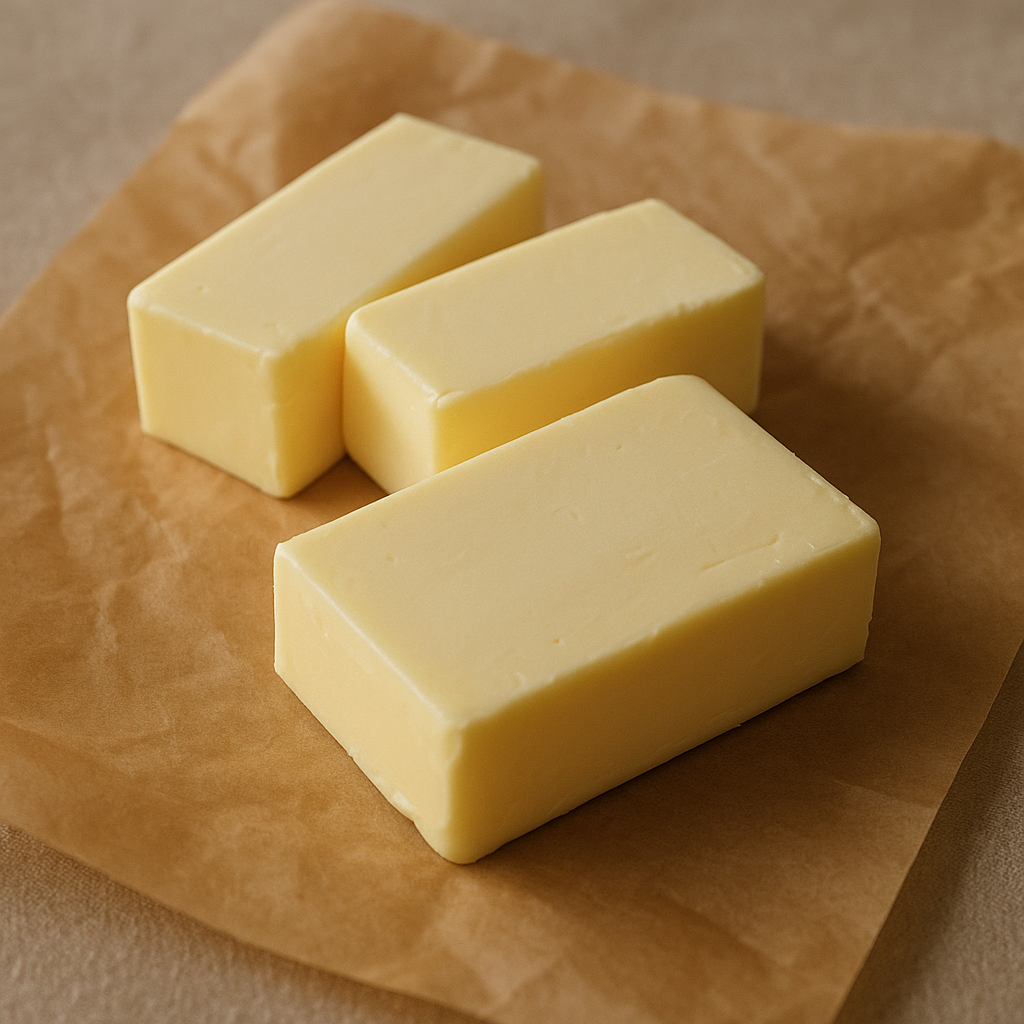
This is a block of unsalted butter made from cream. It is a dairy product that is solid at room temperature but softens and melts when heated. Unsalted butter is a staple in many kitchens because of its versatility and clean flavor profile. It is often used in baking and cooking where precise salt levels are desired. The absence of salt allows the natural sweetness and richness of the butter to come through.
How people cook with it
Butter is a fundamental ingredient for adding richness and flavor to a wide variety of dishes. It can be used to enhance both sweet and savory preparations.
- Baking cakes and cookies
- Sautéing vegetables
- Sauce bases
- Spreading on toast
Unsalted butter can be used in many ways. For baking, it is often creamed with sugar to create a light and airy texture for cakes and cookies. It can also be melted to add moisture and richness to quick breads and muffins. In savory cooking, butter is excellent for sautéing aromatics like onions and garlic, or for creating pan sauces by deglazing with wine or broth. It can also be used to finish dishes, adding a glossy sheen and smooth mouthfeel to vegetables or pasta.
How it differs from similar foods
Unsalted butter differs from salted butter by the absence of added salt. This means you have more control over the saltiness of your final dish. It also tends to have a slightly fresher taste because salt can act as a preservative. Bakers often prefer unsalted butter to better manage the salt content in their recipes.
Who it is for
Home cooks and professional chefs use unsalted butter for its clean flavor and control over seasoning.
How to keep the rest
To store the remaining butter, wrap it tightly in its original packaging or in parchment paper. Keep it in the refrigerator to maintain its firmness and prevent spoilage. For longer storage, butter can be frozen, but it is best to use it within a few months for optimal quality.