
Fred Meyer · 14 g
Fred Meyer Unsalted Butter
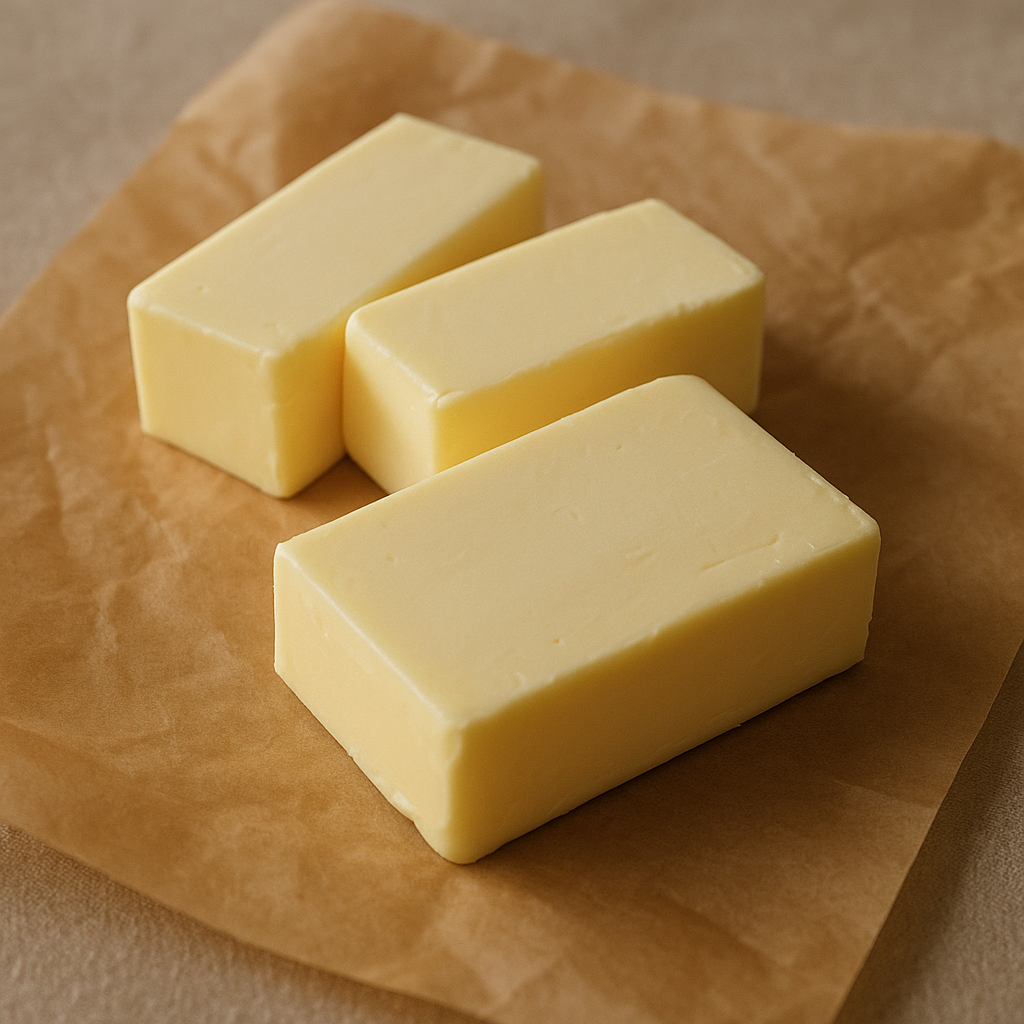
What it is
This is a block of butter made without added salt. Butter is a dairy product made from churning cream or milk. It is a solid fat at room temperature but softens and melts when heated. Unsalted butter allows the cook to control the amount of salt in a dish. It is commonly used in baking and cooking.
How people cook with it
Butter is a versatile ingredient used in both sweet and savory preparations. It adds richness and flavor to many dishes.
- Baking cakes and cookies
- Sautéing vegetables
- Spreading on toast
- Sauces and glazes
Unsalted butter can be used in place of salted butter in most recipes. The primary difference is that you will need to add salt to the recipe separately to achieve the desired flavor profile. When baking, butter is often creamed with sugar to create a light and airy texture. It can also be melted and added to batters or used to grease pans. In savory cooking, it is used to sauté ingredients, build sauces, or finish dishes with a glossy sheen. The fat content contributes to browning and mouthfeel.
How it differs from similar foods
Unsalted butter differs from salted butter by the absence of added salt. This allows for more precise control over the saltiness of a finished product, especially important in delicate baked goods where salt levels can significantly impact flavor and texture. It also has a slightly higher water content than salted butter.
Who it is for
Home cooks and professional chefs use unsalted butter to achieve specific flavor profiles in their culinary creations.
How to keep the rest
After opening, store any remaining unsalted butter tightly wrapped in its original packaging or in an airtight container in the refrigerator. This will help prevent it from absorbing odors from other foods and maintain its freshness for several weeks. For longer storage, butter can be frozen.