
Grocery
Uncooked Cured Boneless Pork
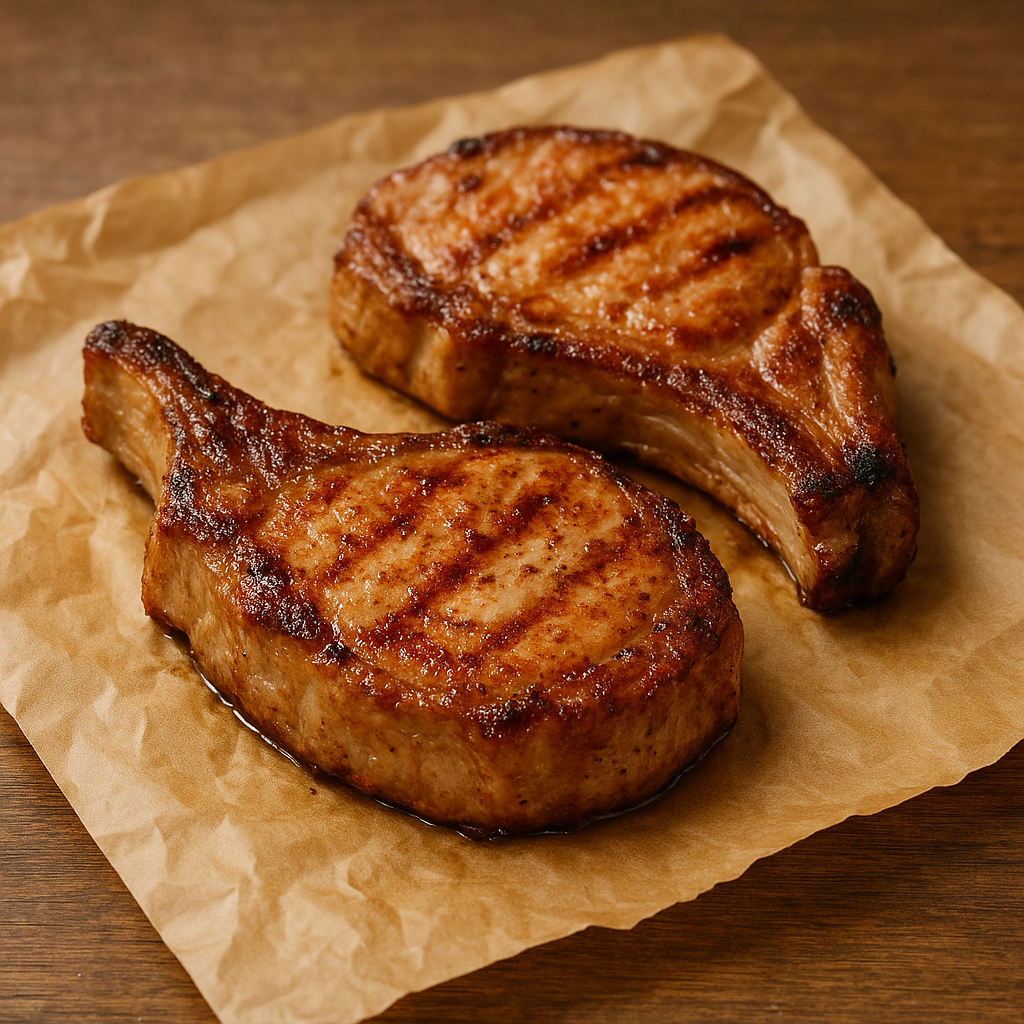
What it is
This is a cut of pork that has been cured, meaning it has been treated with salt and sometimes other preservatives to extend its shelf life and enhance its flavor. The boneless aspect indicates that the bone has been removed, making it easier to prepare and consume. It is typically sold uncooked, requiring thorough cooking before eating. The curing process imparts a distinct savory taste and a slightly firmer texture compared to fresh pork. This product is a versatile ingredient for many meals.
How people cook with it
This uncooked cured boneless pork can be a flavorful addition to a variety of dishes.
- Pan-fried for breakfast
- Diced into stews
- Cubed for casseroles
- Added to pasta sauces
Before cooking, ensure the pork is fully thawed if frozen. Since it is uncooked, it must be cooked thoroughly to an internal temperature that ensures safety. You can pan-fry it until browned and cooked through, or dice it and add it to simmering dishes like soups, stews, or pasta sauces. The curing process means it already has a salty flavor, so you may want to adjust the amount of additional salt you add to your recipes. Cooking times will vary depending on the size and thickness of the pieces.
How it differs from similar foods
Compared to fresh pork, cured boneless pork has a more intense, savory flavor due to the salt and curing agents. Its texture can also be slightly denser. Unlike fully cooked ham or bacon, this product requires cooking before consumption to ensure it is safe to eat and to achieve the desired tenderness.
Who it is for
Home cooks looking for a flavorful and versatile pork option for various meal preparations.
How to keep the rest
To maintain freshness, store any unused portion of the uncooked cured boneless pork in its original packaging or a tightly sealed container. Keep it refrigerated at or below 40°F (4°C). It is best to use it within a few days of opening or before the expiration date indicated on the packaging.