
Grocery
Thick Wheat Noodles
What it is
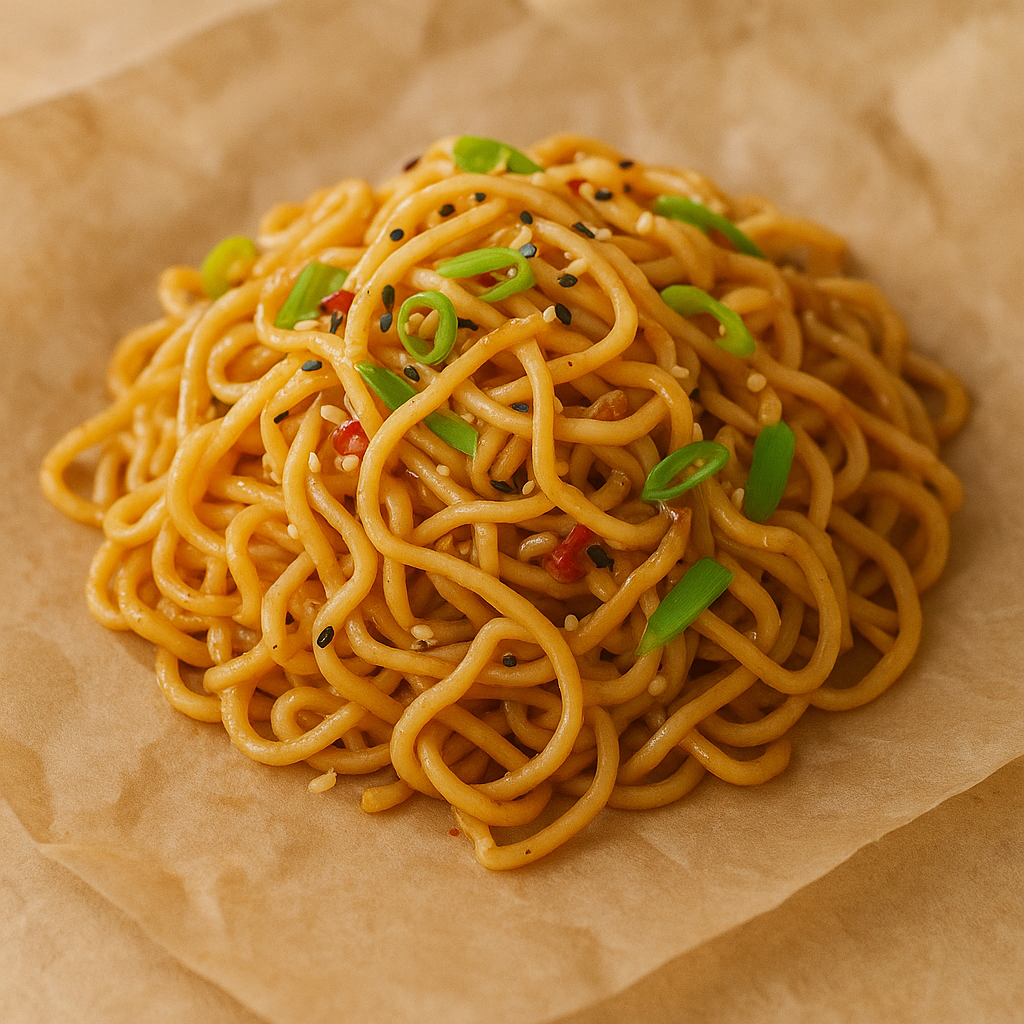
These are thick, chewy noodles made from wheat flour and water. They have a distinct, satisfying texture that holds up well in various dishes. The noodles are typically sold dried or fresh, and their substantial size makes them a hearty base for many meals. They absorb flavors from broths and sauces beautifully, making them a versatile pantry staple for quick and comforting meals.
How people cook with it
Udon noodles are a popular choice for both hot and cold noodle preparations. Their versatility allows them to be incorporated into a wide range of culinary styles.
- In savory broths
- Stir-fried with vegetables
- Served chilled with dipping sauce
- As a base for curries
To prepare dried udon noodles, bring a large pot of water to a rolling boil. Add the noodles and cook according to package directions, usually for about 8-10 minutes, until they are tender but still have a slight chew. Drain them well. For fresh udon, the cooking time is often shorter. Once drained, they can be immediately added to hot soups, stir-fries, or tossed with your favorite sauces and toppings. They are also delicious served cold with a side of soy-based dipping sauce.
How it differs from similar foods
Compared to thinner noodles like ramen or soba, udon noodles are significantly thicker and have a much chewier, more substantial bite. This difference in texture makes them ideal for holding up in heartier broths and absorbing richer sauces without becoming mushy.
Who it is for
Home cooks looking for a satisfying and versatile noodle option will appreciate these.
How to keep the rest
Store dried udon noodles in a cool, dry place, away from direct sunlight. Once opened, ensure the packaging is sealed tightly to maintain freshness. If you have fresh udon noodles, they are best kept refrigerated and used by their expiration date.