
Suzi Wan
Suzi Wan Udon Noodles
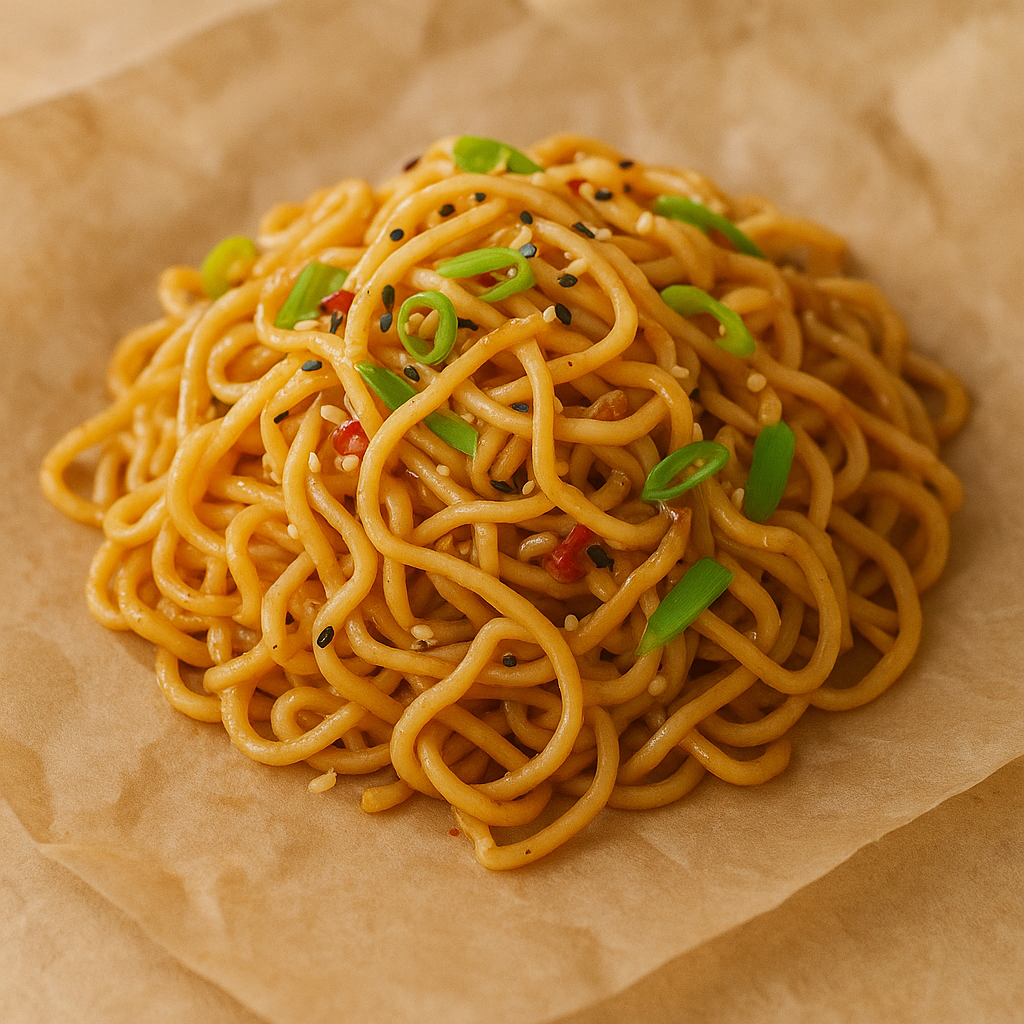
What it is
These are thick, chewy wheat flour noodles, a staple in Japanese cuisine. They are pre-cooked and vacuum-sealed for convenience, retaining their satisfying texture. Udon noodles are known for their substantial bite and ability to absorb the flavors of broths and sauces. They offer a versatile base for a wide range of dishes, from simple noodle soups to more complex stir-fries. Their smooth surface makes them a pleasure to eat.
How people cook with it
Udon noodles are incredibly versatile and can be incorporated into many different types of meals. They are a quick and easy way to add substance to a dish.
- In hot noodle soups
- In cold noodle salads
- As a base for stir-fries
- With dipping sauces
To prepare, simply rinse the noodles under warm water to separate them and remove any starchy residue. You can then add them directly to hot broths or soups, allowing them to heat through for a minute or two. They are also excellent served cold with a flavorful dipping sauce, making them suitable for a variety of culinary applications. Their pre-cooked nature saves significant preparation time.
How it differs from similar foods
Compared to ramen noodles, udon are much thicker and have a softer, chewier texture. Soba noodles, another Japanese noodle, are made from buckwheat and have a distinct nutty flavor and firmer bite, whereas udon are made from wheat flour and are milder.
Who it is for
Home cooks looking for a quick and satisfying noodle option for authentic Japanese-inspired meals.
How to keep the rest
Store unopened packages of udon noodles in a cool, dry place. Once opened, refrigerate any unused noodles and consume them within a few days to maintain their freshness and texture. Ensure the package is sealed tightly after opening.