
Grocery
Thick Wheat Noodles for Japanese Cuisine
What it is
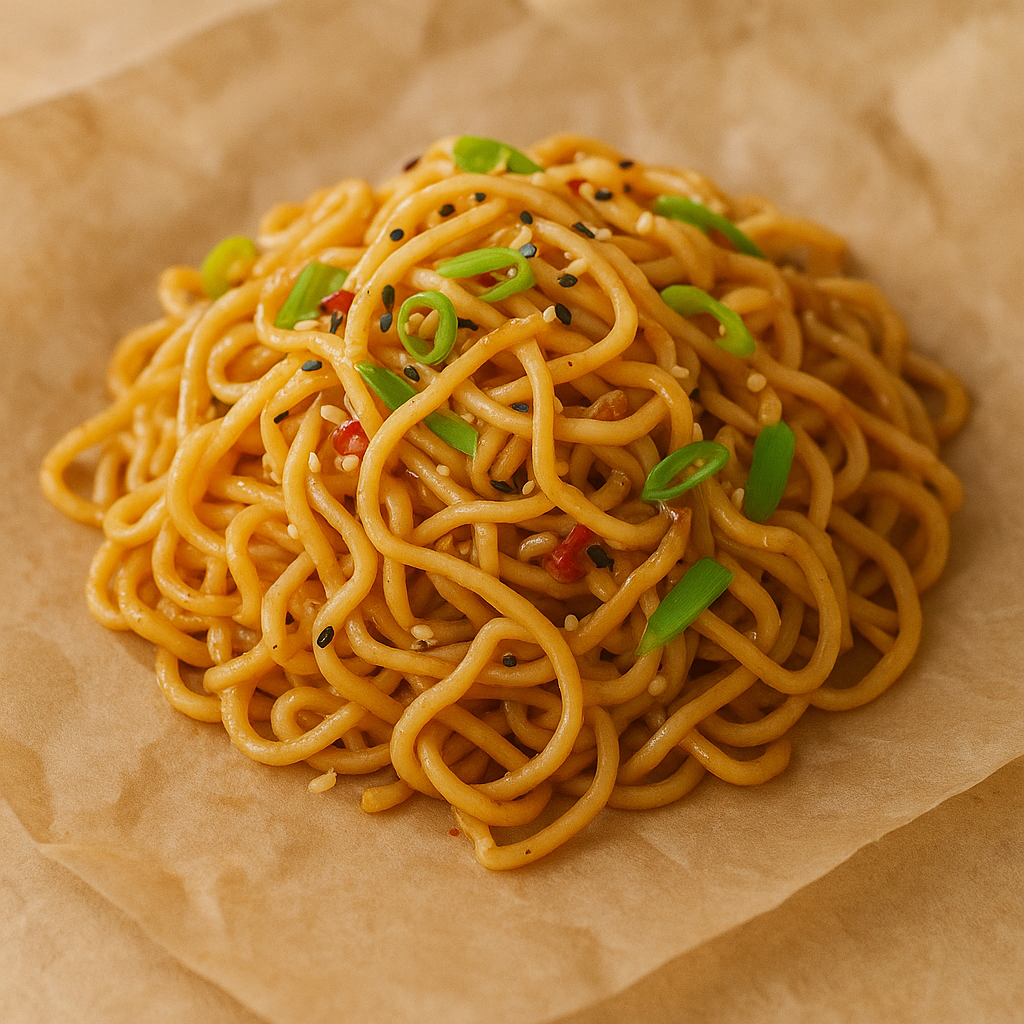
Udon noodles are a type of thick wheat flour noodle used extensively in Japanese cuisine. They are known for their chewy texture and satisfying bite, which makes them a popular choice for a variety of dishes. These noodles are typically made from wheat flour, water, and salt. Their substantial size allows them to absorb broths and sauces well, making them a versatile base for many meals. They are a staple in many Japanese households and restaurants.
How people cook with it
Udon noodles are incredibly versatile and can be enjoyed in both hot and cold preparations. Their mild flavor makes them a perfect canvas for a wide range of ingredients and seasonings.
- In hot noodle soups
- Stir-fried with vegetables
- Served chilled with dipping sauce
- As a base for curry dishes
To prepare udon noodles, bring a large pot of unsalted water to a rolling boil. Add the dried udon noodles and stir gently to prevent them from sticking together. Cook according to package directions, typically for about 8-10 minutes, until the noodles are tender yet still have a pleasant chewiness. Drain the noodles thoroughly in a colander. Rinse them briefly under cold water if you plan to use them in a cold dish or stir-fry to stop the cooking process and prevent clumping. For hot noodle soups, add the drained noodles directly to your hot broth.
How it differs from similar foods
Compared to ramen noodles, udon noodles are significantly thicker and have a softer, chewier texture. They are made from wheat flour, water, and salt, whereas ramen noodles often contain kansui, an alkaline solution that gives them their characteristic springy texture and yellow hue. Udon's substantial size also means it holds up well in heartier broths.
Who it is for
Home cooks and professional chefs preparing Japanese-inspired meals often use udon noodles.
How to keep the rest
Store dried udon noodles in a cool, dry place, away from direct sunlight and moisture. Ensure the package is sealed tightly to maintain freshness. Once the package is opened, it is best to use the noodles within a few weeks. If you have cooked udon noodles, store them in an airtight container in the refrigerator for up to 2 days.