
Grocery
Thick Wheat Noodles
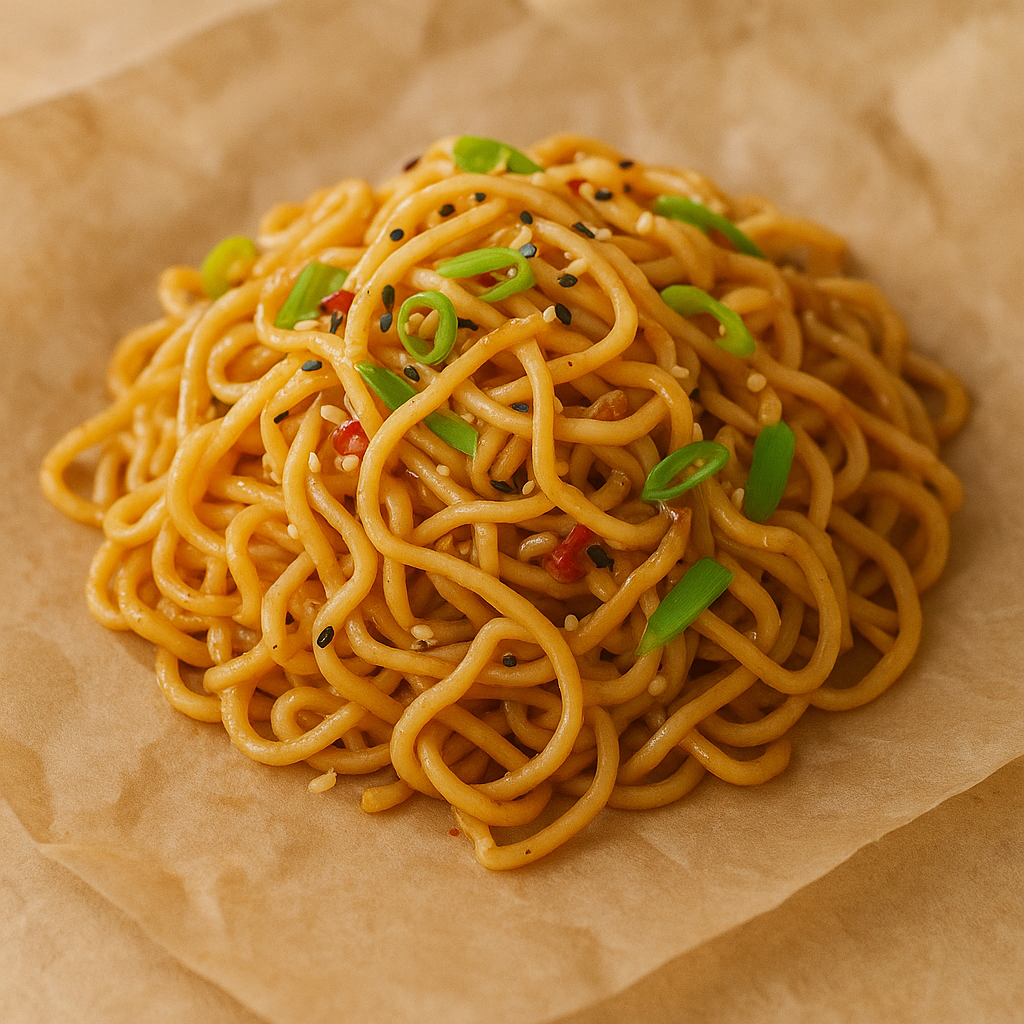
What it is
These are thick, chewy noodles made from wheat flour and water. They are a staple in Japanese cuisine. The noodles are typically white and have a satisfyingly firm texture when cooked. Their substantial size makes them a hearty base for many dishes. They are a versatile pantry item for anyone who enjoys Asian-inspired cooking.
How people cook with it
Udon noodles are wonderfully adaptable and can be enjoyed in a variety of hot and cold preparations.
- In hot brothy soups
- Stir-fried with vegetables
- Served cold with dipping sauce
- As a base for curry dishes
To prepare udon noodles, bring a large pot of unsalted water to a rolling boil. Add the dried udon noodles and stir gently to prevent them from sticking together. Cook for the time indicated on the package, usually around 8-10 minutes, or until the noodles are tender yet still have a slight chew. Drain the noodles thoroughly and rinse them briefly under cold water if you plan to use them in a cold dish or stir-fry. For hot soups, add the drained noodles directly to your simmering broth.
How it differs from similar foods
Compared to ramen noodles, udon are significantly thicker and have a softer, more yielding texture. Soba noodles, on the other hand, are made from buckwheat and have a distinct nutty flavor and a firmer bite. Udon's mild taste and chewy consistency make it a great vehicle for absorbing the flavors of various broths and sauces.
Who it is for
Home cooks looking to create authentic Japanese meals or explore new noodle varieties will find these useful.
How to keep the rest
Store dried udon noodles in a cool, dry place away from direct sunlight. Ensure the packaging is sealed tightly to prevent moisture from getting in. Once opened, it is best to use the noodles within a few weeks for optimal freshness and texture. They do not require refrigeration.