
Grocery
Whole Beef Brisket
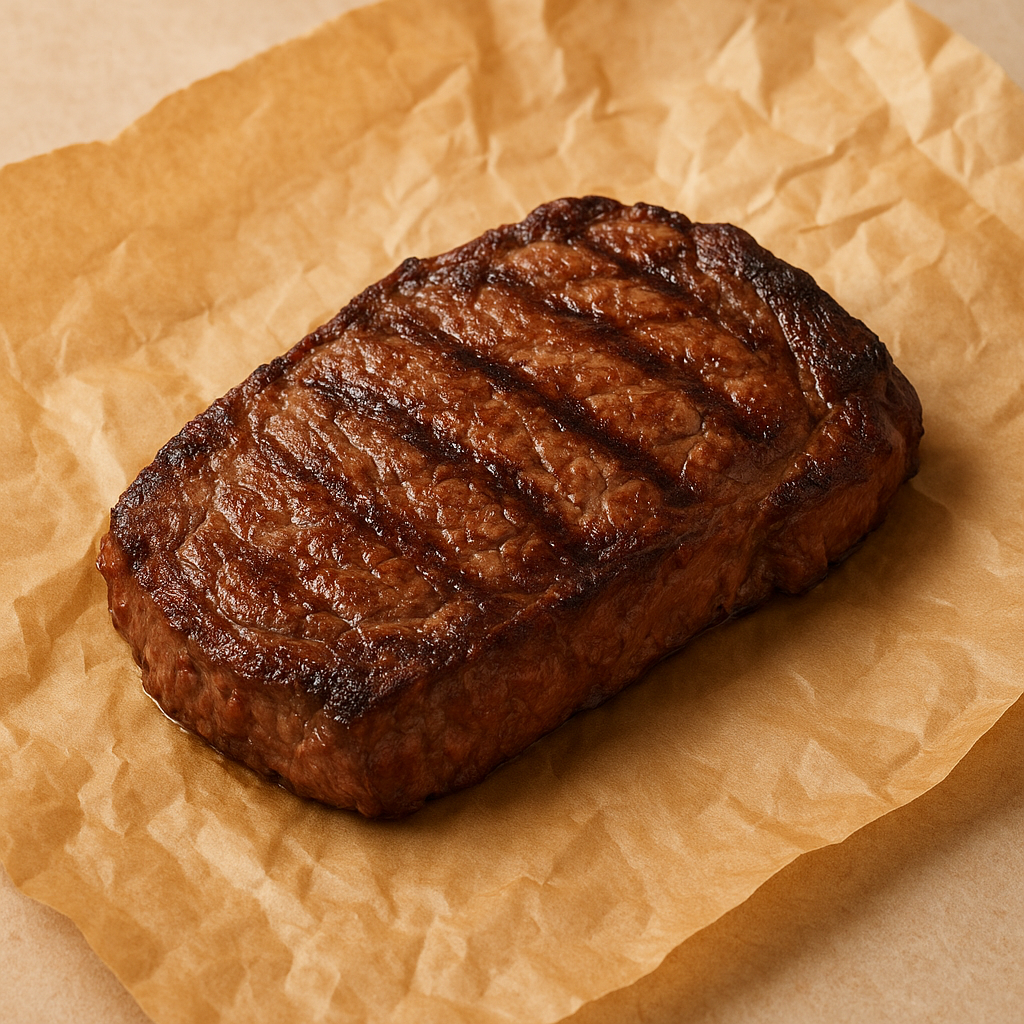
What it is
This is a large cut of beef, typically from the chest or lower breast of cattle. It is known for its rich flavor and connective tissues, which break down during slow cooking to create a tender and succulent result. The brisket is often sold as a whole piece, meaning it includes both the flat and the point cuts, offering a variety of textures and fat content within a single roast. It is a versatile cut that can be prepared in many ways.
How people cook with it
Brisket is a popular choice for slow and low cooking methods. It is often braised, smoked, or slow-cooked in an oven.
- Slow-cooked roasts
- Smoked barbecue
- Corned beef
- Pot roast dinners
To prepare brisket, it is best to cook it slowly at a low temperature for an extended period. This allows the tough connective tissues to break down, resulting in a tender and flavorful meat. Brisket can be seasoned with a dry rub and then smoked for a classic barbecue experience. Alternatively, it can be braised in liquid, such as broth or wine, with aromatics like onions and garlic, for a moist and rich pot roast. For corned beef, the brisket is cured in a brine before cooking.
How it differs from similar foods
Compared to leaner cuts like sirloin, brisket has more fat and connective tissue. This makes it less suitable for quick cooking methods like grilling or pan-searing, but ideal for slow cooking where these elements contribute to moisture and flavor.
Who it is for
Home cooks and barbecue enthusiasts often choose brisket for its satisfying and hearty results.
How to keep the rest
After cooking, allow the brisket to cool completely before refrigerating. Store any leftovers in an airtight container in the refrigerator for up to 3-4 days. For longer storage, wrap tightly in plastic wrap and then foil, and freeze for up to 3 months.