
Grocery
Sparkling Tonic Water
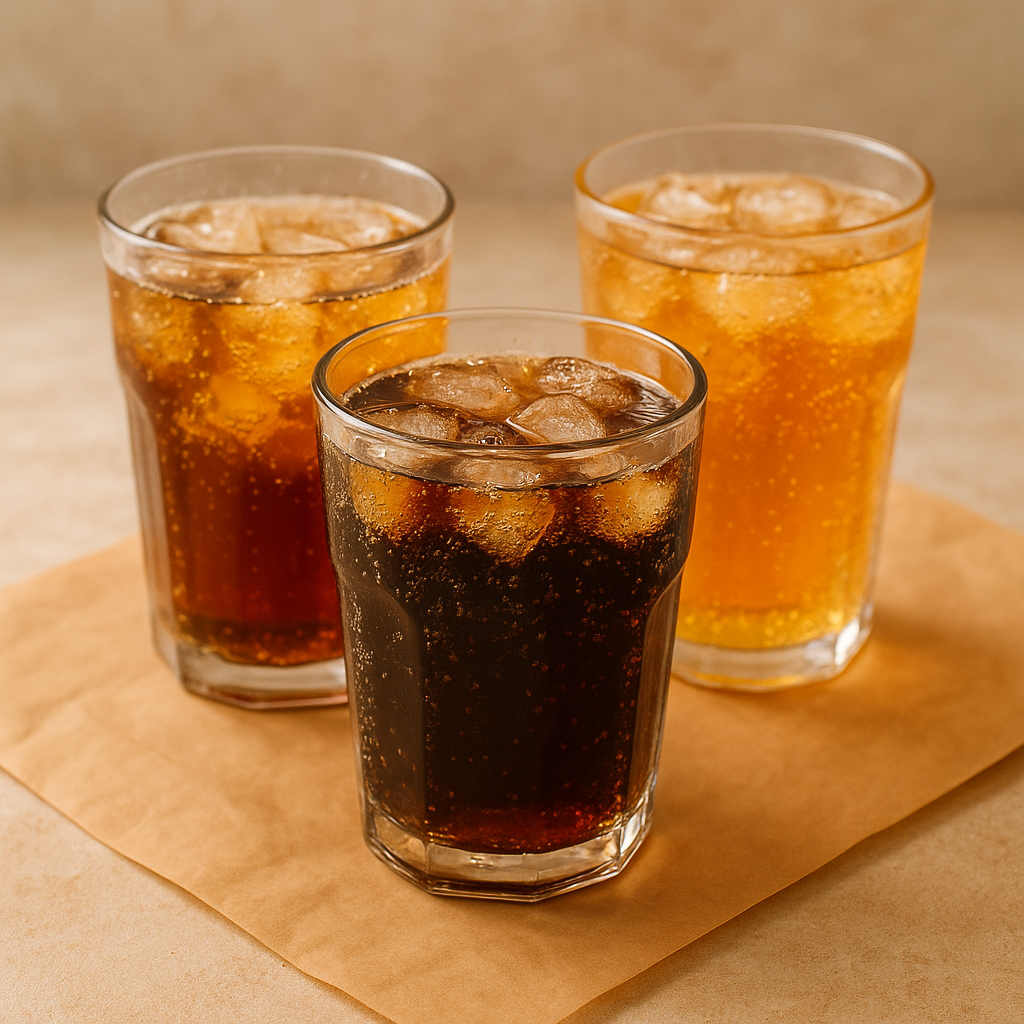
What it is
This is a carbonated beverage that has a distinct bitter flavor. It is typically made with water, sugar, and quinine. Quinine is a natural compound derived from the bark of the cinchona tree, which gives tonic water its characteristic bitterness. The carbonation adds a refreshing effervescence, making it a popular mixer.
How people cook with it
Tonic water is widely recognized for its role in classic cocktails. It also offers a sophisticated non-alcoholic option on its own.
- Mixed with gin
- Paired with vodka
- As a standalone drink
- In mocktails
The primary use for tonic water is as a mixer in alcoholic beverages, most famously with gin to create a gin and tonic. It can also be combined with other spirits like vodka or rum. For a non-alcoholic option, it can be enjoyed chilled on its own, perhaps with a slice of citrus. It adds a complex, slightly bitter, and effervescent element to drinks, balancing sweetness and enhancing other flavors. Its fizziness makes it a refreshing choice, especially in warmer weather or as an aperitif.
How it differs from similar foods
Compared to plain seltzer or club soda, tonic water contains added sweeteners and quinine, which contribute to its signature bitter taste. This bitterness is what sets it apart and makes it a unique component in mixed drinks, offering a flavor profile that plain carbonated water does not possess.
Who it is for
Home bartenders and beverage enthusiasts often keep tonic water on hand for mixing drinks.
How to keep the rest
After opening, any remaining tonic water should be tightly sealed and refrigerated. The carbonation will dissipate over time, so it is best consumed within a few days for optimal fizz and flavor. Store unopened bottles in a cool, dry place away from direct sunlight.