
Grocery
Refreshing Tonic Water
What it is
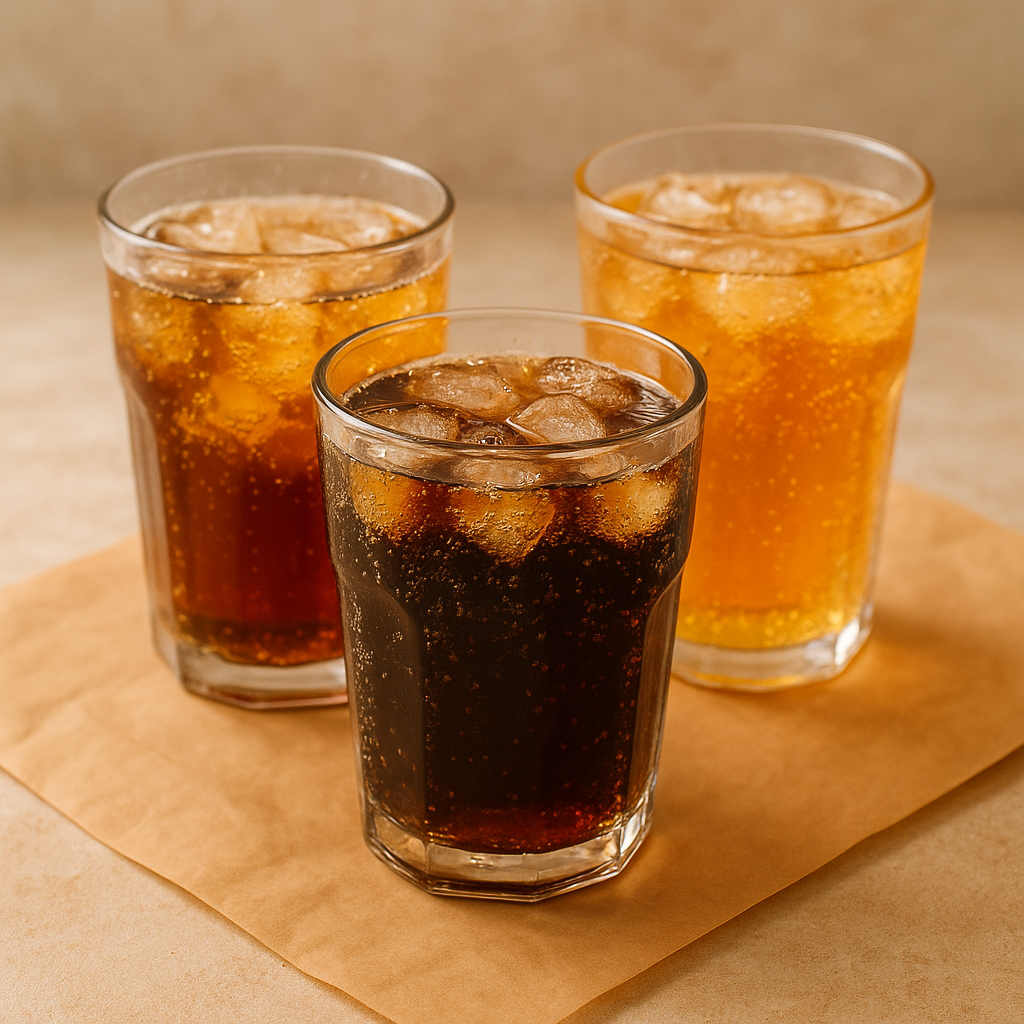
This tonic water is a carbonated beverage with a distinct bitter flavor, primarily derived from quinine. It is typically clear and effervescent, offering a crisp and slightly medicinal taste. The quinine content is what gives tonic water its characteristic bitterness, a quality that has made it a popular mixer for decades. It is often enjoyed on its own for its unique flavor profile or as a base for various drinks.
How people cook with it
Tonic water is a versatile ingredient in the kitchen and behind the bar. Its unique flavor profile makes it suitable for both alcoholic and non-alcoholic beverages.
- As a mixer for gin and vodka
- In mocktails and non-alcoholic drinks
- To add a bitter note to cocktails
- Served chilled on its own
When using tonic water as a mixer, it is best to add it just before serving to maintain its carbonation and effervescence. Pour your spirit of choice into a glass filled with ice, then top with tonic water. A squeeze of citrus, such as lime or lemon, is a common and complementary garnish. For non-alcoholic options, tonic water can be mixed with fruit juices or syrups to create refreshing beverages. Its bitterness can also be used to balance overly sweet drinks.
How it differs from similar foods
Compared to plain sparkling water, tonic water contains added sugar and quinine, which contribute to its sweetness and characteristic bitterness.
Who it is for
Home bartenders and beverage enthusiasts often keep tonic water on hand for creating a variety of drinks.
How to keep the rest
To preserve its carbonation and flavor, store unopened bottles or cans of tonic water in a cool, dark place. Once opened, refrigerate any remaining tonic water and consume it within a few days to enjoy its best quality and effervescence.