
Grocery
Sparkling Tonic Water
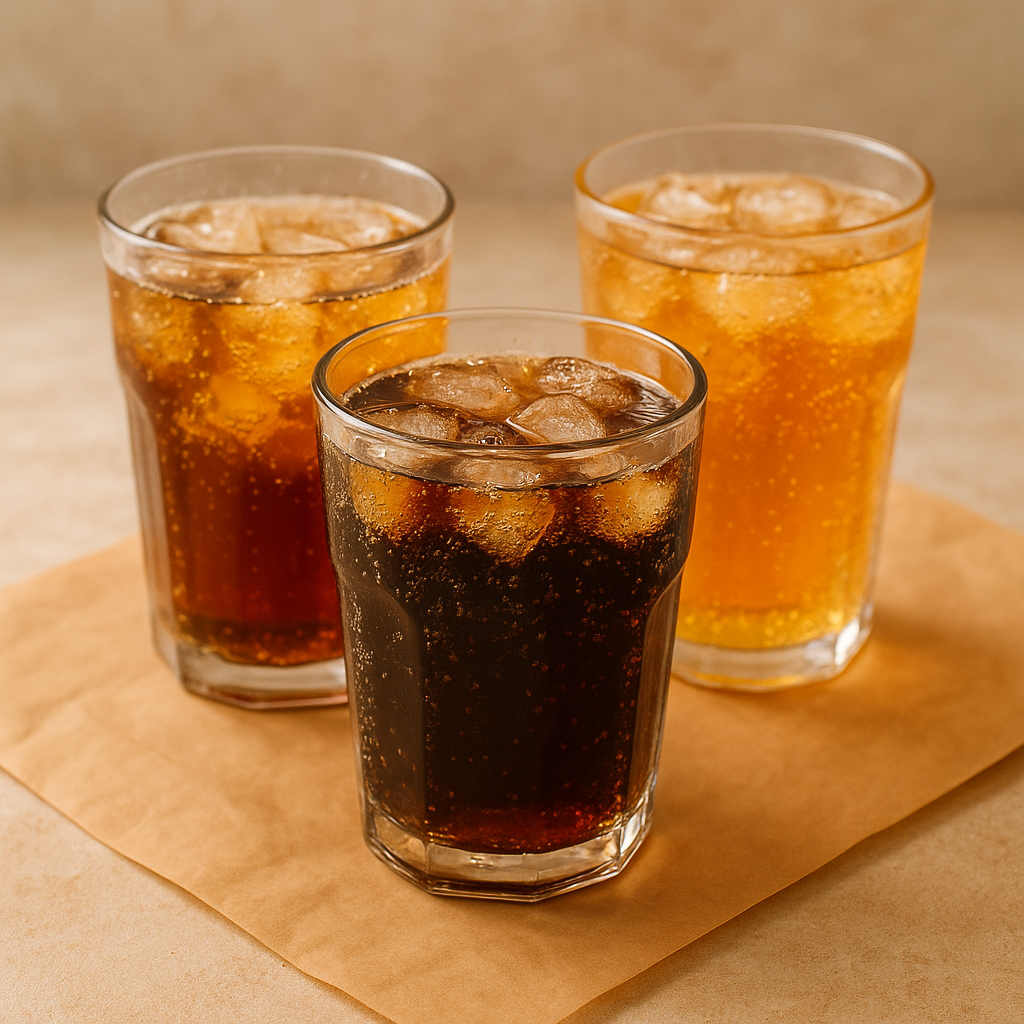
What it is
This is a carbonated beverage that is typically clear and has a slightly bitter taste. It is made with water, sugar or sweetener, and quinine. Quinine is a compound derived from the bark of the cinchona tree and is responsible for the characteristic bitterness. The carbonation adds a refreshing effervescence, making it a popular mixer for various drinks.
How people cook with it
Tonic water is a versatile ingredient found in many kitchens. It is most commonly used as a mixer for alcoholic beverages, but it also has other culinary applications.
- Mixer for gin and vodka
- Base for non-alcoholic mocktails
- Flavoring for baked goods
- Refreshing standalone drink
The primary use of tonic water is as a mixer. Its bitter and slightly sweet profile complements the flavors of spirits like gin and vodka, creating classic cocktails such as the Gin and Tonic. It can also be used to create refreshing mocktails by combining it with fruit juices or other flavored syrups. In baking, a small amount can add a subtle complexity to cakes or bread. For a simple refreshment, it can be enjoyed chilled on its own, perhaps with a slice of citrus.
How it differs from similar foods
Compared to plain club soda or seltzer water, tonic water contains quinine, which gives it a distinct bitter flavor. It also typically includes sugar or a sweetener, making it sweeter than unflavored carbonated waters. This combination of bitterness and sweetness sets it apart and makes it ideal for specific cocktail pairings.
Who it is for
Home cooks and beverage enthusiasts often keep tonic water on hand for entertaining and personal enjoyment.
How to keep the rest
After opening, store any remaining tonic water in a tightly sealed bottle or container in the refrigerator. This will help preserve its carbonation and flavor. It is best consumed within a few days of opening to maintain its effervescence.