
Food Lion
Food Lion Tilapia Boneless Fillets
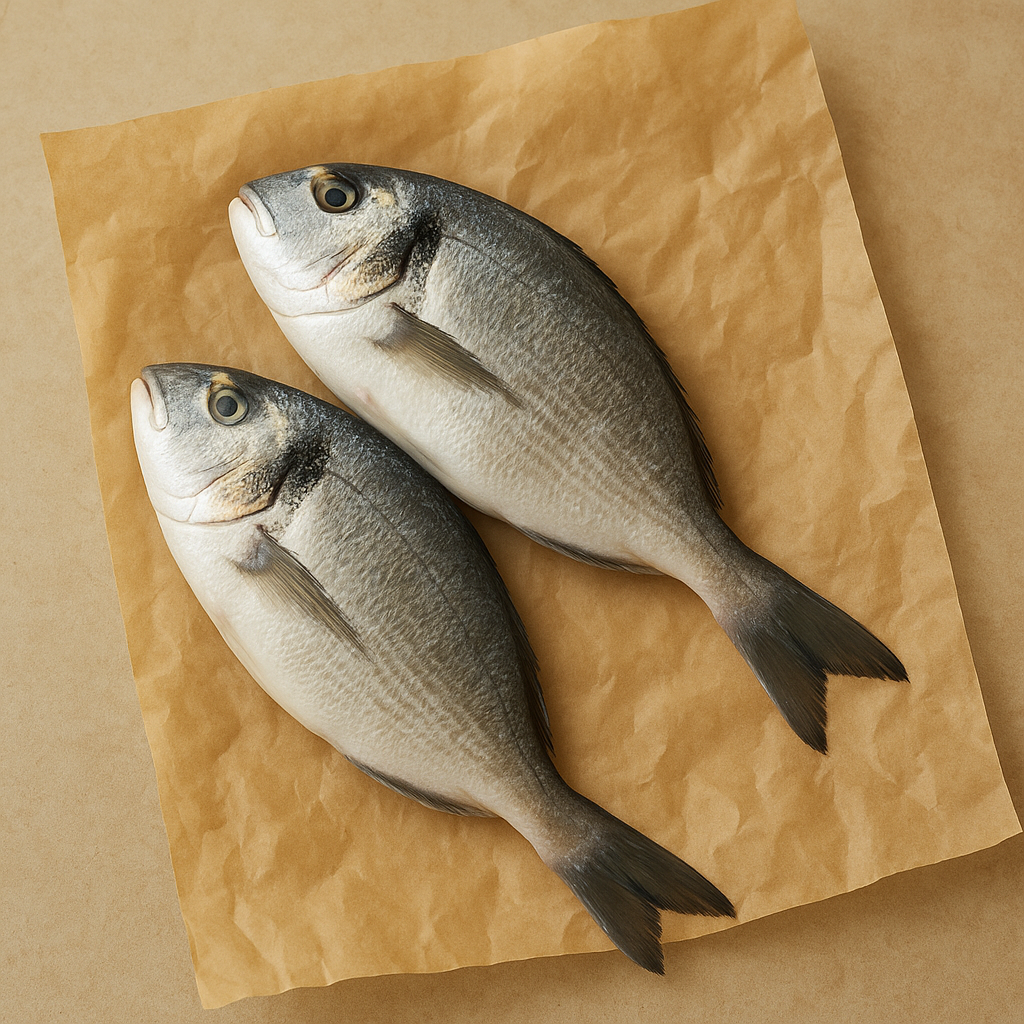
What it is
These are boneless, skinless fillets of tilapia, a mild white fish. They are typically sold frozen to preserve freshness. The fillets are individually portioned, making them convenient for single meals or smaller households. Tilapia is known for its delicate texture and subtle flavor, which makes it a versatile ingredient in many dishes. The fish is processed and packaged to ensure quality and ease of use for home cooks.
How people cook with it
Tilapia fillets are a popular choice for a quick and healthy weeknight meal. Their mild taste pairs well with a wide variety of seasonings and cooking methods.
- Pan-seared with lemon
- Baked with herbs
- Used in fish tacos
- Added to stews
To prepare these frozen tilapia fillets, first thaw them properly. You can do this by placing them in the refrigerator overnight or by using the defrost setting on your microwave. Once thawed, pat the fillets dry with paper towels. This step is crucial for achieving a good sear if you are pan-frying. You can then season them with salt, pepper, and your favorite spices. Tilapia cooks quickly, so be careful not to overcook it, which can make the fish dry and tough. Aim for an internal temperature of 145°F (63°C).
How it differs from similar foods
Compared to firmer, oilier fish like salmon or mackerel, tilapia has a much milder flavor and a more delicate, flaky texture. This makes it less likely to overpower other ingredients in a dish. Its white flesh also means it doesn't impart a strong color to sauces or preparations.
Who it is for
Home cooks looking for a quick-cooking, mild white fish option.
How to keep the rest
After thawing, keep any unused portions of the tilapia fillets refrigerated. It is best to consume them within one to two days of thawing. If the fillets are still frozen, store them in the freezer until ready to use. Ensure the packaging remains sealed to prevent freezer burn.