
Grocery
Thin Cakes for Everyday Meals
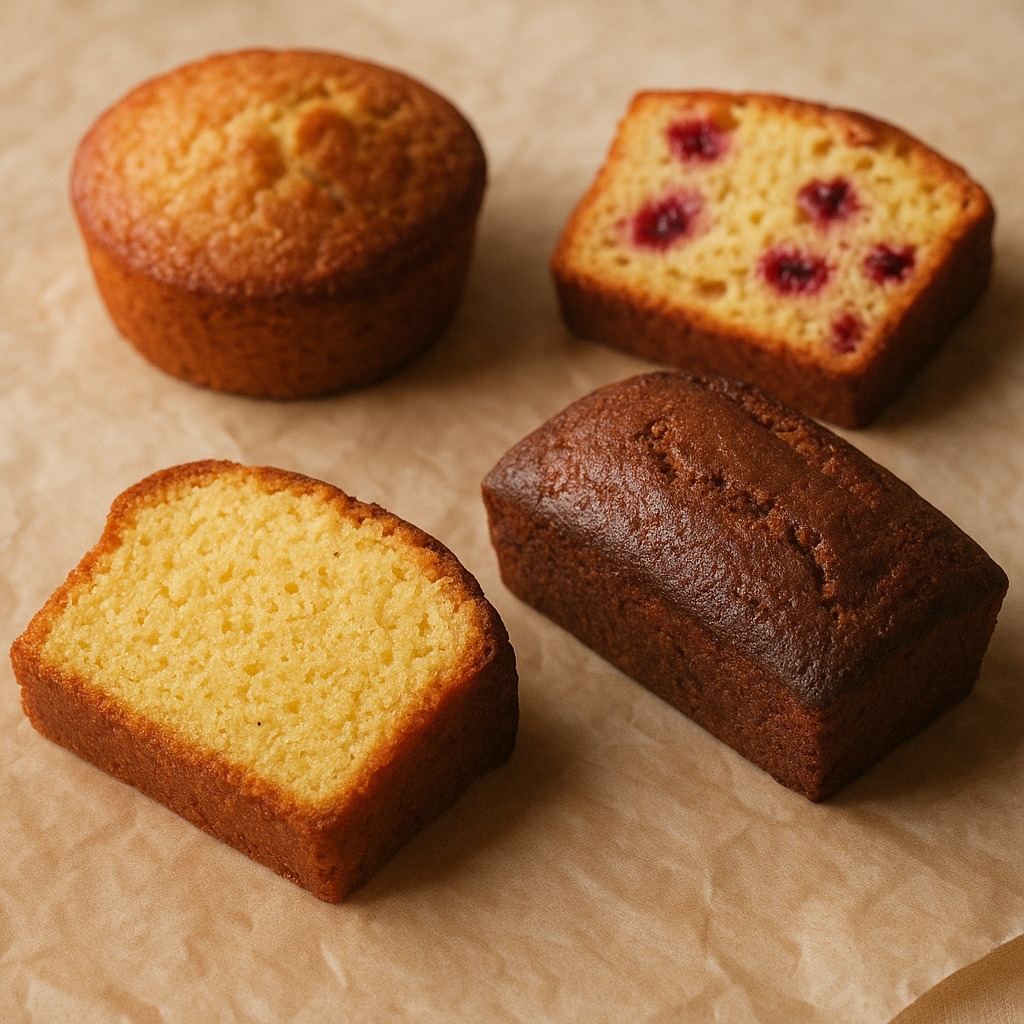
What it is
These are thin, unleavened flatbreads, typically round and baked until lightly browned. They are made from a simple dough, often consisting of flour, water, and a little salt. Their thinness makes them versatile for various culinary applications, absorbing flavors well without overpowering other ingredients. They offer a subtle, neutral base for a wide range of toppings and fillings.
How people cook with it
Thin cakes are a staple in many kitchens, used as a base for quick meals or as an accompaniment to other dishes.
- Wrap for fillings
- Base for appetizers
- Side for dips
- Quick snack
To prepare thin cakes, you can gently warm them before serving. This can be done by heating them briefly in a dry skillet over medium heat for about 30 seconds per side, or by wrapping them in a damp paper towel and microwaving for a few seconds. Warming makes them more pliable and enhances their texture, making them ideal for folding or rolling. They are excellent when served alongside stews, curries, or as a vehicle for various dips and spreads.
How it differs from similar foods
Compared to thicker breads or tortillas, thin cakes are significantly lighter and have a more delicate texture. Their minimal leavening means they do not puff up when cooked, resulting in a flat, pliable surface. This characteristic makes them less doughy and better suited for absorbing sauces and marinades.
Who it is for
Home cooks looking for a simple and adaptable bread option will find these useful.
How to keep the rest
To keep any unused thin cakes fresh, ensure they are stored in an airtight container or resealable bag at room temperature. This prevents them from drying out. They can also be refrigerated for longer storage, though they may become slightly firmer. Bringing them back to room temperature before use is recommended.