
Grocery
Fragrant Thai Jasmine Rice
What it is
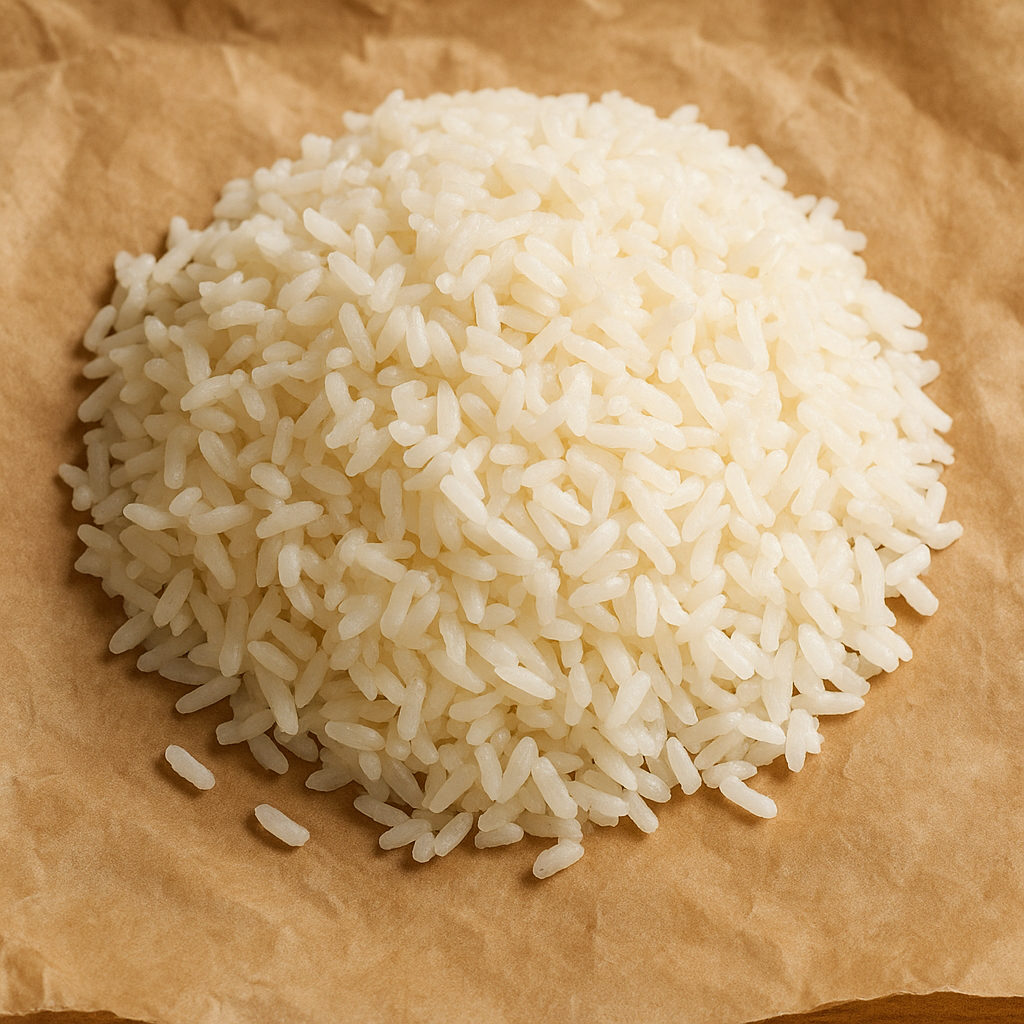
This is a type of long-grain white rice originating from Thailand. It is known for its distinct aroma, often described as floral or pandan-like, which is released during and after cooking. The grains are typically slender and become fluffy and separate when cooked, rather than sticky or clumpy. It is a staple grain in many Asian cuisines, prized for its delicate flavor and pleasing texture.
How people cook with it
Jasmine rice is a versatile grain that serves as a perfect base for a wide variety of dishes. Its subtle fragrance complements both simple and complex flavors.
- As a side dish for curries
- With stir-fried vegetables
- To accompany grilled meats
- In rice bowls
To cook, rinse the rice under cold water until the water runs clear to remove excess starch. A common ratio is one part rice to 1.5 parts water, though this can vary slightly by brand and preference. Bring the water and rice to a boil in a saucepan, then reduce the heat to low, cover tightly, and simmer for about 15-20 minutes, or until all the water is absorbed. Let it steam, covered, for another 5-10 minutes off the heat before fluffing with a fork.
How it differs from similar foods
Compared to other rice varieties like basmati, jasmine rice has a softer texture and a more pronounced floral aroma. While basmati is known for its nutty flavor and very distinct, separate grains, jasmine rice offers a more tender bite and a fragrant scent that is central to its appeal.
Who it is for
Home cooks and professional chefs who appreciate aromatic grains for everyday meals and special occasions.
How to keep the rest
Store uncooked jasmine rice in a cool, dry place in an airtight container to maintain its freshness and prevent moisture absorption. Properly stored, it can last for a long time, though its aroma is most potent when fresh. Once cooked, refrigerate any leftovers promptly.