
Buffalo
Buffalo Brand Thai Jasmine Rice
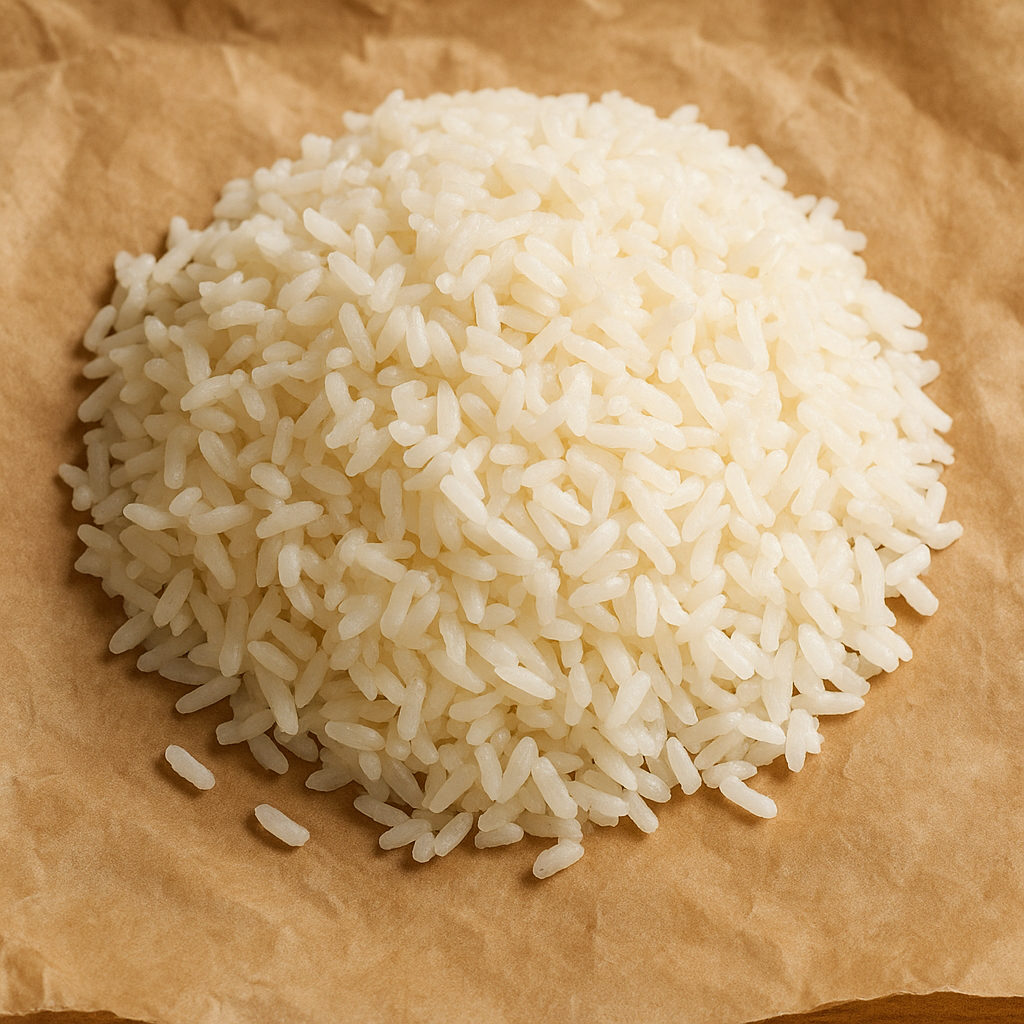
What it is
This is a long-grain aromatic rice originating from Thailand. It is known for its distinct floral scent, often described as similar to pandan leaves. When cooked, the grains are tender, slightly sticky, and have a pleasant chewiness. It is a staple in many Asian cuisines and is prized for its delicate flavor and texture, making it a versatile accompaniment to a wide range of dishes.
How people cook with it
Jasmine rice is a fundamental ingredient in countless culinary traditions. It serves as a perfect base for absorbing the flavors of sauces and curries.
- Side dish for curries
- Base for stir-fries
- Ingredient in fried rice
- Accompaniment to grilled meats
To cook, rinse the rice thoroughly under cold water until the water runs clear. This removes excess starch, preventing the grains from becoming too gummy. Combine the rinsed rice with the appropriate amount of water in a saucepan. Bring to a boil, then reduce heat to low, cover tightly, and simmer until all the water is absorbed. Let it steam, covered, for about 10 minutes off the heat before fluffing with a fork. The water-to-rice ratio is crucial for achieving the desired texture.
How it differs from similar foods
Compared to basmati rice, jasmine rice is typically softer and stickier when cooked. Basmati grains tend to be more separate and fluffy. The aroma of jasmine rice is also more pronounced and floral, while basmati has a nuttier fragrance.
Who it is for
Home cooks and professional chefs alike use jasmine rice for its appealing aroma and texture.
How to keep the rest
Store uncooked jasmine rice in an airtight container in a cool, dry place away from direct sunlight and strong odors. Properly stored, it can maintain its quality for many months. Once cooked, refrigerate any leftovers promptly.