
Grocery
Fragrant Jasmine Rice
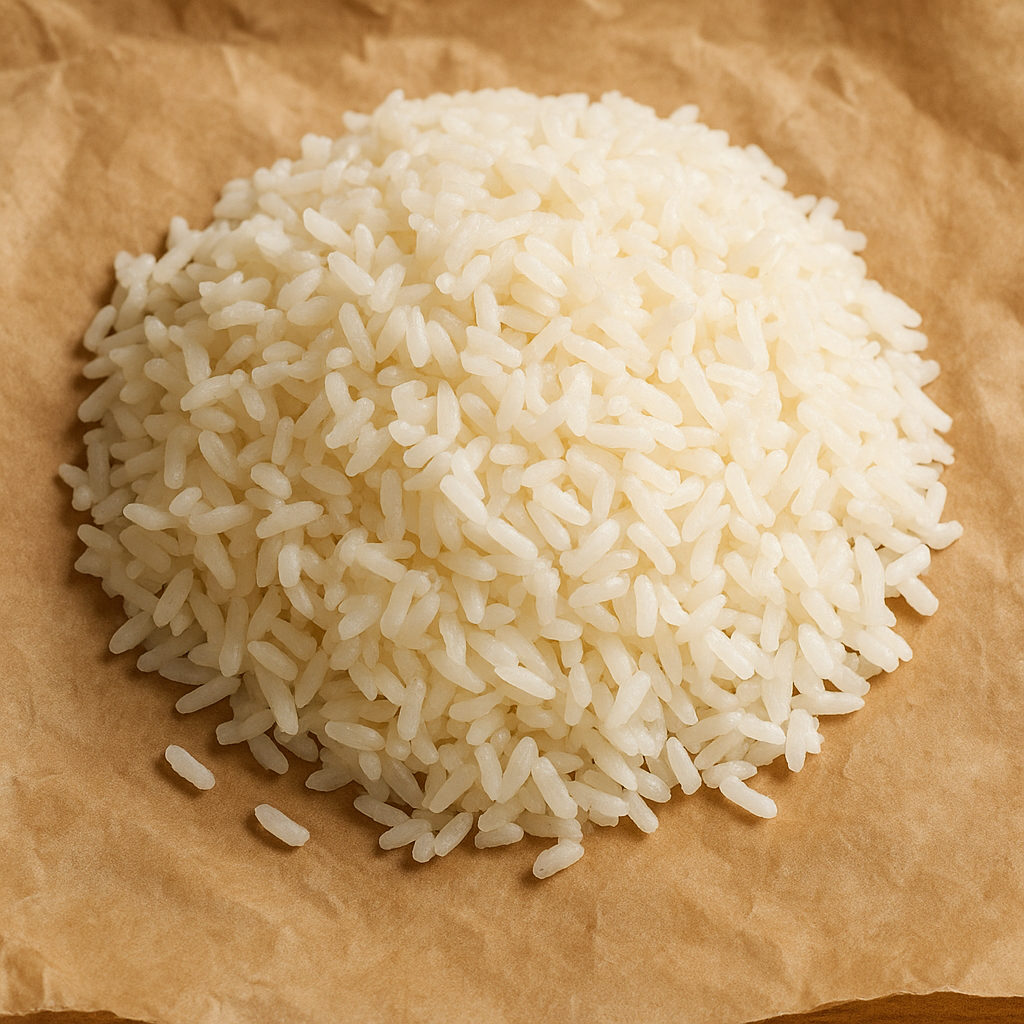
What it is
This is a long-grain white rice variety originating from Thailand. It is known for its distinct aroma, often described as floral or popcorn-like, which is released during cooking. The grains are slender and become tender and slightly sticky when cooked, making it a versatile staple for many meals. It is a popular choice for those who appreciate a fragrant and subtly sweet rice.
How people cook with it
Jasmine rice is a fundamental ingredient in many Asian cuisines, serving as a perfect base for a wide array of dishes. Its delicate flavor complements both simple and complex preparations.
- Side dish for curries
- Base for stir-fries
- Accompaniment to grilled meats
- Ingredient in rice pudding
To cook, rinse the rice under cold water until the water runs clear to remove excess starch. Combine the rinsed rice with water in a pot, typically a 1:1.5 or 1:2 ratio of rice to water, depending on desired tenderness. Bring to a boil, then reduce heat to low, cover, and simmer for about 15-20 minutes, or until the water is absorbed and the rice is tender. Let it steam, covered, for an additional 5-10 minutes off the heat before fluffing with a fork.
How it differs from similar foods
Compared to basmati rice, jasmine rice tends to be slightly softer and more cohesive when cooked, with a more pronounced floral aroma. It is less fluffy and separate than basmati, offering a tender, slightly chewy texture that absorbs sauces well.
Who it is for
Home cooks and professional chefs preparing Asian-inspired meals will find this rice to be a valuable pantry staple.
How to keep the rest
Store uncooked rice in a cool, dry place in an airtight container to maintain freshness and prevent moisture absorption. Once cooked, refrigerate any leftovers promptly and consume within a few days. Avoid storing cooked rice at room temperature for extended periods.