
Grocery
Cured Ham Shank
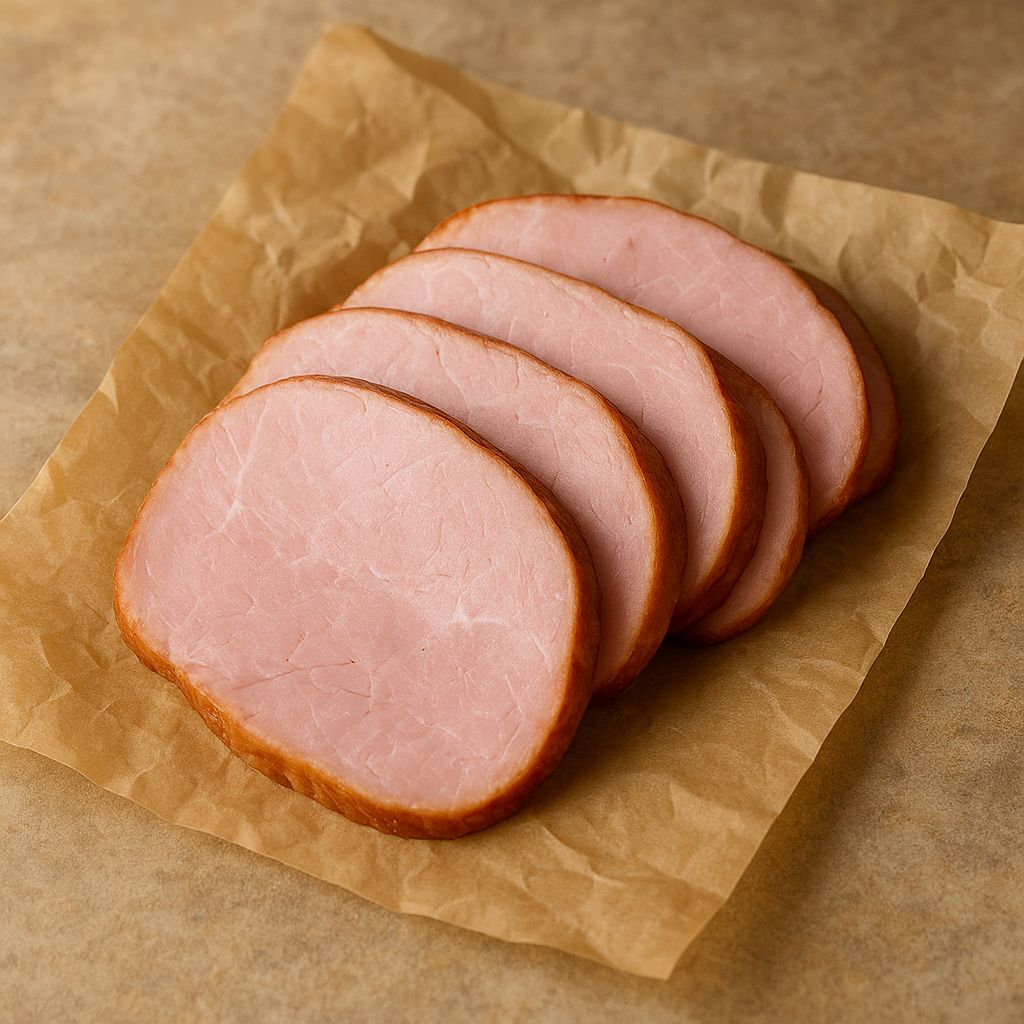
What it is
This is a cured ham shank, a cut of pork that includes the bone and surrounding meat. It has been preserved through a curing process, which typically involves salt and sometimes other seasonings. The curing gives the ham its distinctive flavor and texture. It is a substantial piece of meat, often sold with the skin on.
How people cook with it
A ham shank can be a flavorful centerpiece for a meal. It is often braised or roasted to tenderize the meat and develop its rich taste.
- Roast for a holiday meal
- Braise in liquid for tender results
- Add to soups and stews
- Serve sliced with side dishes
To prepare a ham shank, you can begin by scoring the skin if it is present. Many recipes suggest simmering or braising the shank in a flavorful liquid, such as water, broth, or even cider, for several hours until the meat is tender and easily pulls away from the bone. This slow cooking method allows the flavors to meld and the meat to become succulent. You can also roast the shank, often basting it with glazes made from honey, mustard, or brown sugar towards the end of cooking to create a delicious crust.
How it differs from similar foods
Unlike pre-sliced ham, a ham shank is a whole cut that requires longer cooking. Its bone adds depth of flavor during braising or roasting. The curing process distinguishes it from fresh pork, providing a saltier, more intense pork flavor.
Who it is for
Home cooks looking for a traditional and flavorful pork dish often choose a ham shank.
How to keep the rest
After cooking, allow any leftover ham shank to cool completely before refrigerating. Store it tightly wrapped in plastic wrap or in an airtight container. It is best consumed within three to four days. You can also freeze cooked ham shank for longer storage.