
Grocery
Swiss Cheese
What it is
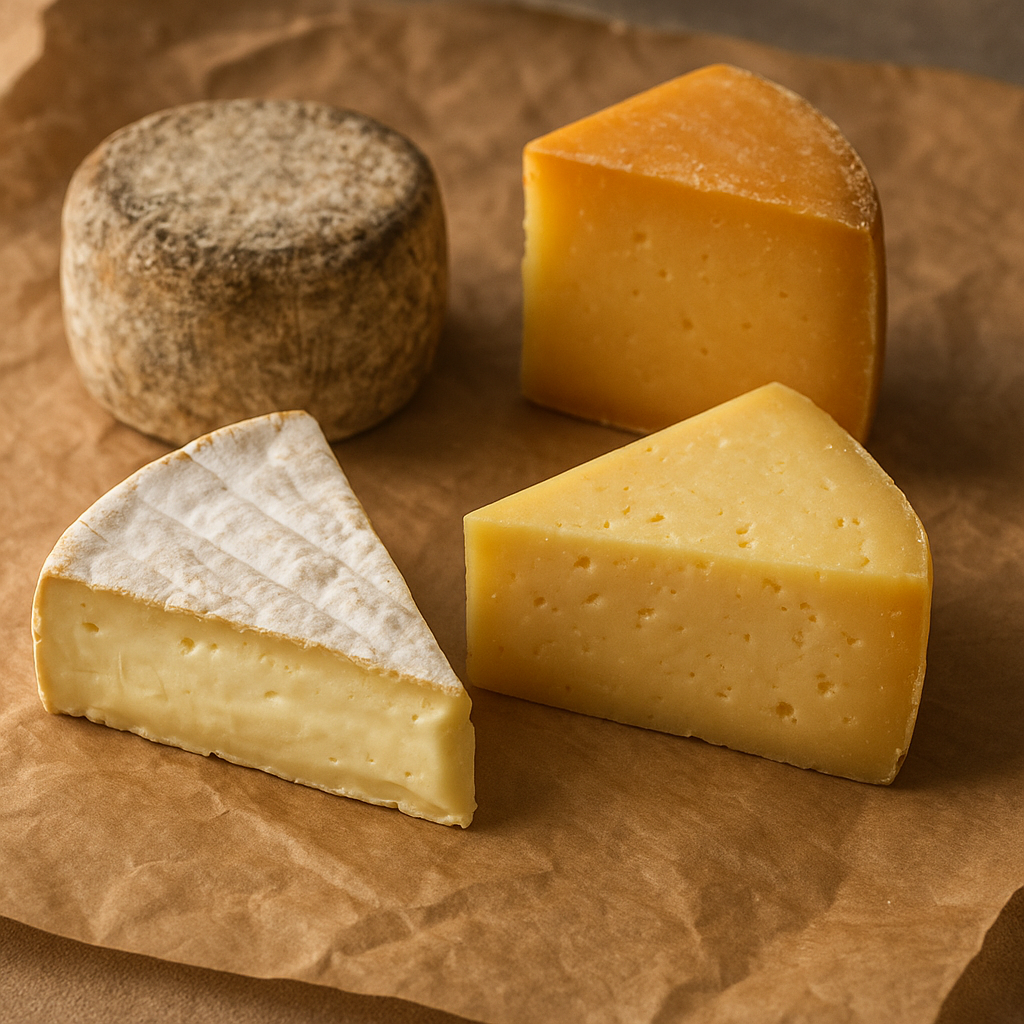
This is a semi-hard cheese that originated in Switzerland. It is known for its distinctive holes, which are a result of the fermentation process. The cheese is typically made from cow's milk and has a mild, nutty flavor. It melts well, making it a versatile ingredient in many dishes. The texture is firm yet pliable, and it ages to develop a more pronounced taste.
How people cook with it
Swiss cheese is a popular choice for both everyday cooking and more elaborate meals. Its unique flavor profile complements a wide range of ingredients.
- Sandwich topping
- Fondue base
- Gratin ingredient
- Snack cheese
When preparing sandwiches, slices of Swiss cheese add a savory depth. It melts beautifully into sauces and casseroles, creating a creamy texture. For fondue, it combines well with other cheeses to form a smooth, dippable mixture. It can also be cubed and served as part of a cheese board or enjoyed on its own as a snack. Its mildness means it doesn't overpower other flavors in a dish.
How it differs from similar foods
Compared to cheddar, Swiss cheese has a milder, sweeter, and nuttier flavor profile. The characteristic holes, or 'eyes,' are a visual distinction not found in most other cheeses. Its texture is generally softer and more elastic than aged cheddars.
Who it is for
Home cooks and professional chefs alike use Swiss cheese for its flavor and melting properties.
How to keep the rest
To keep leftover Swiss cheese fresh, wrap it tightly in plastic wrap or place it in an airtight container. Store it in the refrigerator. This helps prevent it from drying out and absorbing other odors from the fridge. It can be stored for several weeks.