
Grocery
Swiss Cheese Slices
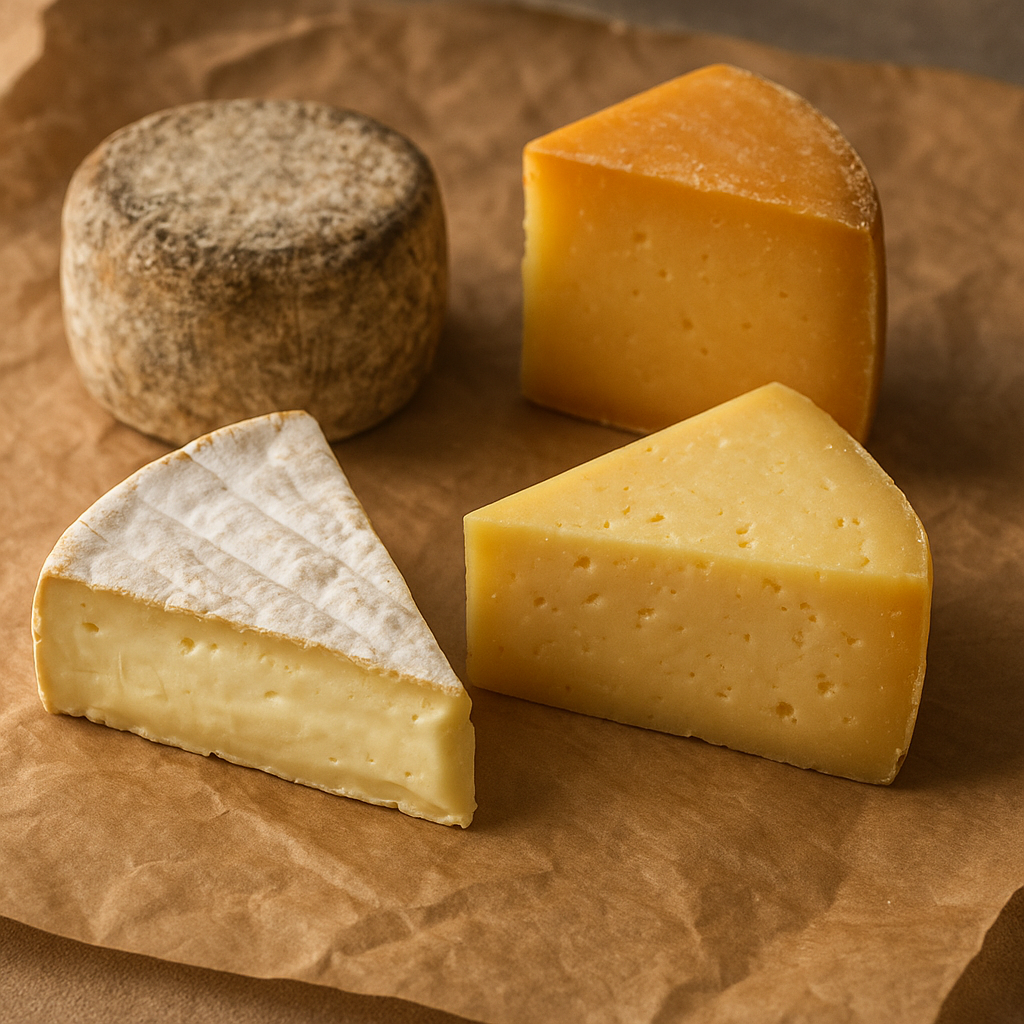
What it is
This is a type of semi-hard cheese that originated in Switzerland. It is known for its distinctive holes, often called 'eyes,' which are formed during the fermentation process. The cheese has a mild, nutty, and slightly sweet flavor. It is typically made from cow's milk and aged for several months. The texture is firm yet pliable, making it versatile for various culinary applications. It is a popular choice for sandwiches and cheese boards.
How people cook with it
Swiss cheese is a staple in many kitchens, prized for its meltability and distinct taste.
- Sandwich filler
- Melting into sauces
- Cheese platters
- Baked dishes
Swiss cheese can be enjoyed on its own or incorporated into a wide range of dishes. It melts beautifully, making it ideal for grilled cheese sandwiches, fondue, or as a topping for casseroles and gratins. Its mild flavor complements many ingredients, so it can be paired with fruits, nuts, and cured meats. For a simple snack, serve it with crackers or bread. It also adds a pleasant depth to quiches and omelets. When cooking, consider its melting properties to achieve a smooth, creamy consistency.
How it differs from similar foods
Unlike cheddar, which can be sharp and crumbly, Swiss cheese offers a milder, nuttier profile with a smoother texture. The characteristic holes are a visual and textural difference, setting it apart from cheeses like mozzarella or provolone, which lack these distinctive features.
Who it is for
Home cooks and professional chefs alike appreciate Swiss cheese for its versatility and classic flavor.
How to keep the rest
To keep leftover Swiss cheese fresh, wrap it tightly in plastic wrap or place it in an airtight container. Store it in the refrigerator. It is best consumed within a few weeks of opening to maintain its optimal flavor and texture. Avoid storing it near strong-smelling foods.