
Grocery
Mild Swiss Cheese
What it is
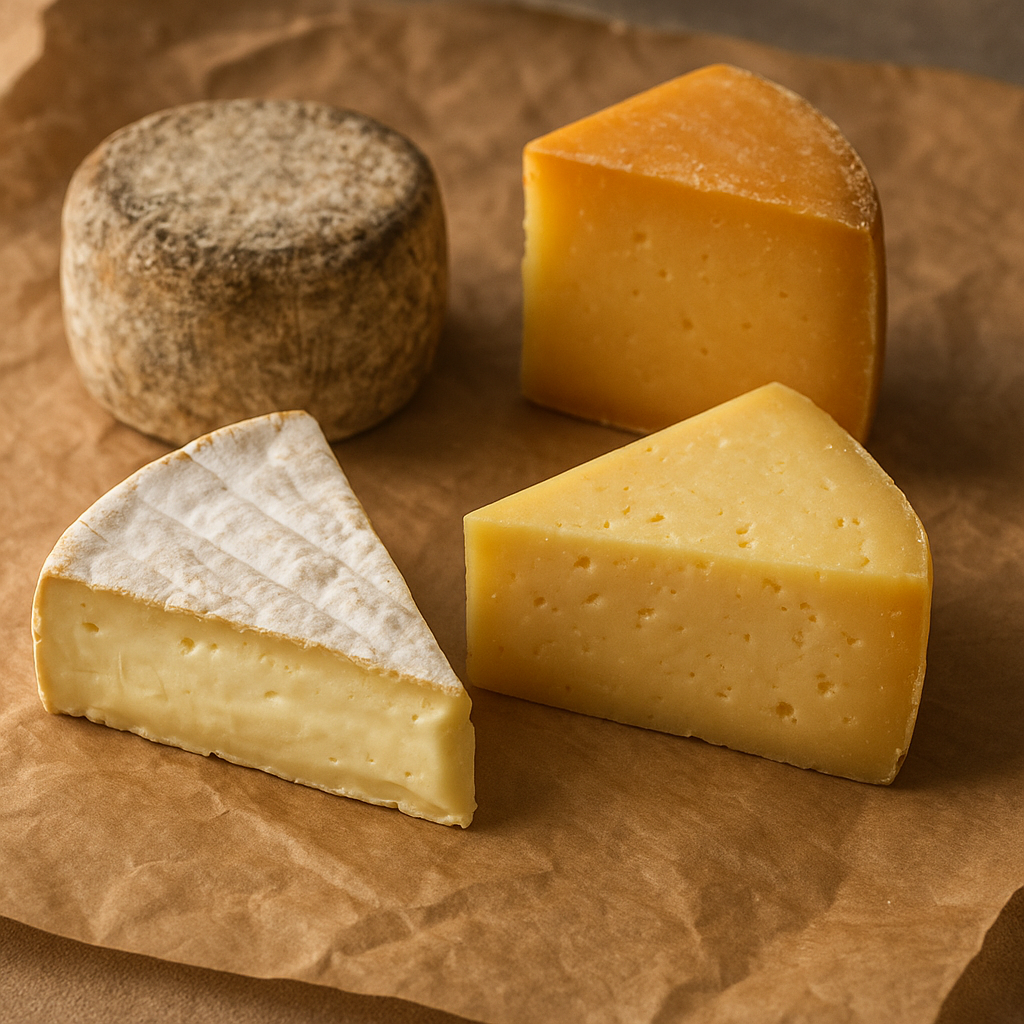
This is a semi-hard cheese, known for its distinctive holes, often called eyes. It is made from cow's milk and undergoes a fermentation process that gives it a mild, nutty, and slightly sweet flavor. The texture is firm yet pliable, making it versatile for various culinary applications. Its characteristic appearance and taste make it a popular choice for many dishes.
How people cook with it
Swiss cheese is a beloved ingredient that adds a unique touch to both simple and complex meals. Its meltability and flavor profile make it a go-to for everyday cooking.
- Sandwich topping
- Melted in casseroles
- Grated into sauces
- Snack cheese
When preparing sandwiches, slices of Swiss cheese add a delightful chewiness and a subtle, nutty flavor that complements cured meats and fresh vegetables. For cooked dishes, it melts beautifully, creating a smooth and creamy texture in gratins, quiches, and pasta bakes. It can also be grated and incorporated into cheese sauces or sprinkled over baked dishes for a golden-brown finish. Its mildness means it pairs well with a wide range of other ingredients without overpowering them.
How it differs from similar foods
Compared to sharper cheeses, Swiss cheese offers a milder, sweeter profile with a distinct nutty undertone. Its characteristic holes are a visual difference, and its texture is generally firmer than softer cheeses but more yielding than very hard aged varieties.
Who it is for
Home cooks and professional chefs alike appreciate Swiss cheese for its approachable flavor and excellent melting properties.
How to keep the rest
To maintain its freshness, wrap any leftover Swiss cheese tightly in plastic wrap or place it in an airtight container. Store it in the refrigerator to prevent it from drying out or absorbing other odors. It is best consumed within a few weeks of opening for optimal flavor.