
Grocery
Swiss Cheese
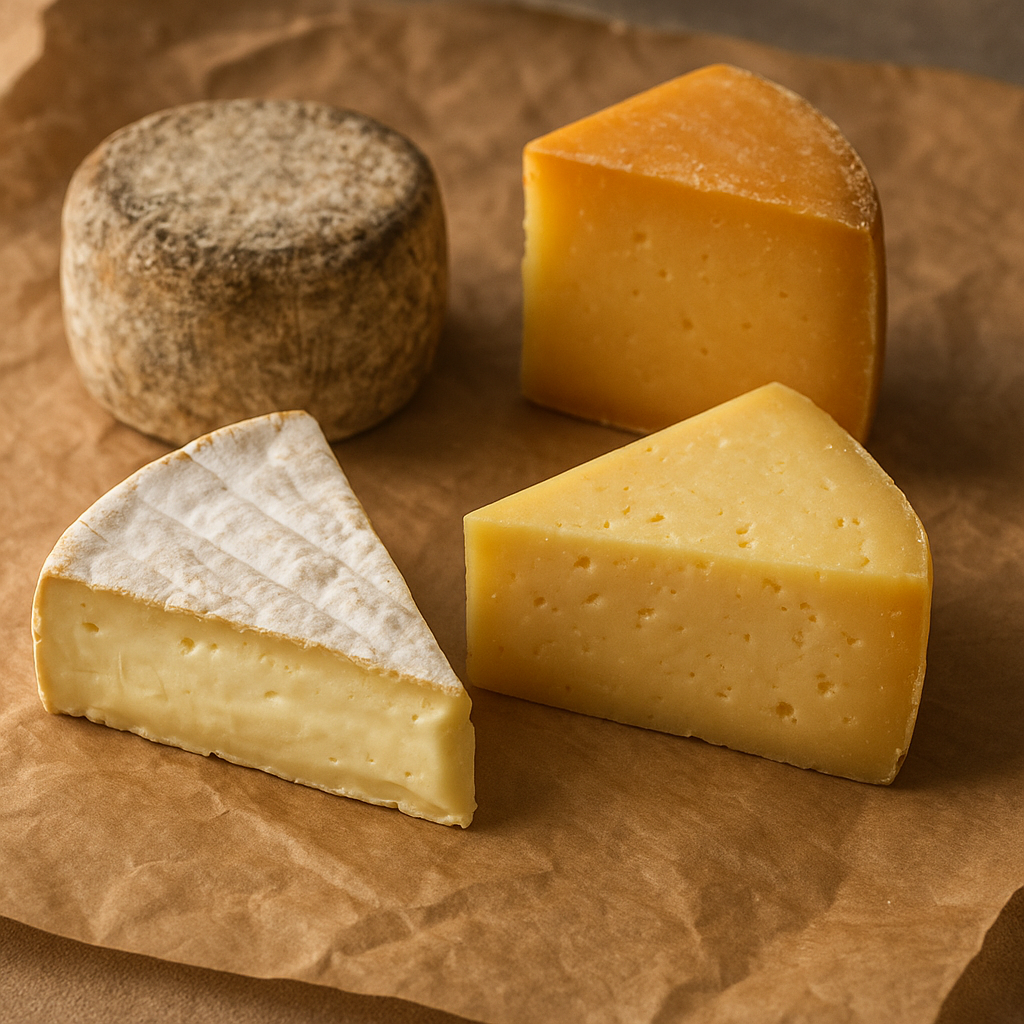
What it is
This is a semi-hard cheese, typically made from cow's milk. It is known for its distinctive appearance, characterized by characteristic holes or 'eyes' that form during the aging process. The flavor is generally mild and nutty, with a slight sweetness. Its texture is firm yet pliable, making it versatile for various culinary applications. The cheese undergoes a controlled fermentation that contributes to its unique taste and aroma profile.
How people cook with it
Swiss cheese is a popular choice for sandwiches and melting. Its mild flavor complements many other ingredients without overpowering them.
- Sandwich slices
- Melted on burgers
- In gratins
- Cheese boards
When preparing sandwiches, Swiss cheese slices add a smooth, nutty flavor that pairs well with deli meats like ham or turkey, and is excellent with mustard. For cooked dishes, it melts beautifully, creating a creamy texture in casseroles, gratins, or atop baked pasta. It can also be cubed and added to a cheese platter, offering a milder option alongside more robust cheeses. Its ability to melt evenly makes it a reliable ingredient for many savory recipes, providing a satisfying richness.
How it differs from similar foods
Compared to cheddar, Swiss cheese has a milder, sweeter, and nuttier taste with a less sharp finish. Its characteristic holes are also a visual differentiator. While both melt well, Swiss cheese often yields a smoother, less stringy melt than some aged cheddars.
Who it is for
Home cooks and professional chefs use Swiss cheese for its appealing flavor and melting properties.
How to keep the rest
To store leftover Swiss cheese, wrap it tightly in cheese paper or plastic wrap to prevent it from drying out. Keep it in the coldest part of your refrigerator. It is best consumed within a few weeks of opening for optimal flavor and texture.