
Grocery
Swiss Cheese Slices
What it is
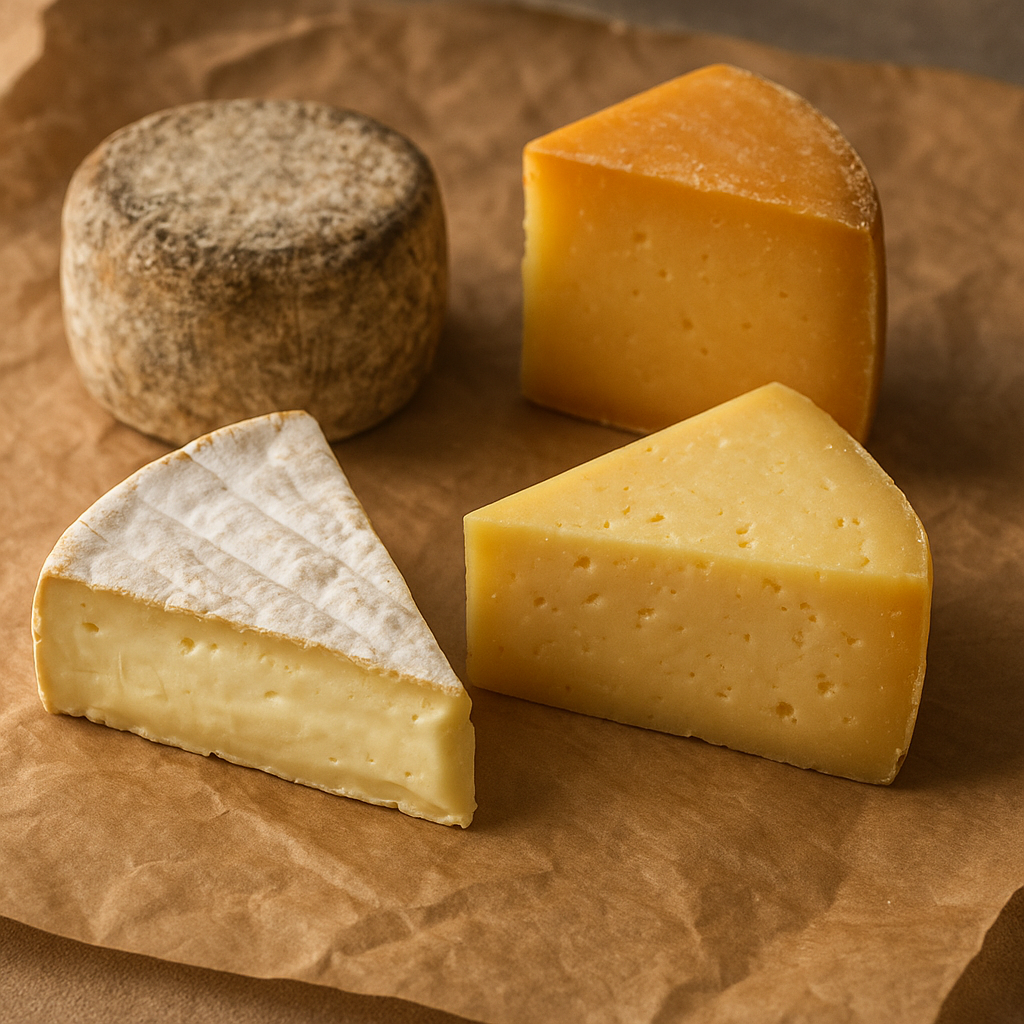
This is a semi-hard cheese originating from Switzerland. It is known for its distinctive appearance, characterized by small to medium-sized holes, often referred to as 'eyes.' The cheese is made from cow's milk and undergoes a fermentation process that gives it a unique flavor profile. The texture is firm yet pliable, making it versatile for various culinary applications. It is typically sold in blocks or pre-sliced for convenience.
How people cook with it
Swiss cheese is a popular choice for sandwiches and melting applications. Its mild, nutty flavor complements a wide range of ingredients.
- Sandwich filling
- Grilled cheese
- Fondue base
- Casserole topping
When preparing sandwiches, Swiss cheese slices offer a pleasant chewiness and a subtle sweetness that pairs well with deli meats, vegetables, and other condiments. For hot dishes, it melts smoothly, creating a creamy texture without becoming oily. It can be incorporated into gratins, quiches, or simply melted over cooked vegetables. Its mildness means it won't overpower other flavors, making it a good team player in complex dishes. It also works well in sauces.
How it differs from similar foods
Compared to cheddar, Swiss cheese has a milder, sweeter, and nuttier taste with less sharpness. Its texture is also generally softer and more yielding than aged cheddars. The characteristic holes are a visual differentiator, and the flavor profile is distinct due to the specific bacteria used in its production.
Who it is for
Home cooks and professional chefs alike use Swiss cheese for its appealing flavor and melting properties.
How to keep the rest
To maintain freshness, keep any remaining Swiss cheese tightly wrapped in its original packaging or in plastic wrap. Store it in the refrigerator. Proper storage helps prevent the cheese from drying out and absorbing unwanted odors from other foods in the fridge.