
Kwong Hung Seng Sauce
Sweet Soy Sauce
What it is
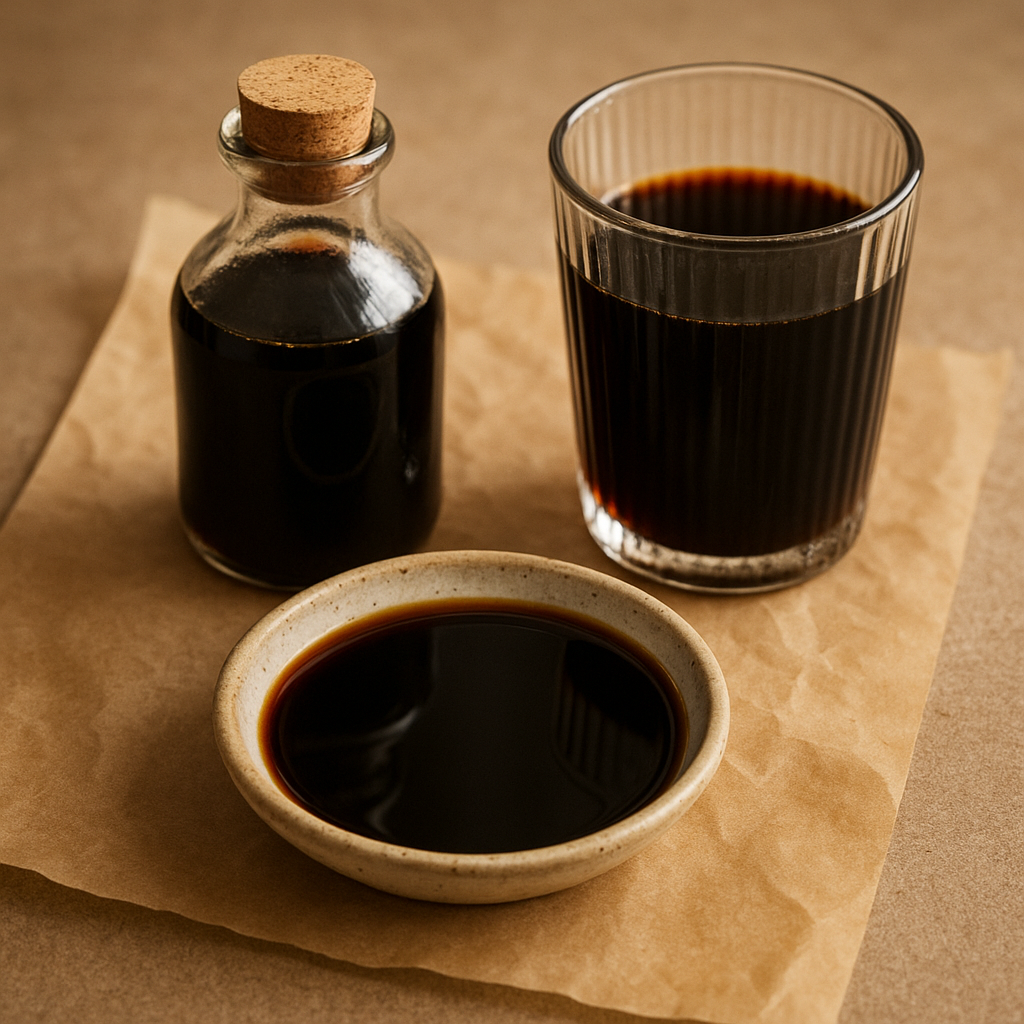
This is a popular condiment in Southeast Asian cuisine, particularly in Indonesia and Malaysia. It is made from fermented soybeans, wheat, salt, and sugar. The sugar content gives it a distinct sweet and slightly caramelized flavor, setting it apart from regular soy sauce. Its dark, syrupy consistency makes it a versatile ingredient for adding depth and sweetness to a variety of dishes.
How people cook with it
Sweet soy sauce is used to add a rich, sweet, and savory dimension to many dishes. It can be used as a marinade, a dipping sauce, or a finishing glaze.
- Marinades for grilled meats
- Glazes for roasted vegetables
- Dipping sauce for spring rolls
- Flavoring stir-fries
When cooking, sweet soy sauce can be incorporated in several ways. It works wonderfully as a base for marinades, tenderizing meats while imparting a deep, sweet flavor. In stir-fries, it can be added towards the end of cooking to coat ingredients and create a glossy finish. It's also excellent brushed onto grilled or roasted items like chicken, pork, or even tofu, caramelizing beautifully under heat. For a quick flavor boost, it can be mixed with other ingredients to create a dipping sauce or drizzled directly over cooked dishes.
How it differs from similar foods
Unlike regular soy sauce, which is primarily salty and umami-rich, sweet soy sauce contains added sugar, resulting in a noticeable sweetness and a thicker, more syrupy texture. This sweetness makes it ideal for dishes where a balance of sweet and savory is desired, whereas regular soy sauce is typically used for a purely savory profile.
Who it is for
Home cooks and professional chefs looking to add a sweet and savory element to their Asian-inspired cooking.
How to keep the rest
After opening, store the sweet soy sauce in a cool, dark place, such as a pantry. Refrigeration is recommended to maintain its quality and prevent spoilage. Ensure the cap is tightly sealed to preserve its flavor and aroma. It can be stored for an extended period when kept properly.