
Grocery
Sweet Salad Peppers
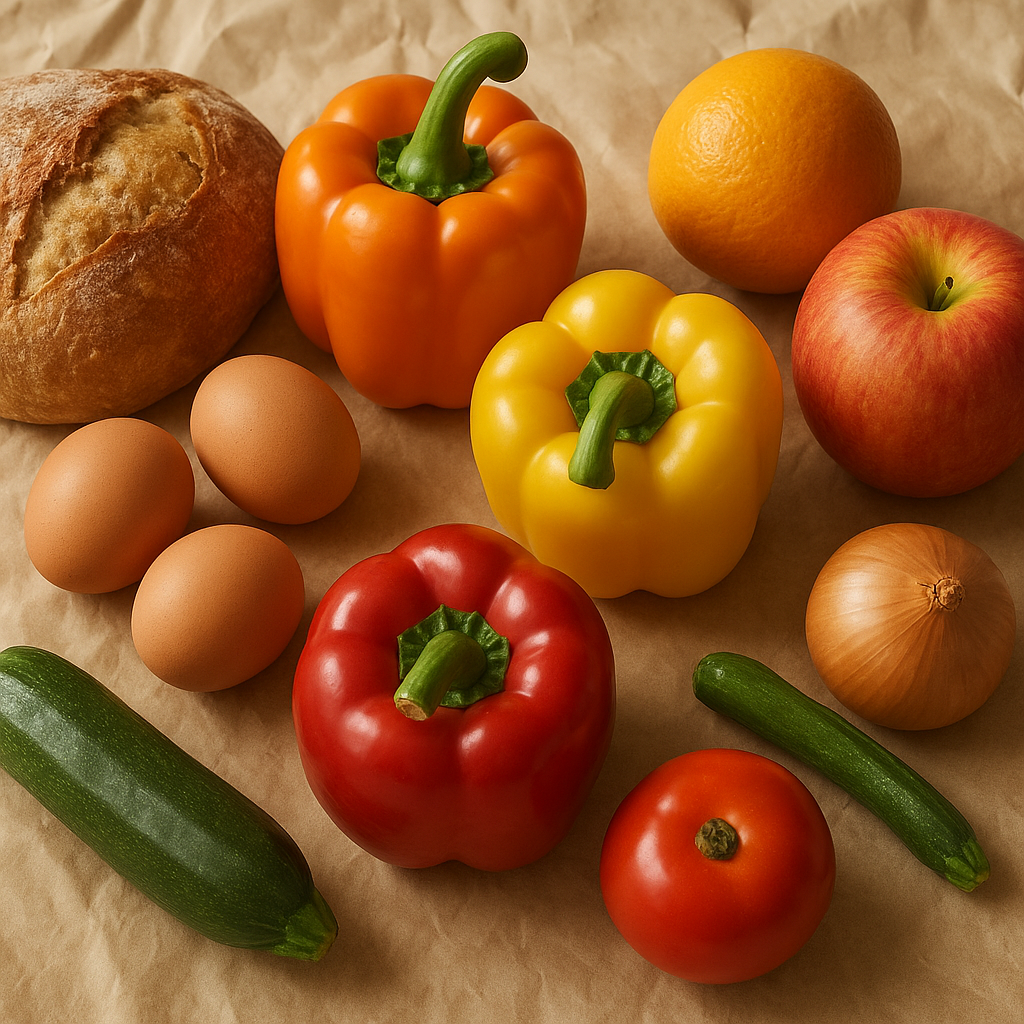
What it is
These are small, sweet peppers specifically cultivated for their mild flavor and tender texture, making them ideal for raw consumption. They are typically harvested at a stage where they are firm and vibrant in color, offering a pleasant crunch. Their sweetness is a natural characteristic, not achieved through added sugars. They are a versatile vegetable that adds a pop of color and a subtle sweetness to various dishes. Their size makes them easy to incorporate into salads and other preparations.
How people cook with it
These peppers are a delightful addition to both savory and slightly sweet dishes. They can be enjoyed in many ways, bringing a fresh taste and visual appeal.
- Chopped into salads
- Stuffed with cheese
- Roasted with vegetables
- Dipped in hummus
To prepare these sweet peppers, begin by rinsing them under cool water. You can then slice them into rings, dice them into small pieces, or leave them whole if they are very small. For salads, they add a refreshing crunch and sweetness. They can also be roasted alongside other vegetables like onions and zucchini, bringing out their natural sugars. For a simple appetizer, try stuffing them with cream cheese or a herbed goat cheese mixture. They are also great for snacking on their own, perhaps with a side of your favorite dip.
How it differs from similar foods
Unlike larger bell peppers, these salad peppers are typically smaller and have thinner walls, which makes them more tender and easier to eat raw. Their sweetness is often more pronounced than that of larger varieties, and they tend to have fewer seeds. This makes them a more approachable option for those who prefer a milder pepper flavor.
Who it is for
Home cooks and anyone looking to add fresh, sweet flavor to their meals will appreciate these peppers.
How to keep the rest
To keep the rest of these sweet peppers fresh, store them unwashed in the crisper drawer of your refrigerator. They are best used within a week or two of purchase to maintain their crispness and flavor. Avoid storing them in plastic bags, as this can trap moisture and lead to spoilage.