
Grocery
Sweet Rice Grains
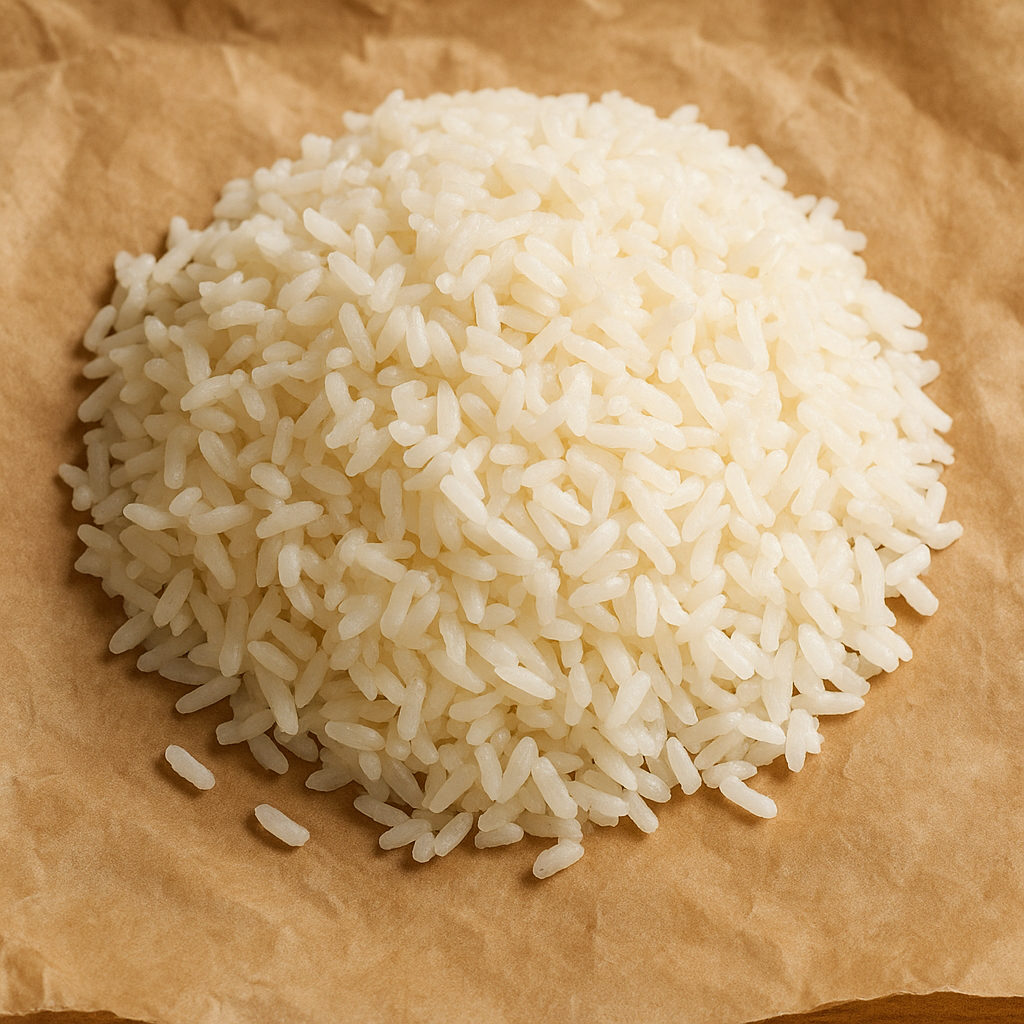
What it is
These are short-grain japonica rice varieties that are known for their high starch content. When cooked, they become exceptionally sticky and tender. This characteristic makes them a preferred choice for many sweet and savory dishes where a cohesive texture is desired. The grains are typically opaque white before cooking and transform into a translucent, slightly chewy texture when prepared.
How people cook with it
Sweet rice is a versatile ingredient that can be used in both traditional and modern culinary creations. Its unique sticky quality lends itself well to a variety of applications.
- Dessert puddings
- Savory rice balls
- Wrapped snacks
- Thickening agent
To prepare sweet rice, it is essential to rinse the grains thoroughly under cold running water until the water runs clear. This removes excess surface starch. After rinsing, the rice is typically soaked for at least 30 minutes, or sometimes longer, depending on the recipe. It is then steamed or cooked in a pot with a specific ratio of water, often less water than regular rice. The steaming process is particularly effective in achieving the desired sticky and tender texture, allowing the grains to meld together beautifully.
How it differs from similar foods
Unlike long-grain rice varieties which tend to remain separate and fluffy when cooked, sweet rice is characterized by its pronounced stickiness. This is due to a higher proportion of amylopectin starch. This sticky nature is its defining culinary attribute, setting it apart from other rice types.
Who it is for
Home cooks and professional chefs alike utilize sweet rice for its unique textural properties in various cuisines.
How to keep the rest
Store uncooked sweet rice in a cool, dry place in an airtight container. This helps to maintain its freshness and prevent it from absorbing moisture or odors from the environment. Properly stored, it can last for a considerable amount of time.