
H-E-B · 1 g
H-E-B Sweet Potatoes
What it is
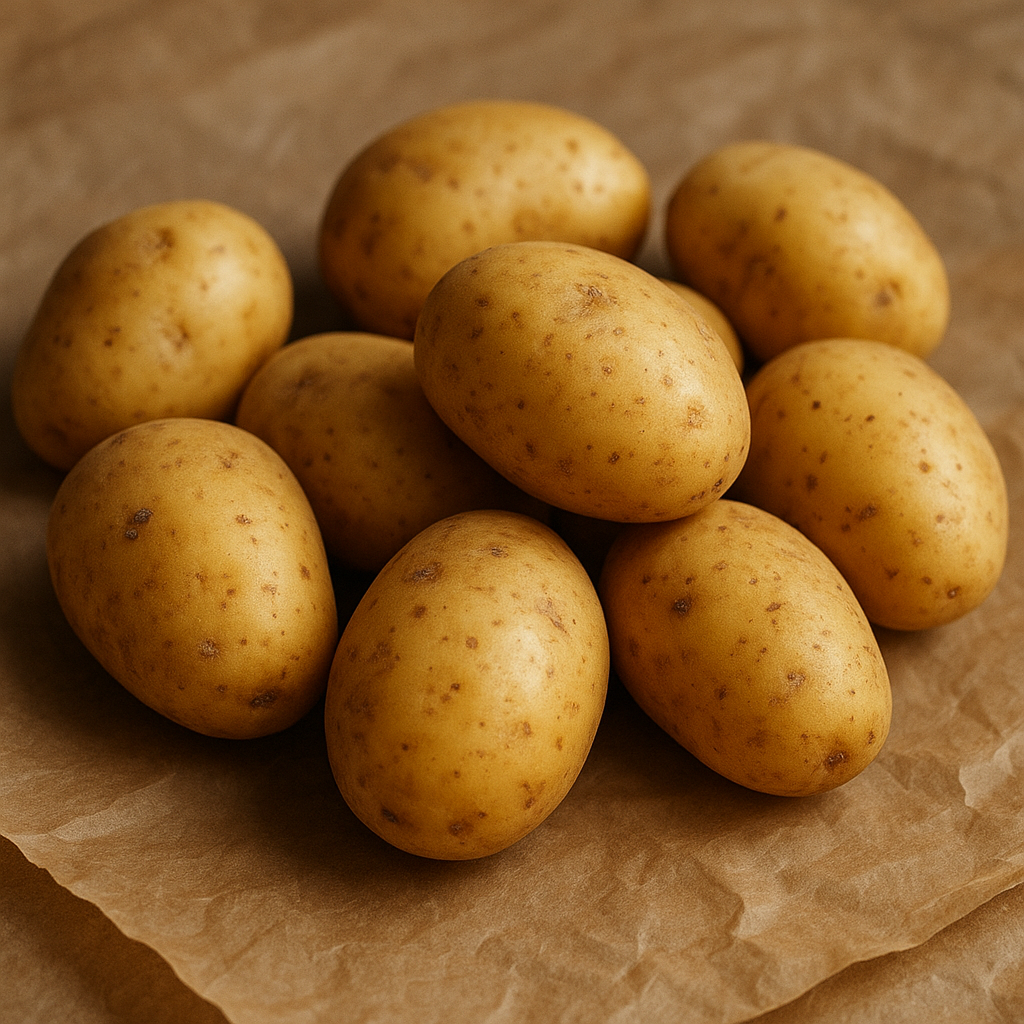
These are fresh, whole sweet potatoes. They are root vegetables known for their vibrant orange flesh and naturally sweet flavor. Sweet potatoes are a versatile ingredient that can be prepared in many ways. They are typically sold individually and can vary in size and shape. Their skin is edible and can be left on during cooking for added texture and nutrients.
How people cook with it
Sweet potatoes are a staple in many kitchens, offering a delightful sweetness that complements both savory and sweet dishes. They can be roasted, mashed, or baked.
- Roasted as a side dish
- Mashed for a creamy texture
- Baked whole for a simple meal
- Added to stews and curries
To prepare sweet potatoes, begin by washing them thoroughly under running water to remove any dirt. You can peel them if desired, or leave the skin on for a more rustic preparation. For baking, simply prick the skin a few times with a fork and place them in a preheated oven until tender when pierced with a knife. Roasting involves cutting them into cubes or wedges, tossing with oil and seasonings, and baking until caramelized. They can also be boiled or steamed before mashing.
How it differs from similar foods
Compared to regular potatoes, sweet potatoes have a distinctly sweeter taste and a softer, often creamier texture when cooked. Their flesh is typically a brighter orange or sometimes purple, and they contain more natural sugars. This makes them a popular choice for desserts and dishes where a touch of sweetness is desired.
Who it is for
Home cooks and bakers looking for a flavorful and adaptable root vegetable will find these sweet potatoes useful.
How to keep the rest
Store any unused sweet potatoes in a cool, dark, and well-ventilated place, such as a pantry or cellar. Avoid storing them in the refrigerator, as this can negatively affect their texture and flavor. Keep them away from direct sunlight and moisture to prolong their freshness.