
HEB
HEB Fresh Sweet Potatoes
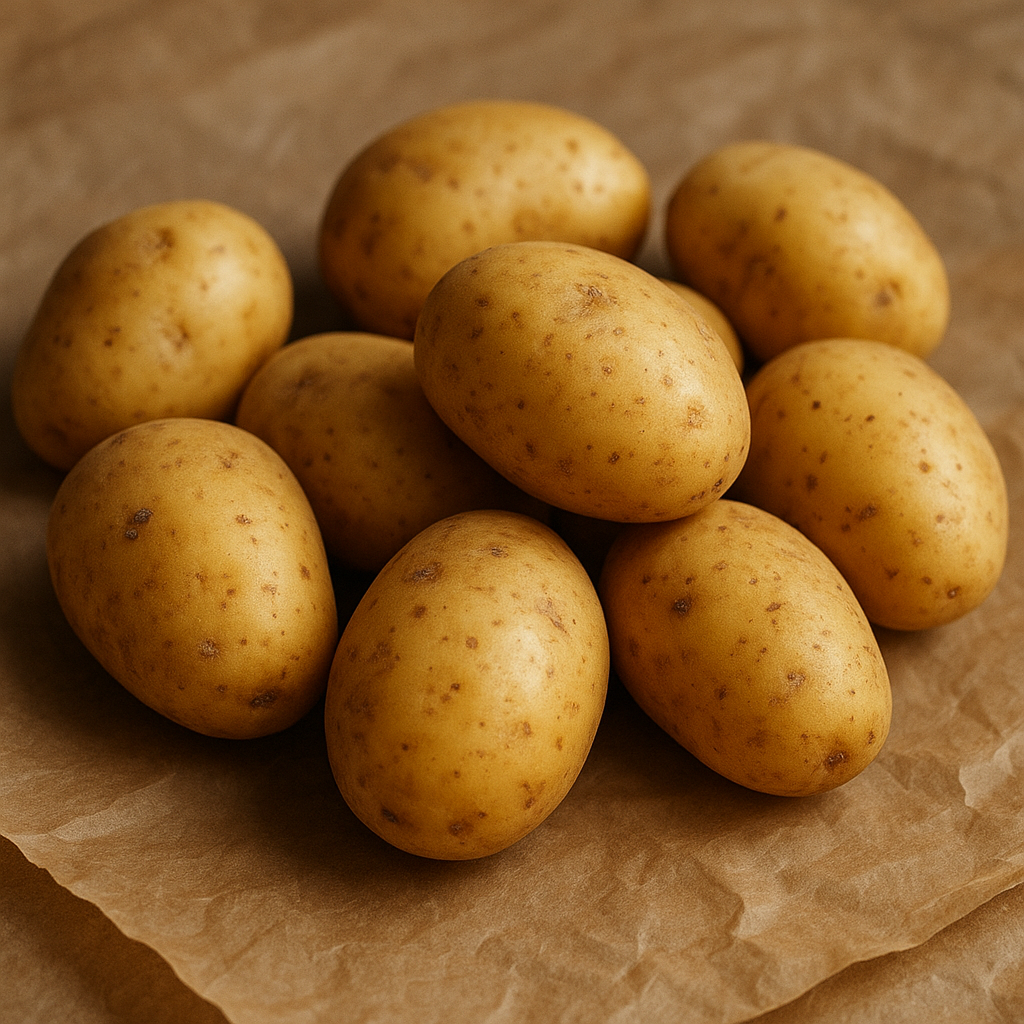
What it is
These are fresh, whole sweet potatoes, a root vegetable known for its vibrant orange flesh and naturally sweet flavor. They are a versatile ingredient, offering a tender texture when cooked and a satisfying taste. Each potato is a solid, earthy specimen, ready to be transformed into a variety of dishes. They are a staple in many kitchens, appreciated for their wholesome qualities and adaptability.
How people cook with it
Sweet potatoes are a fantastic addition to both savory and sweet recipes. Their inherent sweetness makes them a natural pairing for spices and herbs.
- Roasted as a side dish
- Mashed for a creamy texture
- Baked into pies and desserts
- Added to stews and curries
To prepare sweet potatoes, begin by washing them thoroughly under running water to remove any soil. You can then peel them if desired, though many recipes utilize the skin for added texture and nutrients. They can be cut into cubes, wedges, or left whole for baking. Roasting brings out their natural sugars, creating a caramelized exterior and tender interior. Boiling or steaming offers a softer texture, ideal for mashing or incorporating into other dishes. Their versatility allows them to be a star ingredient or a complementary element.
How it differs from similar foods
Compared to regular potatoes, sweet potatoes possess a distinct sweetness and a softer, moister texture when cooked. Their flesh is typically a deep orange, though varieties can range in color. This sweetness makes them suitable for a wider range of applications, including desserts.
Who it is for
Home cooks and chefs alike appreciate sweet potatoes for their flavor and culinary flexibility.
How to keep the rest
Store uncooked sweet potatoes in a cool, dark, and well-ventilated place, such as a pantry or root cellar. Avoid refrigerating them, as this can affect their texture and flavor. Keep them away from direct sunlight and moisture to prevent spoilage. They can last for several weeks when stored properly.