
Fifth Generation
Fifth Generation Sweet Potato
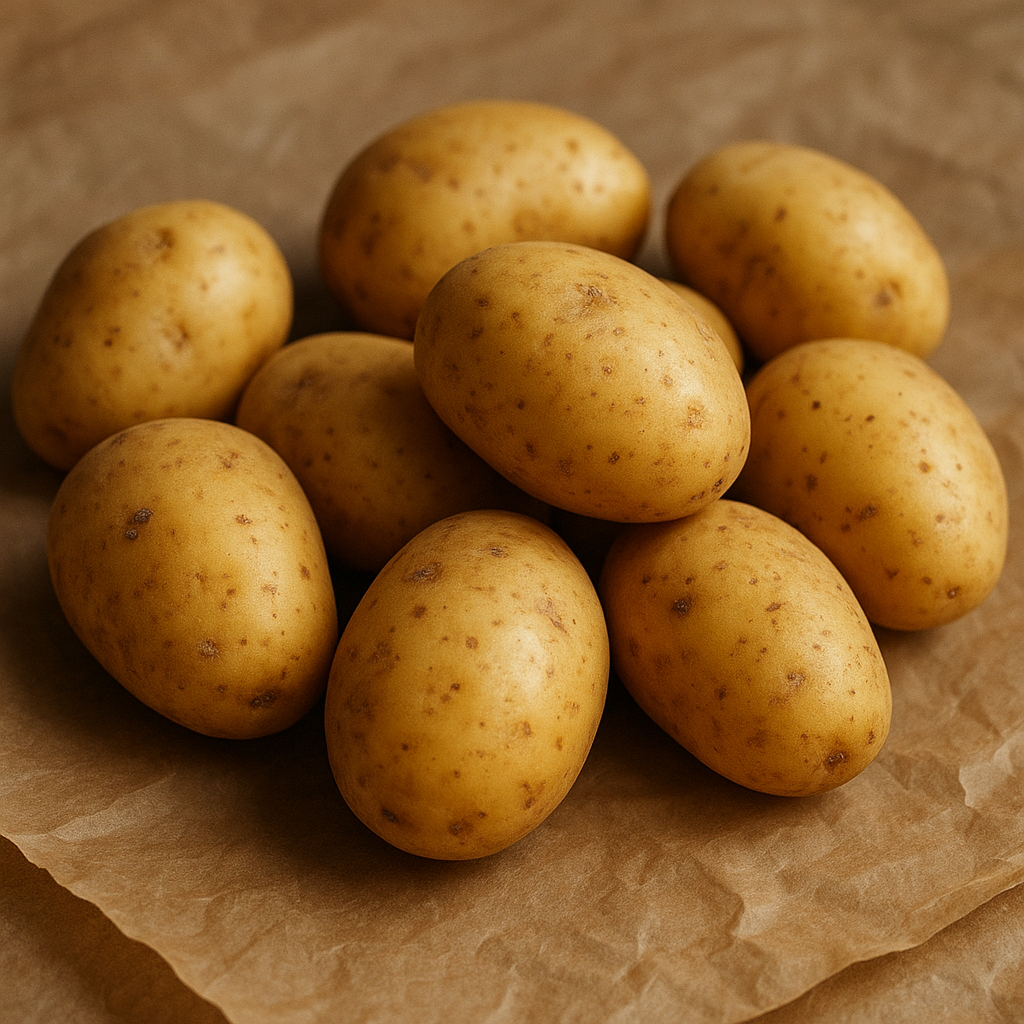
What it is
This is a whole, raw sweet potato, a root vegetable known for its vibrant orange flesh and naturally sweet flavor. It is a versatile ingredient that can be prepared in many ways. Sweet potatoes are a good source of carbohydrates and offer a distinct taste profile that sets them apart from other root vegetables. They are a staple in many cuisines around the world.
How people cook with it
Sweet potatoes are a popular ingredient for both savory and sweet dishes. Their natural sweetness makes them a great addition to baked goods and desserts, while their earthy flavor complements a wide range of spices and herbs in main courses.
- Roasted as a side dish
- Mashed for a creamy texture
- Added to soups and stews
- Baked into pies and breads
To prepare, wash the sweet potato thoroughly under running water. You can peel it or leave the skin on, depending on your preference and the cooking method. For roasting, cut into cubes or wedges and toss with oil and seasonings. To bake, simply pierce the skin with a fork and place in the oven until tender. Sweet potatoes can also be boiled or steamed before mashing or pureeing for various recipes. Their soft texture when cooked makes them easy to incorporate into batters and doughs.
How it differs from similar foods
Compared to regular potatoes, sweet potatoes have a higher sugar content, contributing to their distinct sweetness and caramelization when cooked. Their flesh is typically softer and moister, and they possess a unique, slightly earthy flavor profile. The color of their flesh also varies, with many being a bright orange.
Who it is for
Home cooks and professional chefs alike appreciate sweet potatoes for their flavor and adaptability in the kitchen.
How to keep the rest
Store whole, raw sweet potatoes in a cool, dark, and dry place, such as a pantry or cellar. Avoid refrigeration, as it can affect their texture and flavor. Ensure they have good air circulation to prevent spoilage. They can last for several weeks when stored properly.