
Grocery
Sweet and Sour Sauce
What it is
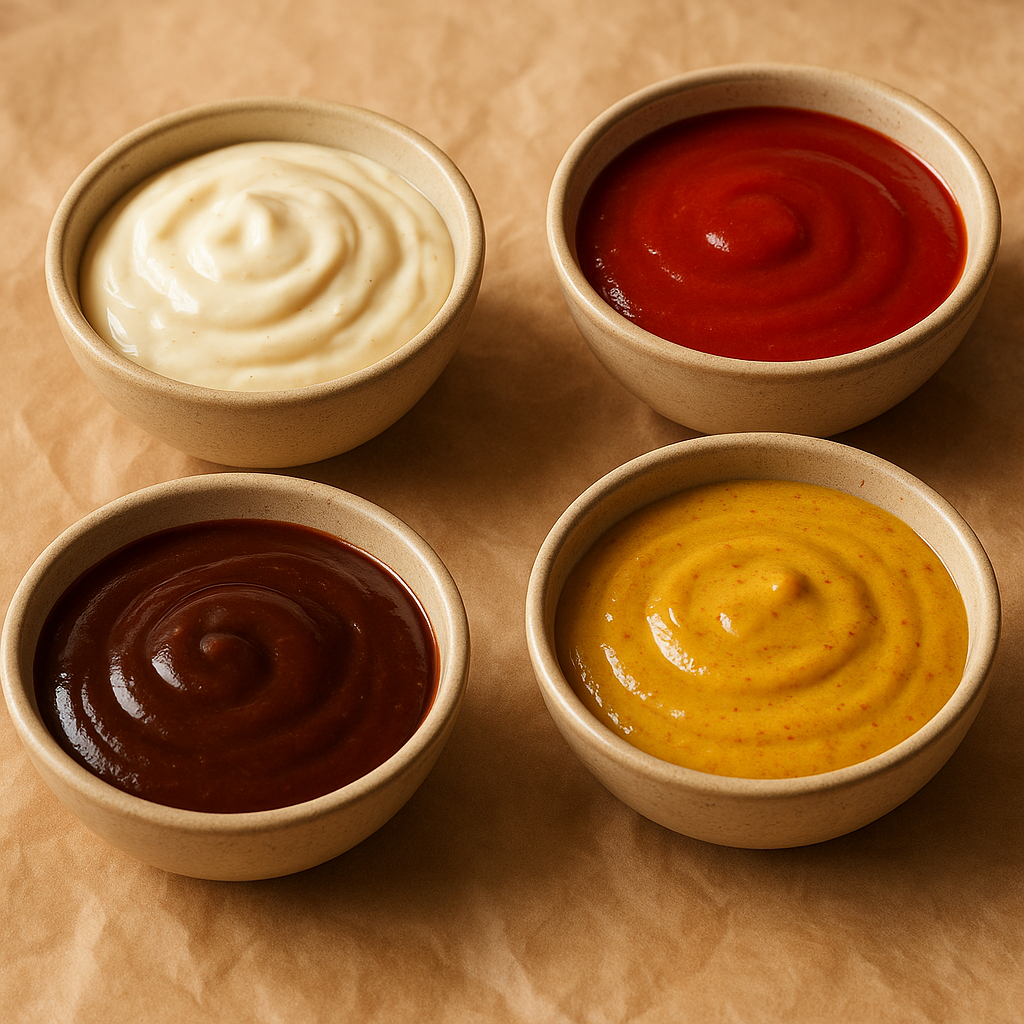
This is a popular condiment that balances sweet and tangy flavors. It is typically made with a base of vinegar and sugar, often combined with fruit juices or purees like pineapple or apricot. Other common ingredients include cornstarch for thickening, soy sauce for umami, and sometimes spices like ginger or garlic for added depth. The resulting sauce has a vibrant color and a smooth, glossy texture. It is a versatile staple in many kitchens, offering a quick way to add a distinct flavor profile to dishes.
How people cook with it
This sauce is a go-to for adding a quick burst of sweet and sour taste to a variety of meals.
- Dipping sauce for appetizers
- Glaze for grilled meats
- Stir-fry sauce base
- Marinade for chicken
You can use this sauce directly from the bottle as a dipping accompaniment for spring rolls, chicken wings, or fried wontons. For a more integrated flavor, it can be incorporated into stir-fries, where it coats vegetables and proteins, creating a cohesive dish. It also works wonderfully as a glaze for baked or grilled chicken, pork, or fish, caramelizing slightly under heat. Some people enjoy it as a base for homemade marinades, adding other seasonings to customize the taste before marinating meats.
How it differs from similar foods
Compared to other Asian-inspired sauces, sweet and sour sauce is characterized by its pronounced sweet and tangy profile. While teriyaki sauce offers a savory-sweet balance and hoisin sauce provides a richer, slightly spiced flavor, this sauce leans more heavily on the bright, acidic notes from vinegar and the sweetness from sugar and fruit.
Who it is for
Home cooks looking for a convenient way to add a classic sweet and sour flavor to their meals.
How to keep the rest
After opening, it is best to refrigerate the remaining sauce. Ensure the container is tightly sealed to maintain freshness and prevent spoilage. It can typically be stored in the refrigerator for several weeks, though checking the product's packaging for specific recommendations is always a good idea.