
Grocery
Sweet and Savory Unagi Sauce for Sushi
What it is
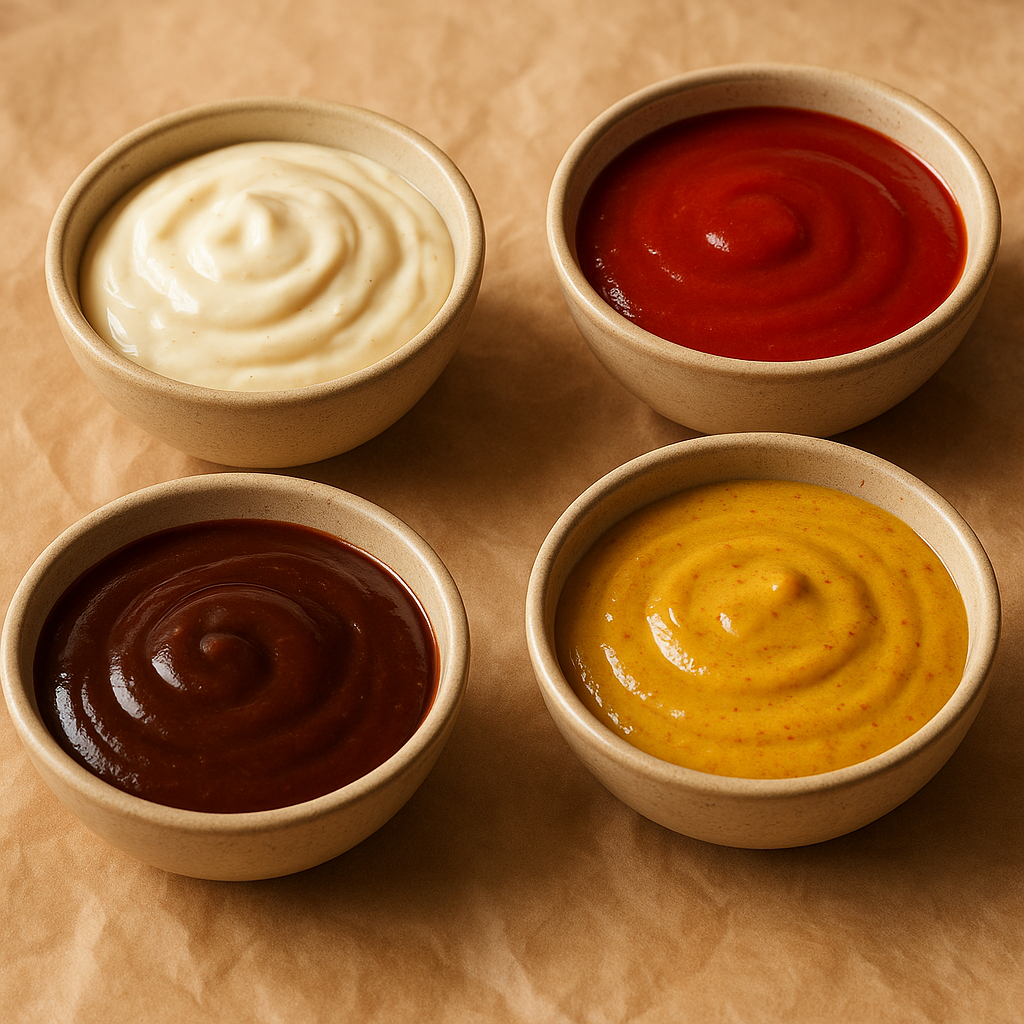
This is a thick, dark, and glossy sauce commonly used in Japanese cuisine. It is typically made from soy sauce, mirin (a sweet rice wine), sugar, and sometimes sake or other flavorings. The sauce is simmered until it thickens and develops a rich, caramelized sweetness with a savory umami depth. It is a staple for preparing grilled eel (unagi) dishes, but its versatility extends far beyond that.
How people cook with it
This sauce brings a distinctive sweet and savory glaze to many dishes. It is a popular finishing touch for various Japanese meals.
- Glazing grilled eel
- Drizzling over sushi rolls
- Marinade for chicken or tofu
- Dipping sauce for tempura
Unagi sauce is often brushed onto grilled eel during the final stages of cooking, allowing it to caramelize and create a sticky, flavorful coating. It can also be drizzled generously over sushi rolls, particularly those featuring eel or other seafood, to add a layer of sweetness and complexity. For other applications, it works well as a marinade for meats and tofu, infusing them with its unique flavor profile before cooking. It can also serve as a rich dipping sauce for fried items like tempura or spring rolls, offering a delightful contrast to crispy textures.
How it differs from similar foods
Compared to teriyaki sauce, unagi sauce is typically sweeter and has a thicker, more syrupy consistency. While both use soy sauce and sugar, unagi sauce often incorporates mirin more prominently, contributing to its distinct sweet and slightly sticky glaze.
Who it is for
Home cooks and sushi enthusiasts who enjoy adding authentic Japanese flavors to their meals.
How to keep the rest
After opening, store the unagi sauce in a tightly sealed bottle in the refrigerator. This will help maintain its flavor and prevent spoilage. It is best to use it within a few months for optimal taste. Ensure the cap is securely fastened to prevent oxidation and maintain its thick consistency.