
Grocery
Sunflower Seeds
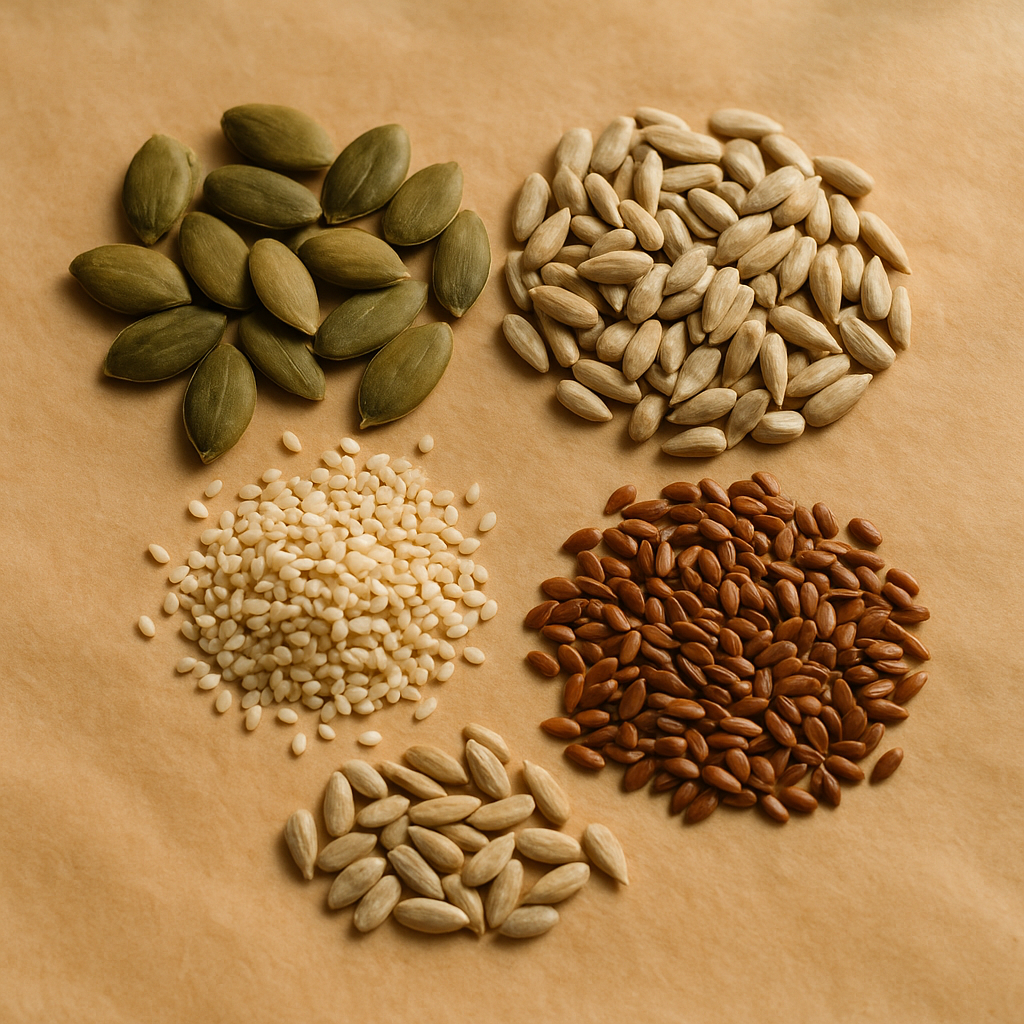
What it is
These are the seeds harvested from the center of a sunflower. They are typically enclosed in a hard, striped shell that is usually removed before consumption, revealing a pale, edible kernel. These seeds are a popular snack and a versatile ingredient in various culinary applications. They offer a satisfying crunch and a mild, nutty flavor that complements many dishes. The seeds are a good source of plant-based fats and have a pleasing texture when eaten raw or roasted.
How people cook with it
Sunflower seeds are used both as a standalone snack and as an addition to many meals. Their versatility makes them a pantry staple for many home cooks.
- Snack on them directly
- Add to salads
- Incorporate into baked goods
- Top yogurt or oatmeal
Sunflower seeds can be enjoyed straight from the bag as a quick and convenient snack. For added flavor and a crispier texture, they can be lightly toasted in a dry skillet over medium heat until fragrant, or spread on a baking sheet and roasted in an oven. They are often sprinkled over green salads to provide a delightful crunch and a nutty undertone. In baking, they can be mixed into bread doughs, muffins, or cookies, adding both texture and a subtle richness. They also pair well with fruits and grains in breakfast bowls.
How it differs from similar foods
Compared to other seeds like pumpkin or sesame, sunflower seeds have a more pronounced, yet still mild, nutty flavor. Their texture is also distinct, offering a satisfying crispness that is less dense than some other seed varieties. The size and shape of sunflower seeds are also easily recognizable.
Who it is for
Home cooks looking for a healthy and versatile snack or ingredient will find these seeds useful.
How to keep the rest
To maintain freshness, store any remaining sunflower seeds in an airtight container in a cool, dry place. This will help prevent them from becoming stale or absorbing unwanted odors. Keeping them away from direct sunlight and moisture is recommended for optimal shelf life.