
Grocery
Granulated Sugar for Everyday Baking
What it is
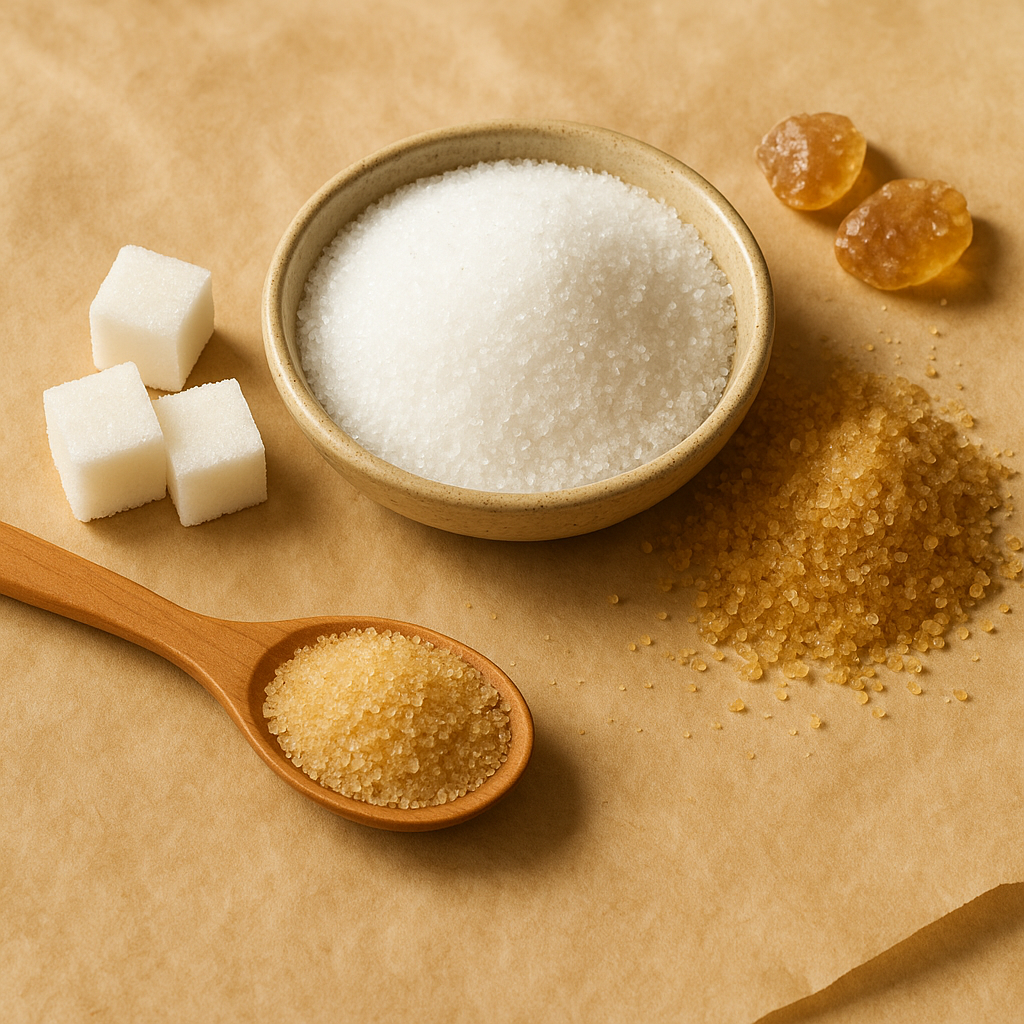
This is a common granulated sugar, a refined form of sucrose. It appears as small, white crystals. Its fine texture allows it to dissolve easily in liquids and blend smoothly into batters and doughs. This sugar is a staple in kitchens worldwide, valued for its pure sweetness and versatility in a wide range of culinary applications. Its consistent quality makes it a reliable choice for both simple and complex recipes.
How people cook with it
Granulated sugar is a fundamental ingredient for sweetening and enhancing flavor in countless dishes. It plays a crucial role in baking, cooking, and beverage preparation.
- Sweetening baked goods
- Balancing tart flavors
- Caramelizing for sauces
- Adding sweetness to drinks
In baking, granulated sugar provides sweetness and contributes to the texture and browning of cakes, cookies, and pastries. It can be creamed with butter to create a light and airy base for many desserts. When heated, it caramelizes, developing rich, complex flavors essential for glazes, candies, and sauces. It is also commonly dissolved in liquids to sweeten beverages like tea, coffee, and lemonade. Its ability to absorb moisture also helps in preserving jams and jellies.
How it differs from similar foods
Compared to brown sugar, granulated sugar lacks molasses, resulting in a pure, clean sweetness without any caramel notes. Its finer crystals also dissolve more readily than coarser sugars, making it ideal for recipes where smooth texture is paramount. It doesn't impart the same moistness as brown sugar.
Who it is for
Home bakers and cooks of all skill levels use granulated sugar for its predictable performance and pure sweetness.
How to keep the rest
To maintain its quality, store this sugar in a cool, dry place in an airtight container. This prevents it from absorbing moisture, which can cause it to clump, and keeps it free from pantry odors. Properly stored, it will remain free-flowing and ready for use.