
Grocery
Granulated Sugar
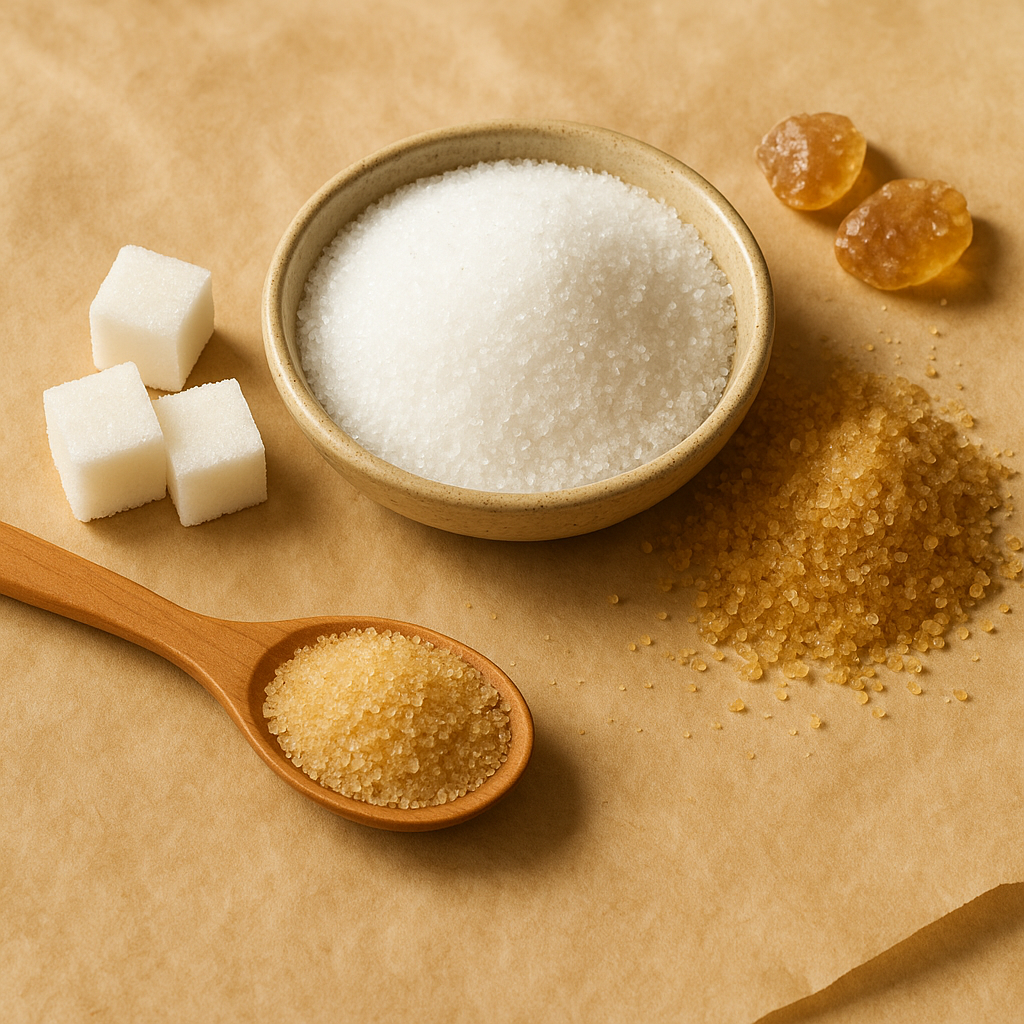
What it is
This is a common sweetener made from sugarcane or sugar beets. It is processed into fine, white crystals that dissolve easily in liquids. Granulated sugar is a staple in kitchens worldwide, used for a wide range of culinary applications. Its purity and consistent texture make it reliable for baking and cooking. This form of sugar is a fundamental ingredient for achieving sweetness and texture in many dishes.
How people cook with it
People use granulated sugar to sweeten beverages and enhance the flavor of baked goods. It plays a crucial role in creating the desired taste and structure in many recipes.
- Sweetening coffee and tea
- Baking cakes and cookies
- Making sauces and glazes
- Caramelizing for desserts
Granulated sugar is versatile and can be incorporated into recipes in various ways. It is often creamed with butter to create a light and airy base for cakes and cookies, contributing to their rise and tender crumb. When heated, it caramelizes, developing rich, complex flavors and a deep brown color, which is essential for candies and toppings. It also helps to balance tartness in fruit-based desserts and can be used to create simple syrups for cocktails and beverages. Its ability to dissolve readily makes it ideal for sweetening liquids.
How it differs from similar foods
Compared to brown sugar, granulated sugar lacks molasses, resulting in a pure sweet taste without any caramel notes. It also has a drier texture. Unlike powdered sugar, its crystals are larger and do not contain cornstarch, making it unsuitable for dusting or creating smooth icings without additional preparation.
Who it is for
Home cooks and professional bakers rely on this ingredient for consistent sweetness and texture in their creations.
How to keep the rest
To maintain its quality, store granulated sugar in an airtight container in a cool, dry place. This prevents it from absorbing moisture, which can cause clumping and affect its texture. Keeping it away from strong odors will also preserve its clean, sweet flavor.