
Sainsbury's · 6
Fresh Spring Onions
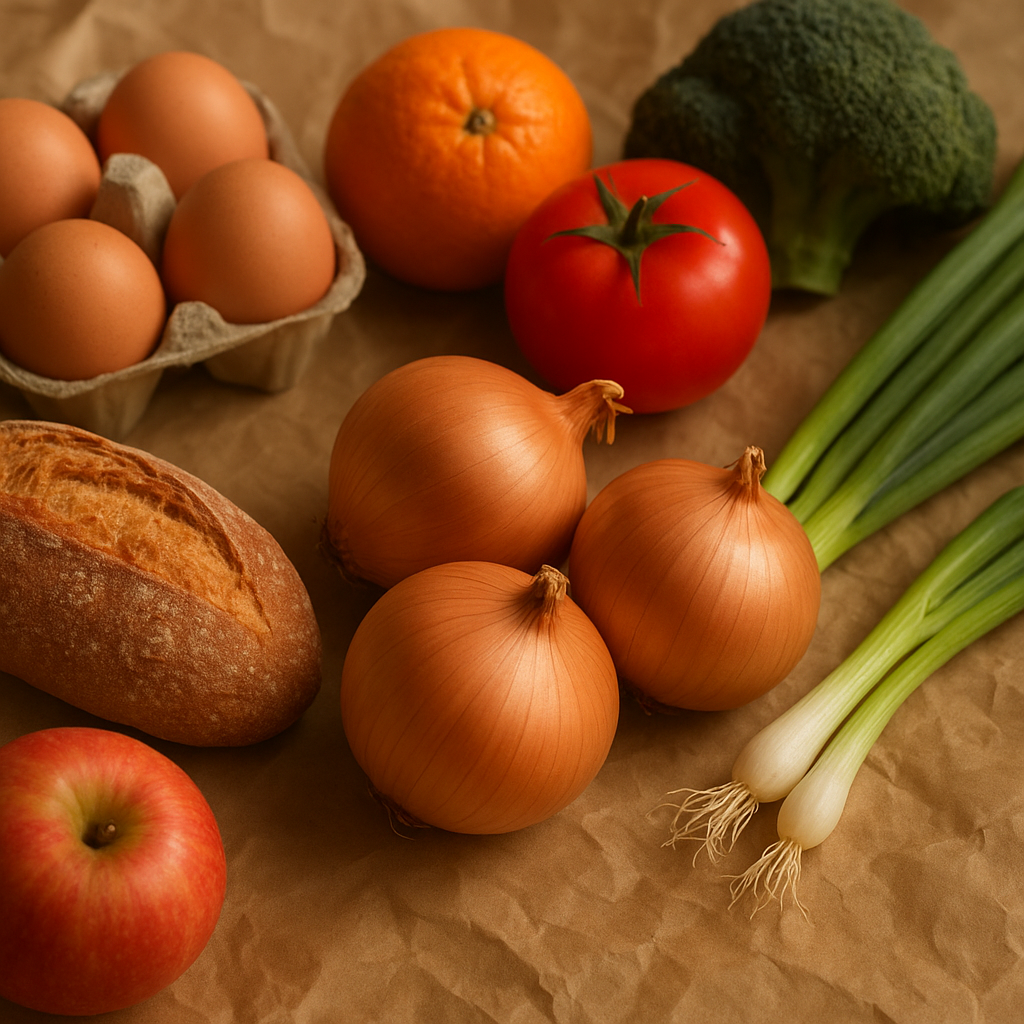
What it is
These are young onions harvested before the bulb has fully developed. They have a milder flavor than mature onions and feature both a tender white base and bright green stalks. The entire plant is edible, offering a fresh, slightly pungent taste that enhances many dishes. They are a common ingredient in kitchens worldwide, valued for their versatility and bright flavor profile.
How people cook with it
Spring onions are a popular choice for adding a fresh, oniony bite to a variety of meals. They can be used raw or cooked, bringing a delicate flavor and visual appeal.
- Garnish for soups and stews
- Chopped into salads
- Stir-fried with vegetables
- Mixed into dips and sauces
To prepare spring onions, trim off the root ends and any wilted green tops. You can then chop them finely, separating the white and green parts if desired, as they have slightly different flavor intensities. The white bulbs are often sautéed to build a flavor base in cooked dishes, while the green stalks are frequently used as a fresh garnish, sprinkled over finished meals just before serving. They can also be thinly sliced and added raw to salads, wraps, or sandwiches for a crisp texture and sharp taste.
How it differs from similar foods
Compared to mature onions, spring onions are much milder and less pungent. Their tender texture means they can be eaten raw, whereas mature onions are typically cooked. The green stalks are also a significant part of the spring onion, offering a distinct flavor not found in larger onion varieties.
Who it is for
Home cooks and professional chefs alike use spring onions to add a fresh, delicate onion flavor to their culinary creations.
How to keep the rest
To keep the rest of your spring onions fresh, wrap the unwashed bulbs and stalks loosely in a damp paper towel. Place them in a plastic bag or an airtight container in the crisper drawer of your refrigerator. They are best used within a week of purchase for optimal flavor and texture.