
Grocery
Spring Green Sanding Sugar for Baking
What it is
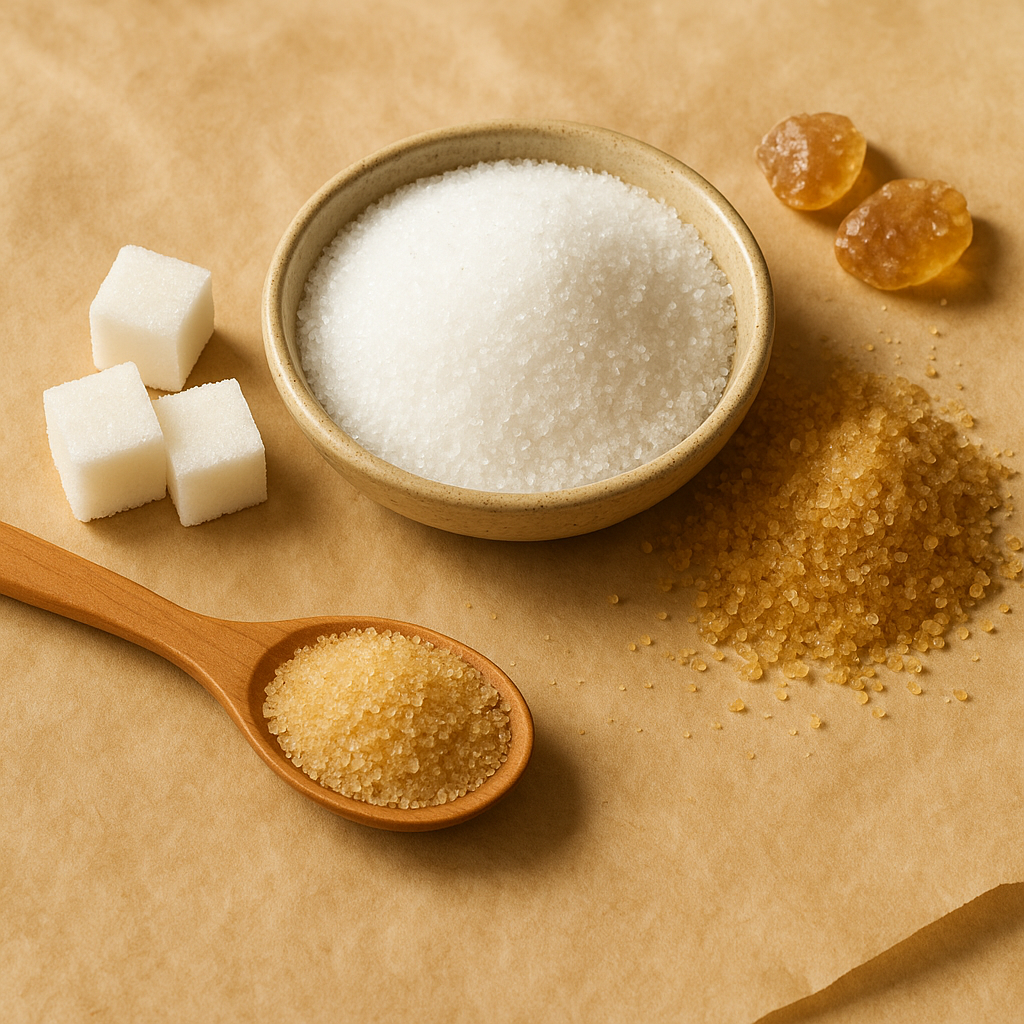
This is a type of decorative sugar used in baking. It consists of small, coarse sugar crystals that are typically colored. The green hue makes it suitable for springtime themes, Easter treats, or any baked good that benefits from a touch of vibrant color. The granules are larger than granulated sugar, giving them a distinct sparkle and texture when applied to frosting or dough.
How people cook with it
This sugar is primarily used for decorating baked goods. It adds both visual appeal and a slight crunch.
- Decorating cookies
- Topping cupcakes
- Enhancing cakes
- Garnishing pastries
Apply this sanding sugar after frosting or glazing your baked goods. It adheres well to sticky surfaces like buttercream, royal icing, or even a simple glaze. You can sprinkle it generously for a full coverage effect or use it more sparingly for subtle accents. For cookies, it can be pressed into the dough before baking to create a sparkling crust. It's also effective for rimming glasses for drinks or adding a decorative touch to candy melts.
How it differs from similar foods
Sanding sugar differs from granulated sugar due to its larger crystal size and often its vibrant coloring. This makes it more visible and provides a noticeable textural contrast. It does not dissolve as quickly as finer sugars, maintaining its decorative integrity.
Who it is for
Bakers of all skill levels use this sugar to make their creations more festive.
How to keep the rest
Store any unused sanding sugar in a cool, dry place. Keep it in its original container or an airtight one to prevent moisture absorption and clumping. Ensure the lid is tightly sealed to maintain the sugar's texture and color.