
Grocery
Sparkling Water
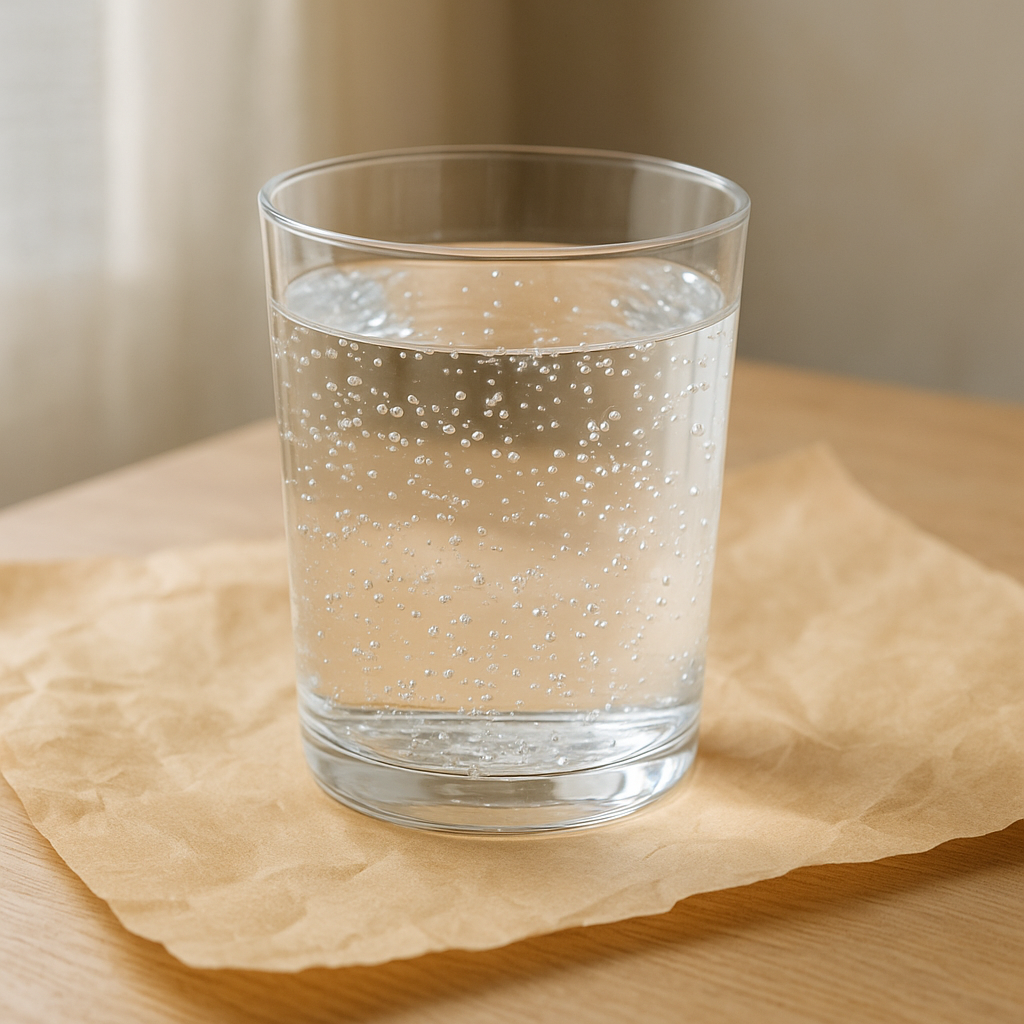
What it is
Sparkling water is a beverage made by infusing plain water with carbon dioxide gas under pressure. This process creates bubbles and a characteristic effervescence. It is often consumed as a refreshing alternative to still water or sugary drinks. The carbonation provides a slight tingle on the tongue and can enhance the perception of flavor, even in unflavored varieties. It is a simple, pure beverage.
How people cook with it
Sparkling water is a versatile ingredient and beverage base in the kitchen.
- As a mixer for cocktails
- To add lightness to batters
- As a palate cleanser
- For a refreshing drink
In cooking, a splash of sparkling water can be used to lighten batters for pancakes, waffles, or tempura, creating a crispier texture. Its carbonation helps to aerate the mixture. As a beverage, it is often enjoyed on its own, chilled, or mixed with fruit juices, herbs, or spirits to create custom drinks. It can also serve as a refreshing palate cleanser between courses during a meal. Its effervescence makes it a popular choice for mocktails and cocktails alike.
How it differs from similar foods
Sparkling water differs from still water by its carbonation. Seltzer water is similar but may have varying levels of carbonation. Flavored sparkling waters contain added flavorings, which can alter their taste profile significantly.
Who it is for
Home cooks and beverage enthusiasts use sparkling water in their kitchens.
How to keep the rest
To maintain its fizziness, store unopened bottles or cans of sparkling water in a cool, dark place. Once opened, reseal the container tightly and refrigerate. Consume within a few days for the best effervescence. Avoid storing opened bottles at room temperature, as the carbonation will dissipate quickly.