
Grocery
Manzanilla Olives
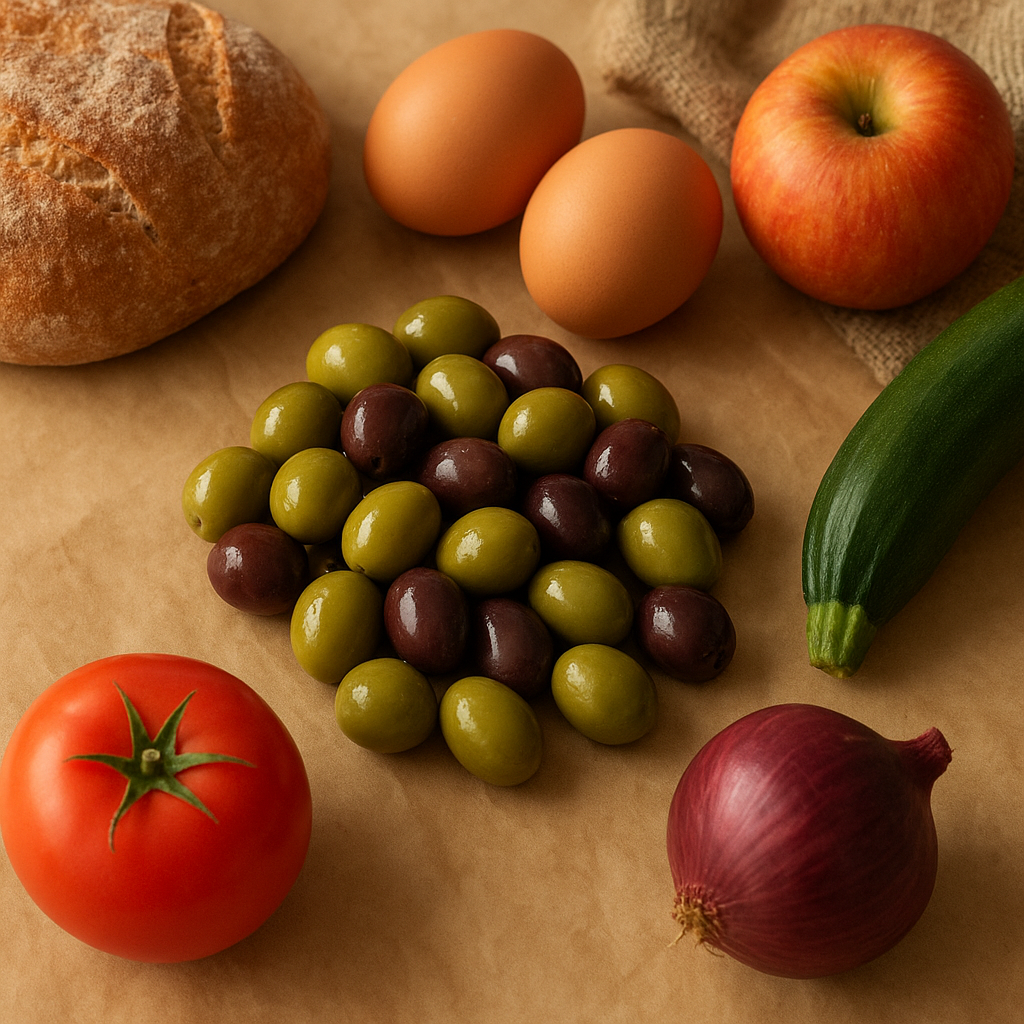
What it is
These are small, firm green olives, native to Spain. They are known for their smooth texture and mild, slightly bitter flavor. Manzanilla olives are typically cured in brine, which preserves them and imparts a characteristic salty taste. They are a popular choice for snacking and as an ingredient in various dishes. Their size makes them easy to pit and use in recipes.
How people cook with it
Manzanilla olives are versatile and can be enjoyed in many ways. They add a distinct flavor to both simple and complex dishes.
- Garnish for cocktails
- Stuffing for appetizers
- Adding to salads
- Incorporating into stews
To prepare manzanilla olives for cooking, you can rinse them under cold water to remove excess brine. If they are whole, you may need to pit them using an olive pitter or by pressing them gently with the flat side of a knife. They can be added directly to dishes like pasta sauces, stews, or casseroles towards the end of cooking to retain their texture. For salads, they can be sliced or left whole. They are also excellent when stuffed with pimento, anchovies, or cheese for a flavorful appetizer.
How it differs from similar foods
Compared to larger olive varieties like Kalamata or Castelvetrano, manzanilla olives are smaller and have a firmer texture. Their flavor is generally milder and less intensely fruity than some other types, with a pleasant brininess that is not overpowering.
Who it is for
Home cooks and professional chefs often use manzanilla olives for their distinct flavor and texture.
How to keep the rest
After opening the original packaging, transfer any remaining manzanilla olives to an airtight container. Submerge them in their original brine or a fresh brine solution (about 1 tablespoon of salt per cup of water). Store in the refrigerator for up to two weeks to maintain their freshness and flavor.