
Grocery
Spaghetti Pasta
What it is
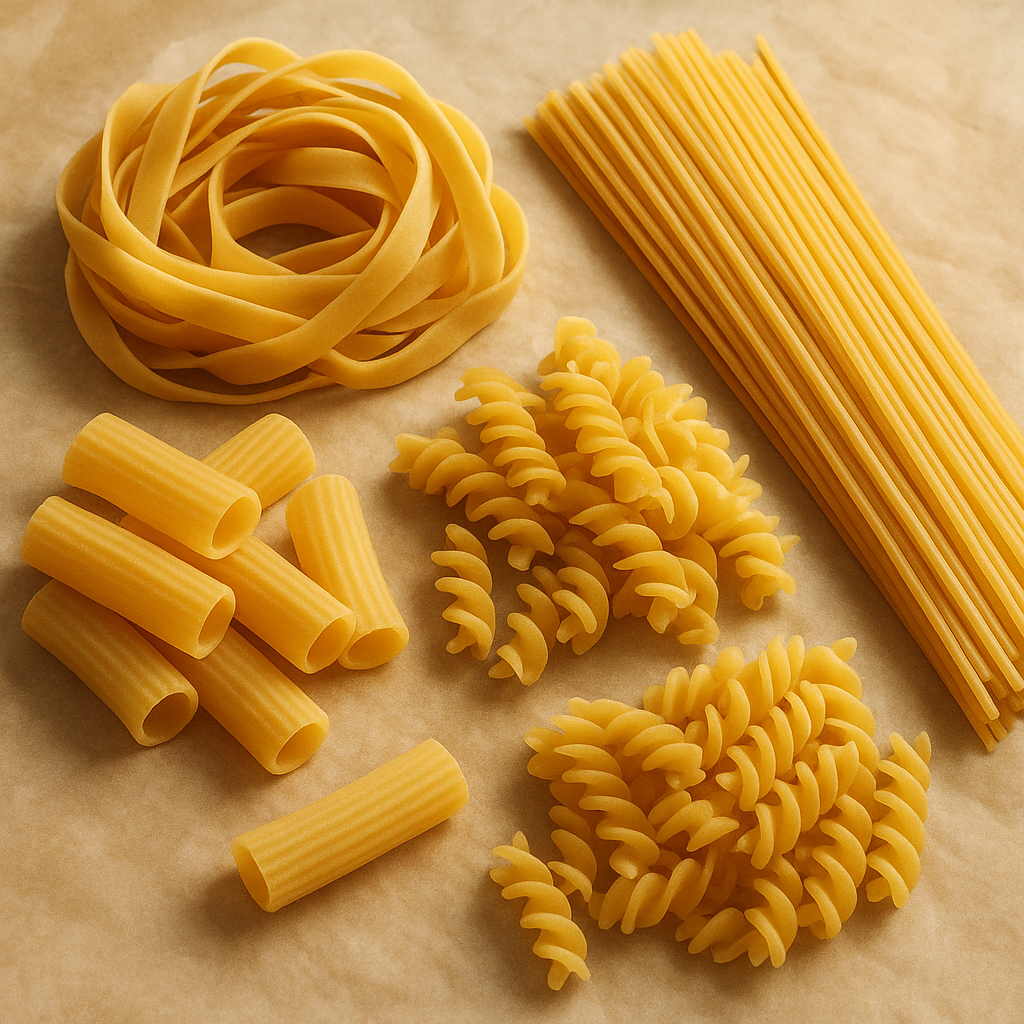
This is a type of pasta made from durum wheat semolina. It is shaped into long, thin, solid, cylindrical strands. Spaghetti is a staple food in many cuisines, particularly Italian cooking. It is known for its versatility and ability to pair with a wide variety of sauces and ingredients. The texture is firm when cooked al dente, providing a satisfying bite.
How people cook with it
Spaghetti is a foundational ingredient for countless dishes. It serves as the perfect base for both simple and complex meals.
- With marinara sauce
- In baked pasta dishes
- With pesto
- In soups
To prepare spaghetti, bring a large pot of generously salted water to a rolling boil. Add the spaghetti to the boiling water, stirring occasionally to prevent sticking. Cook according to package directions until it reaches the desired tenderness, typically al dente. Drain the pasta well, reserving some of the cooking water. Toss the drained spaghetti immediately with your chosen sauce, adding a little reserved pasta water if needed to help the sauce adhere and create a smooth consistency.
How it differs from similar foods
Compared to other pasta shapes like penne or fusilli, spaghetti's long, thin strands offer a different mouthfeel. It is also more prone to clumping if not stirred properly during cooking. Its shape makes it ideal for lighter, oil-based, or tomato-based sauces that can coat each strand.
Who it is for
Home cooks and professional chefs alike use spaghetti to create a wide range of meals.
How to keep the rest
Store uncooked spaghetti in a cool, dry place, such as a pantry, in its original packaging or an airtight container. Once cooked, leftover spaghetti should be refrigerated promptly in a sealed container and consumed within a few days.