
Grocery
Spaghetti Pasta
What it is
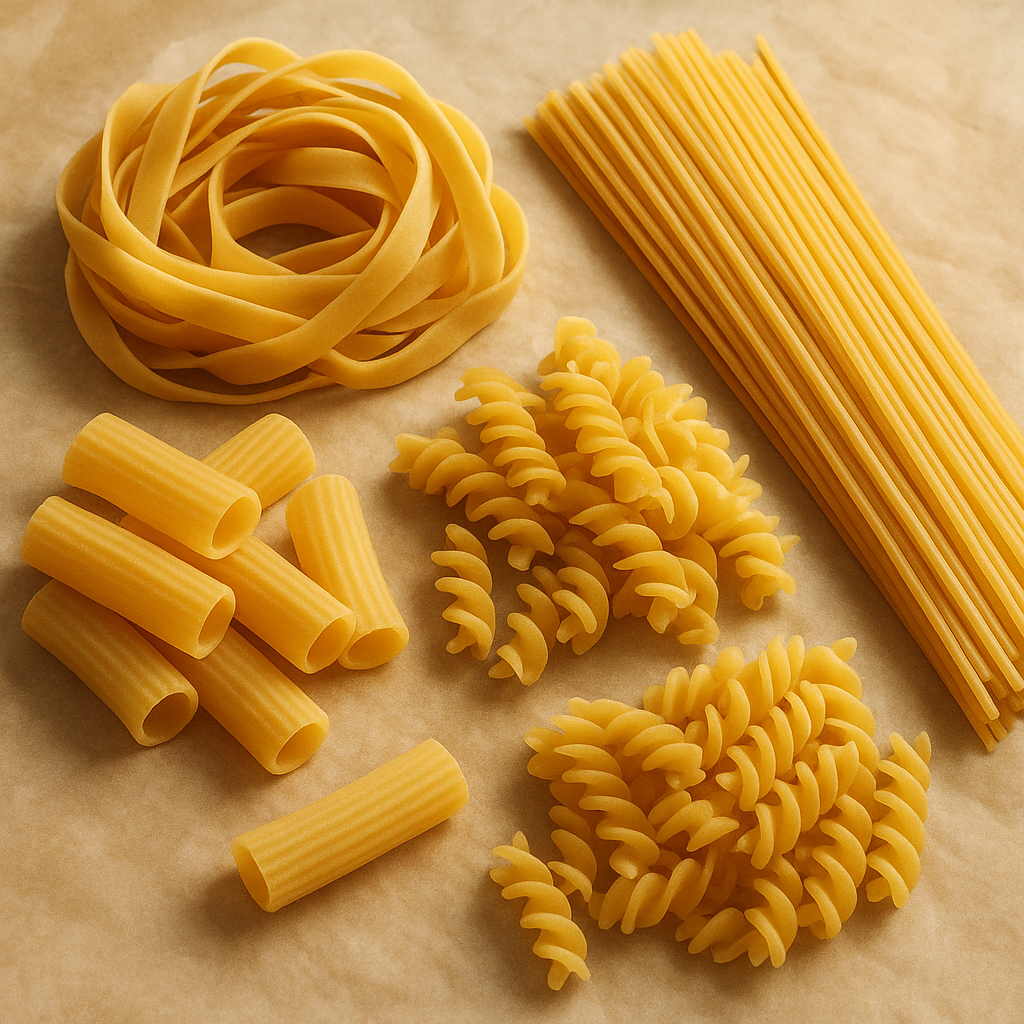
This is a type of pasta made from durum wheat semolina and water. It is a long, thin, solid, cylindrical noodle. It is a staple food in Italian cuisine and is enjoyed worldwide. This pasta is a versatile ingredient that can be used in many different dishes. It is a good source of carbohydrates, providing energy for the body. The texture of the pasta is important for holding sauces.
How people cook with it
Spaghetti is commonly served with a variety of sauces. It is a popular choice for weeknight meals and special occasions.
- With marinara sauce
- With pesto
- In baked dishes
- With meatballs
To prepare spaghetti, bring a large pot of salted water to a rolling boil. Add the spaghetti and stir occasionally to prevent sticking. Cook according to package directions until al dente, which means it is tender but still firm to the bite. Drain the pasta well, reserving some of the cooking water. Toss the drained spaghetti with your chosen sauce immediately. The reserved pasta water can be added to the sauce to help it emulsify and coat the pasta more evenly.
How it differs from similar foods
Compared to other pasta shapes, spaghetti's long, thin strands are ideal for clinging to lighter, smoother sauces like tomato-based or oil-based preparations. Thicker pastas might be better suited for heartier, chunkier sauces.
Who it is for
Home cooks and professional chefs prepare spaghetti for family dinners and restaurant menus.
How to keep the rest
Store uncooked spaghetti in a cool, dry place, such as a pantry, in its original packaging or an airtight container. Once cooked, refrigerate any leftovers in a sealed container. It should be consumed within a few days.