
Grocery
Spaghetti Pasta
What it is
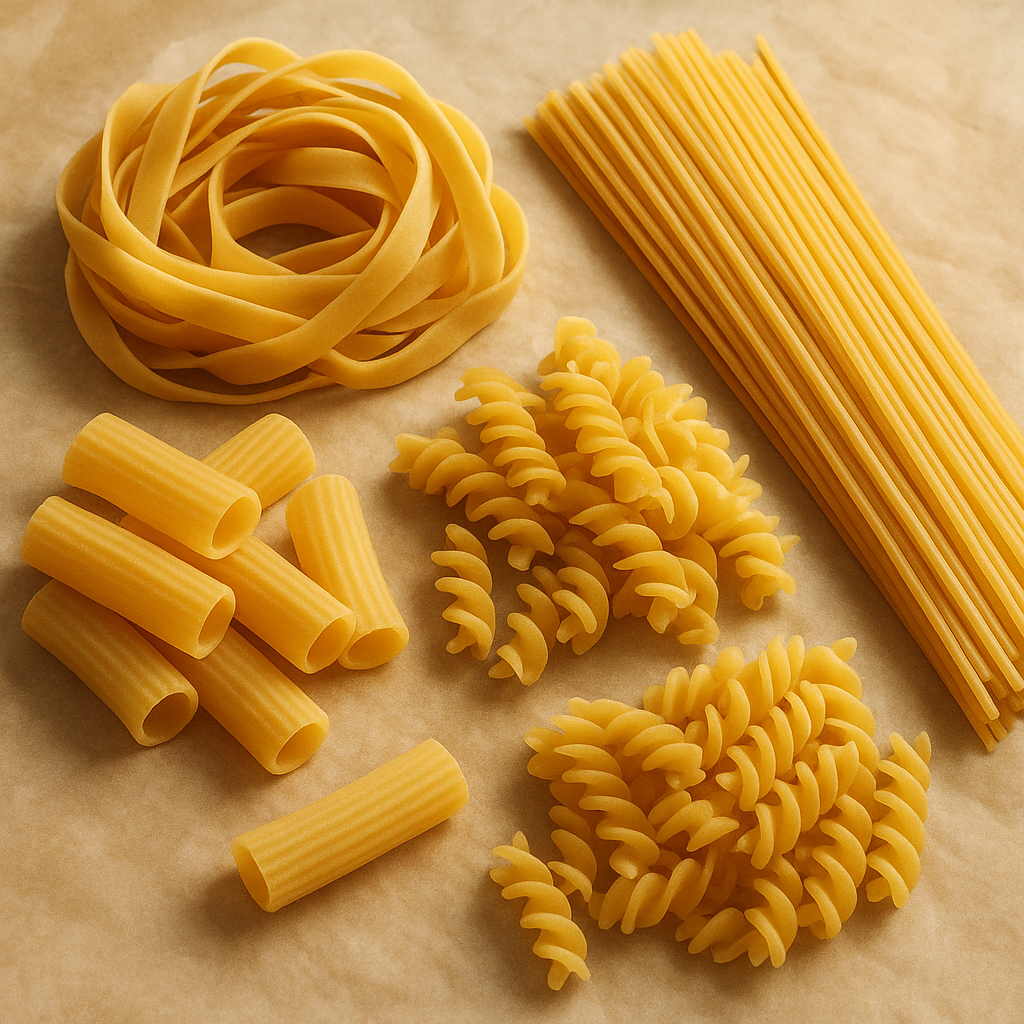
Spaghetti is a long, thin, solid, cylindrical pasta. It is a staple food of Italian cuisine. The name "spaghetti" is the plural of the Italian word "spaghetto," which is a diminutive of "spago," meaning "thin string" or "twine." It is typically made from durum wheat semolina and water. The shape allows it to hold sauces well.
How people cook with it
Spaghetti is a versatile pasta that serves as the base for many popular dishes. It pairs wonderfully with a wide range of sauces.
- With marinara sauce
- With pesto
- With meat sauce
- With seafood
To prepare spaghetti, bring a large pot of generously salted water to a rolling boil. Add the spaghetti, stirring occasionally to prevent sticking. Cook according to package directions until al dente, which means it is tender but still has a slight bite. Drain the pasta well, reserving some of the cooking water. Toss the drained spaghetti immediately with your chosen sauce, adding a little reserved pasta water if needed to help the sauce coat the strands evenly. Serve hot.
How it differs from similar foods
Compared to other pasta shapes like penne or fusilli, spaghetti's long, thin strands are ideal for clinging to lighter, oil-based, or tomato-based sauces. Thicker shapes might be better suited for heartier, chunkier sauces.
Who it is for
Home cooks and professional chefs prepare spaghetti for family meals and restaurant service.
How to keep the rest
Store uncooked spaghetti in a cool, dry place, such as a pantry, in its original packaging or an airtight container. Once cooked, refrigerate any leftovers in a sealed container for up to 3-4 days.