
Grocery
Classic Soy Sauce for Everyday Cooking
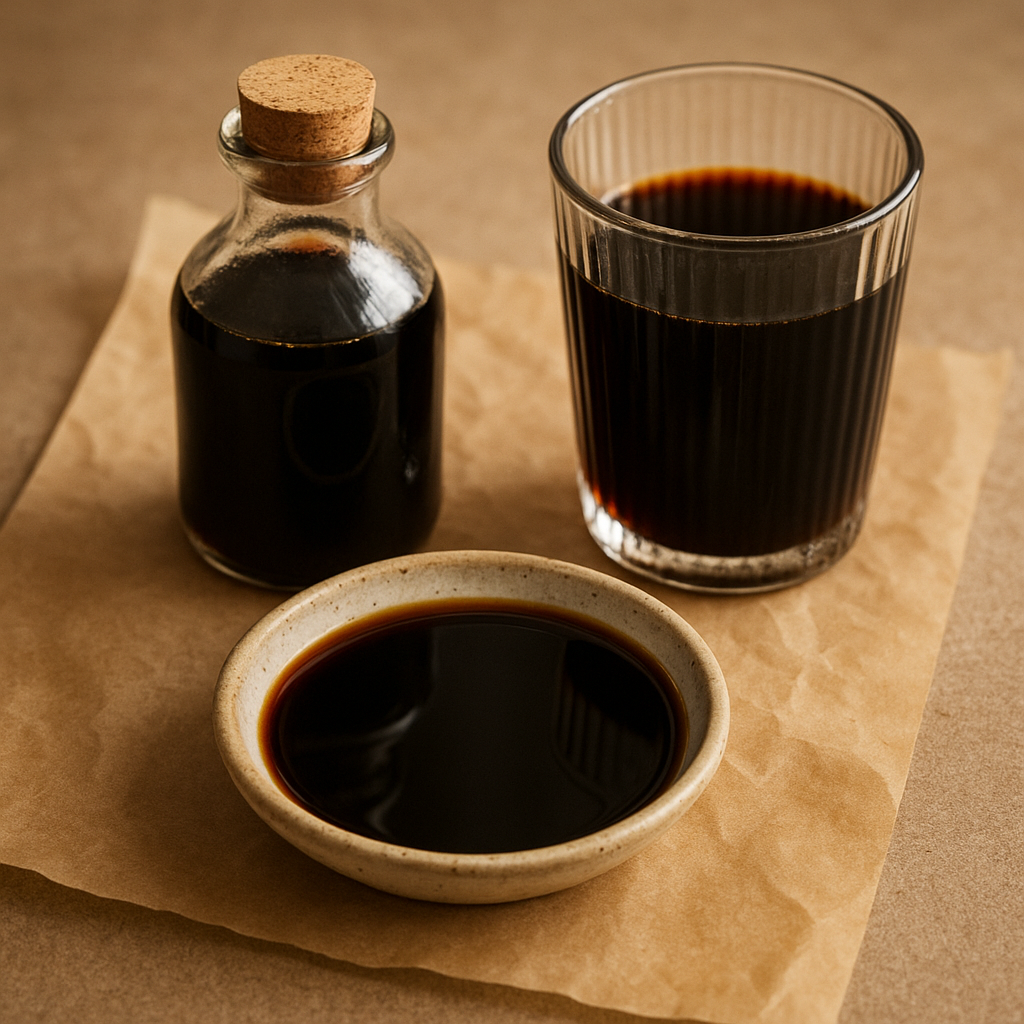
What it is
This is a staple condiment made from fermented soybeans, wheat, salt, and water. It is a dark, savory liquid with a distinct umami flavor. The fermentation process develops its complex taste and aroma, making it a cornerstone of many cuisines worldwide. Its rich color also contributes to the visual appeal of dishes.
How people cook with it
Soy sauce is incredibly versatile, adding depth and saltiness to a wide range of culinary creations. It is used both as an ingredient during cooking and as a finishing condiment.
- Marinades for meats and tofu
- Dipping sauce for sushi
- Seasoning for stir-fries
- Base for salad dressings
In the kitchen, soy sauce can be incorporated into marinades to tenderize and flavor proteins before cooking. It is a key component in many stir-fry sauces, providing a salty and savory foundation. It can also be added to soups, stews, and braises to deepen their flavor profiles. As a finishing touch, a drizzle over steamed vegetables or rice adds an immediate burst of taste. It is also a common ingredient in homemade dipping sauces and vinaigrettes.
How it differs from similar foods
Compared to other soy sauces, this original variety typically offers a balanced flavor profile. It is not as sweet as some teriyaki-style sauces, nor as intensely salty as a dark soy sauce. Its moderate saltiness and rich umami make it suitable for a broad spectrum of applications.
Who it is for
Home cooks and professional chefs alike rely on this condiment for its foundational flavor.
How to keep the rest
After opening, store the soy sauce in a cool, dark place, such as a pantry or cupboard, to maintain its quality. Ensure the cap is tightly sealed to prevent oxidation and preserve its flavor. Refrigeration is not typically necessary but can extend its shelf life further.