
Grocery
Umami-Rich Soy Sauce for Everyday Cooking
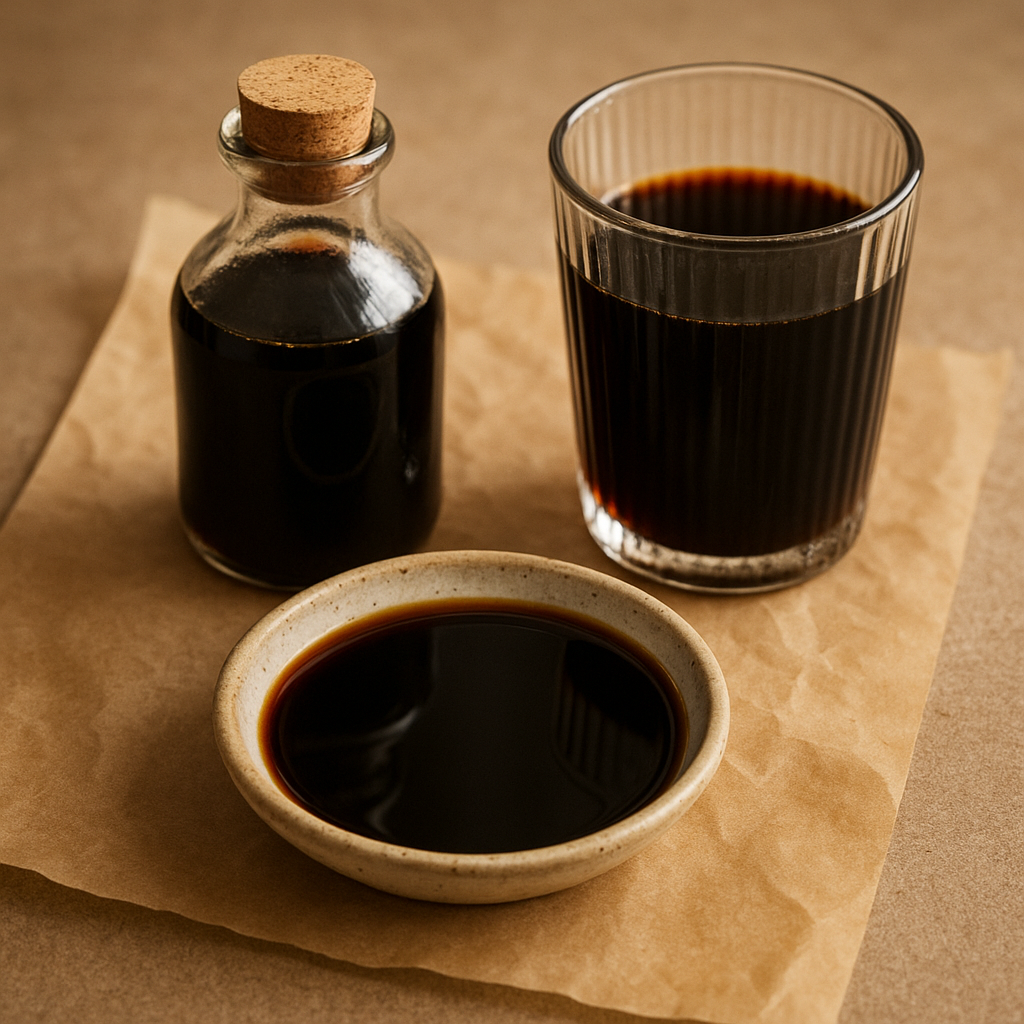
What it is
This is a fermented sauce made from soybeans, wheat, salt, and water. It is a staple in many cuisines, providing a deep, savory flavor and a dark color to dishes. The fermentation process develops its complex taste profile, which is both salty and subtly sweet. It is a versatile ingredient that can be used in a wide variety of culinary applications, adding depth and richness to both simple and elaborate meals. Its liquid form makes it easy to incorporate into marinades, dressings, and sauces.
How people cook with it
Soy sauce is a fundamental seasoning used to enhance the flavor of many dishes. It can be used as a dipping sauce or incorporated directly into cooking.
- Marinades for meats
- Dipping for sushi
- Seasoning stir-fries
- Dressing for salads
In cooking, soy sauce is often added during the sautéing or simmering stages to infuse ingredients with its characteristic flavor. It can be used to deglaze pans, adding a rich base to sauces. For marinades, it helps tenderize meats while imparting savory notes. As a finishing touch, a drizzle can brighten the taste of finished dishes. It is also a key component in many dipping sauces, often combined with ingredients like ginger, garlic, or chili for added complexity. Its saltiness means it can often replace or reduce the need for additional salt in recipes.
How it differs from similar foods
Different types of soy sauce exist, varying in saltiness, sweetness, and color. This particular variety offers a balanced flavor profile suitable for general cooking. It is less sweet than some Asian varieties and less intensely salty than others, making it broadly applicable. Its color is a deep brown, contributing to the visual appeal of dishes.
Who it is for
Home cooks and professional chefs alike use soy sauce to add depth and complexity to their culinary creations.
How to keep the rest
To maintain its quality, store unopened bottles in a cool, dark place. Once opened, refrigerate the soy sauce to preserve its flavor and prevent spoilage. Ensure the cap is tightly sealed after each use. Properly stored, it will retain its characteristic taste for an extended period.