
Grocery
Classic Soy Sauce
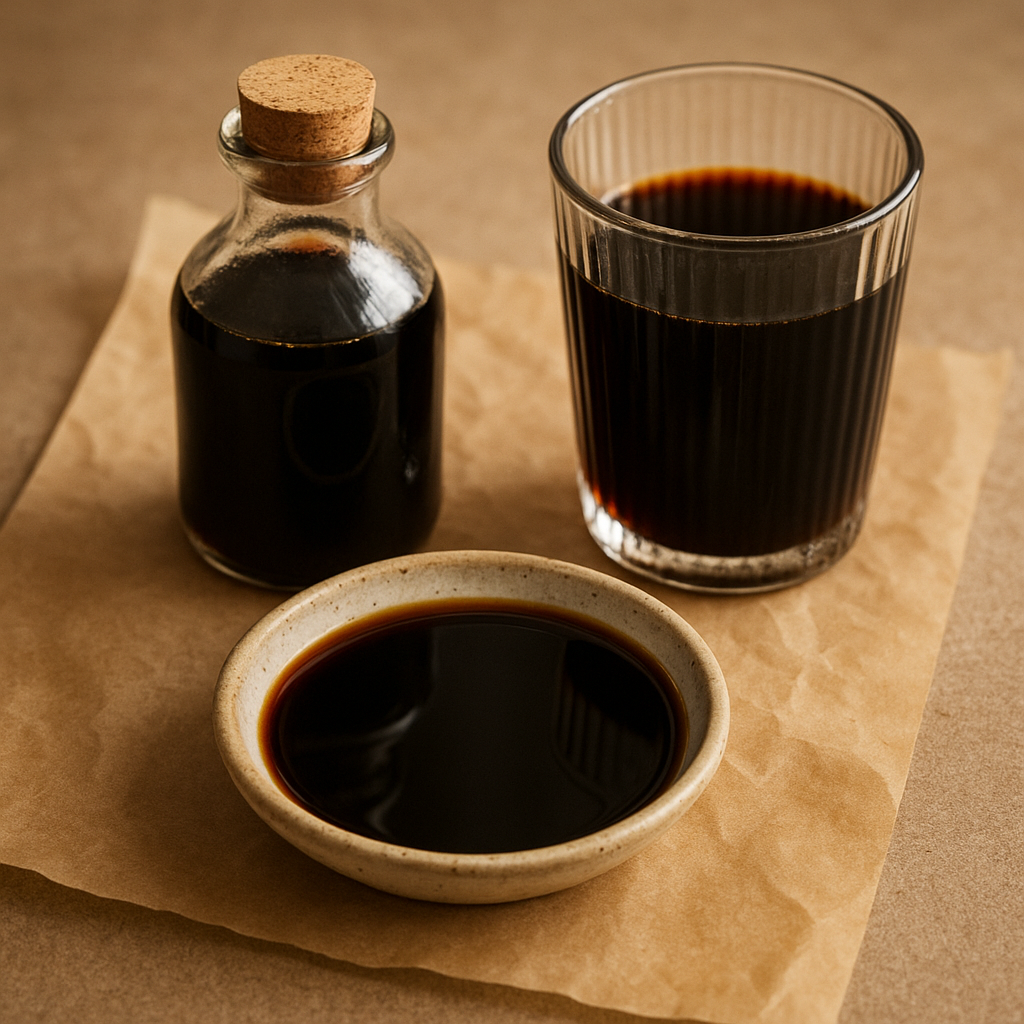
What it is
This is a fundamental condiment in many cuisines, particularly East Asian. It is a dark, savory liquid made from fermented soybeans, roasted grain, brine, and Aspergillus molds. The fermentation process develops its complex umami flavor and distinctive aroma. It is a staple ingredient used to add depth and saltiness to a wide variety of dishes, enhancing their overall taste profile. Its rich color also contributes visually to the presentation of food.
How people cook with it
Soy sauce is incredibly versatile, serving as a base for marinades, a dipping sauce, or an ingredient to enrich broths and stir-fries.
- Marinades for meats
- Dipping sauce for sushi
- Seasoning for stir-fries
- Flavoring for soups
Begin by understanding its potent flavor. A little goes a long way. When marinating, incorporate it with other ingredients like garlic, ginger, or honey to create a balanced taste. For stir-fries, add it towards the end of cooking to preserve its aroma and flavor. It can also be whisked into salad dressings or used to deglaze a pan after searing meat. Experiment with different amounts to achieve your desired level of saltiness and umami.
How it differs from similar foods
Compared to lighter soy sauces, this variety typically has a deeper color and a more robust, salty flavor. It is often used for its darker hue and more intense taste, whereas lighter versions might be preferred for a subtler saltiness and brighter color.
Who it is for
Home cooks and professional chefs alike rely on this ingredient for its foundational flavor.
How to keep the rest
After opening, store the bottle in a cool, dark place, such as a pantry. Refrigeration is often recommended to maintain its freshness and prevent potential spoilage over time, especially in warmer climates. Ensure the cap is tightly sealed between uses.