
Grocery
Classic Soy Sauce
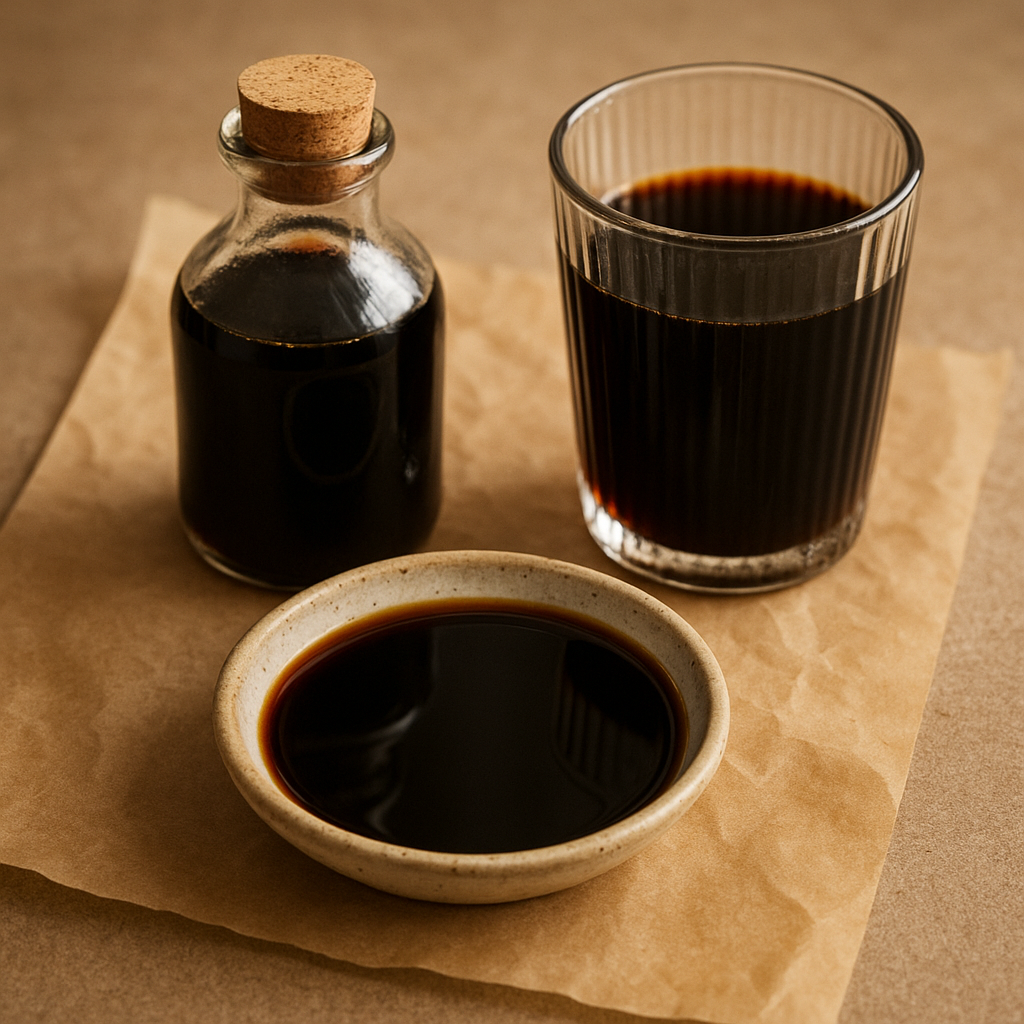
What it is
This is a common pantry staple, a liquid condiment made from fermented soybeans, wheat, salt, and water. It has a dark brown color and a distinct savory, umami flavor. Its complex taste comes from the fermentation process, which breaks down the proteins in the soybeans into amino acids. It is a fundamental ingredient in many Asian cuisines and is used globally to add depth and richness to dishes.
How people cook with it
Soy sauce is incredibly versatile, lending its unique flavor to a wide range of culinary applications.
- Marinades for meat and tofu
- Dipping sauce for sushi
- Flavor enhancer in stir-fries
- Base for salad dressings
You can incorporate soy sauce into your cooking in numerous ways. Use it as a base for marinades, combining it with ingredients like garlic, ginger, and honey to tenderize and flavor meats and vegetables before cooking. It's also excellent added directly to stir-fries during the cooking process to build layers of savory taste. For dipping, it's a classic pairing with dumplings, spring rolls, and sushi. It can also be whisked into vinaigrettes or used to deglaze pans after searing proteins, capturing all the flavorful bits.
How it differs from similar foods
Compared to other soy sauces, this one offers a balanced flavor profile. It is not overly salty or sweet, making it a good all-purpose choice. Some soy sauces are lighter in color and flavor, while others are thicker and more intensely seasoned. This version strikes a middle ground, suitable for everyday cooking.
Who it is for
Home cooks and professional chefs alike rely on soy sauce to elevate their dishes.
How to keep the rest
To maintain its quality, store the unopened bottle in a cool, dark pantry. Once opened, it's best to refrigerate the soy sauce to preserve its flavor and prevent spoilage. Ensure the cap is tightly sealed after each use to keep out air and moisture.