
Kemps, Kemps Llc · 30 g
Kemps Sour Cream
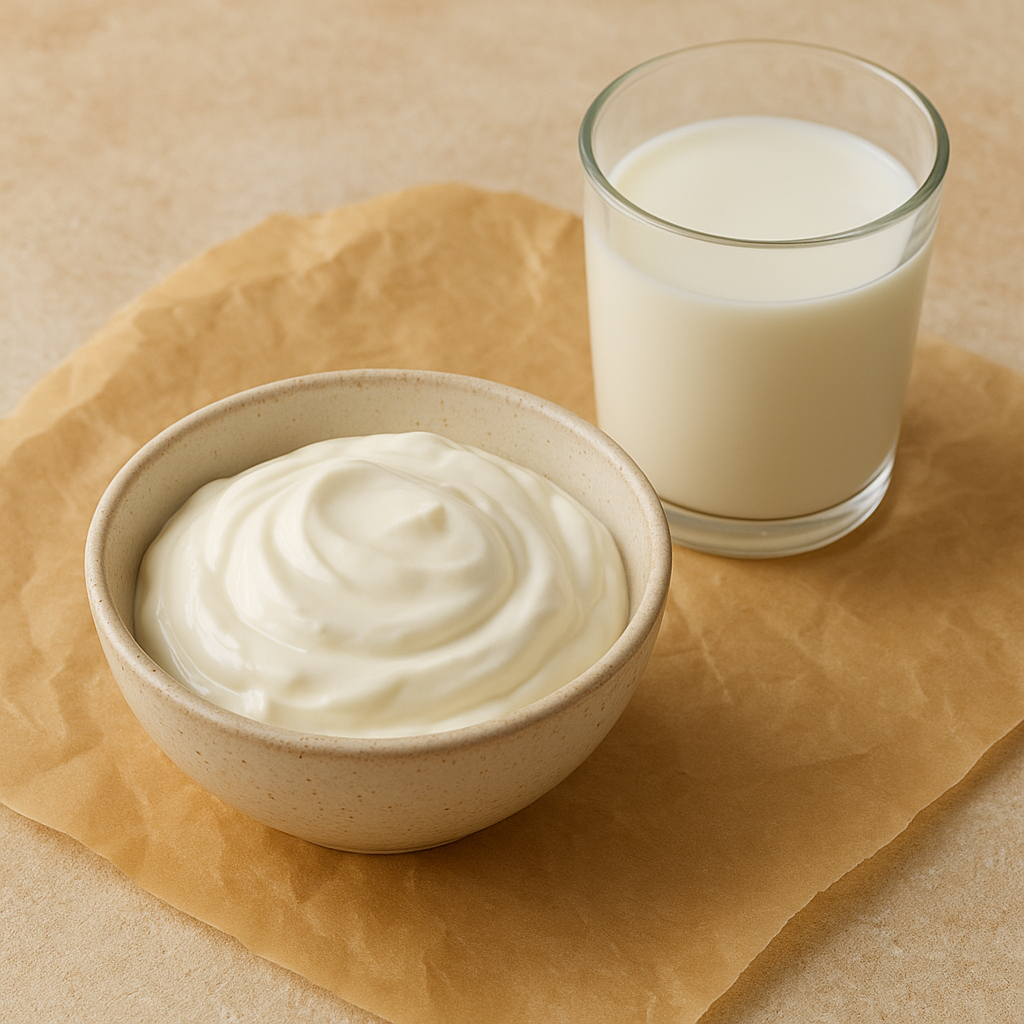
What it is
This is a cultured dairy product made by fermenting regular cream with specific lactic acid bacteria. The fermentation process gives it a characteristic tangy flavor and a thick, creamy texture. It is a common ingredient in many recipes and a popular topping for various dishes. The bacteria convert lactose, the natural sugar in cream, into lactic acid, which thickens the cream and adds its signature sour taste.
How people cook with it
Sour cream is a versatile ingredient that can be used in both sweet and savory applications. It adds richness and a subtle tang to a wide range of foods.
- Topping for baked potatoes
- Ingredient in dips and spreads
- Enriching sauces and soups
- Baking cakes and muffins
Sour cream can be dolloped directly onto hot dishes like chili or tacos, or stirred into sauces and gravies to add body and a creamy finish. When baking, it can be incorporated into batters to contribute moisture and tenderness to cakes, muffins, and quick breads. It also forms the base for many popular dips and salad dressings, often combined with herbs, spices, or other flavorings. Its tanginess balances rich flavors and can cut through sweetness in desserts.
How it differs from similar foods
Compared to other dairy products like yogurt or crème fraîche, sour cream typically has a milder tang and a smoother, less watery consistency. Yogurt can be more acidic and sometimes has a firmer set. Crème fraîche is richer and less tart, often used in more delicate preparations where a pronounced sourness is not desired.
Who it is for
Home cooks and professional chefs alike use sour cream to enhance the flavor and texture of their culinary creations.
How to keep the rest
After opening, it is best to keep the remaining sour cream refrigerated in its original container. Ensure the lid is tightly sealed to prevent it from absorbing odors from other foods in the refrigerator. Consume within the recommended timeframe after opening for optimal freshness and quality.