
Grocery
Creamy Sour Cream for Everyday Cooking
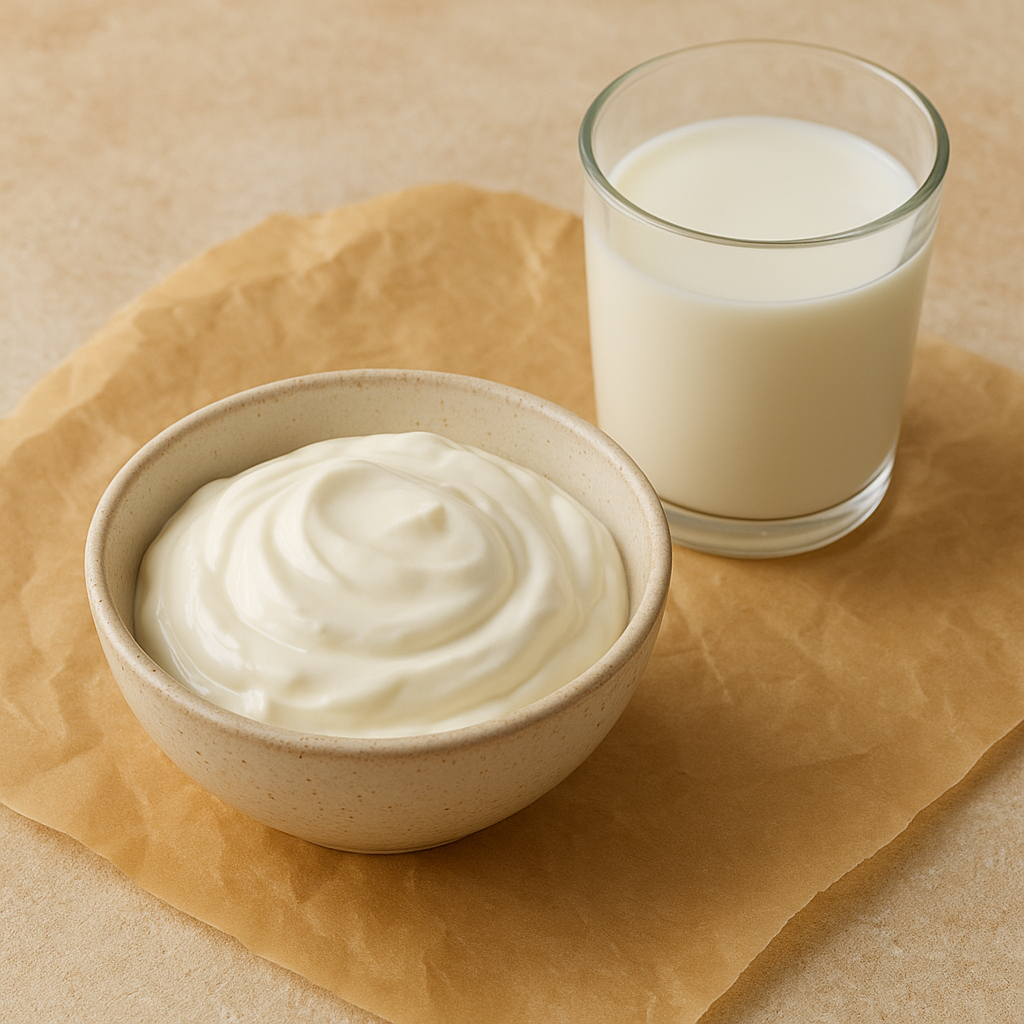
What it is
This is a cultured dairy product made by fermenting regular cream with specific lactic acid bacteria. The fermentation process gives it a characteristic tangy flavor and a thick, smooth texture. It is a versatile ingredient commonly found in kitchens for both sweet and savory applications. Its richness comes from the fat content of the cream used in its production.
How people cook with it
Sour cream adds a delightful richness and a touch of tang to a wide variety of dishes. It can be used as a topping, a base for sauces, or incorporated directly into batters and doughs.
- Topping for baked potatoes
- Base for dips and dressings
- Ingredient in baked goods
- Swirled into soups
When baking, sour cream can be mixed into batters for cakes, muffins, and quick breads to contribute moisture and tenderness. In savory cooking, it is often stirred into chilis, stews, and soups just before serving to add a creamy finish and a subtle tang. It can also be blended with herbs and spices to create flavorful dips or used as a binder in casseroles. For a simple garnish, a dollop on top of enchiladas or tacos is a classic choice.
How it differs from similar foods
Compared to crème fraîche, sour cream typically has a lower fat content and a more pronounced tang due to the specific cultures used. It is also generally thinner than crème fraîche, making it easier to incorporate into lighter sauces and dressings where a less dense richness is desired.
Who it is for
Home cooks and professional chefs alike use sour cream to enhance the flavor and texture of their culinary creations.
How to keep the rest
To maintain its freshness, keep the sour cream refrigerated in its original container. Ensure the lid is tightly sealed after each use to prevent it from absorbing odors from other foods. It is best to consume it by the date indicated on the packaging for optimal quality.