
Grocery
Creamy Sour Cream
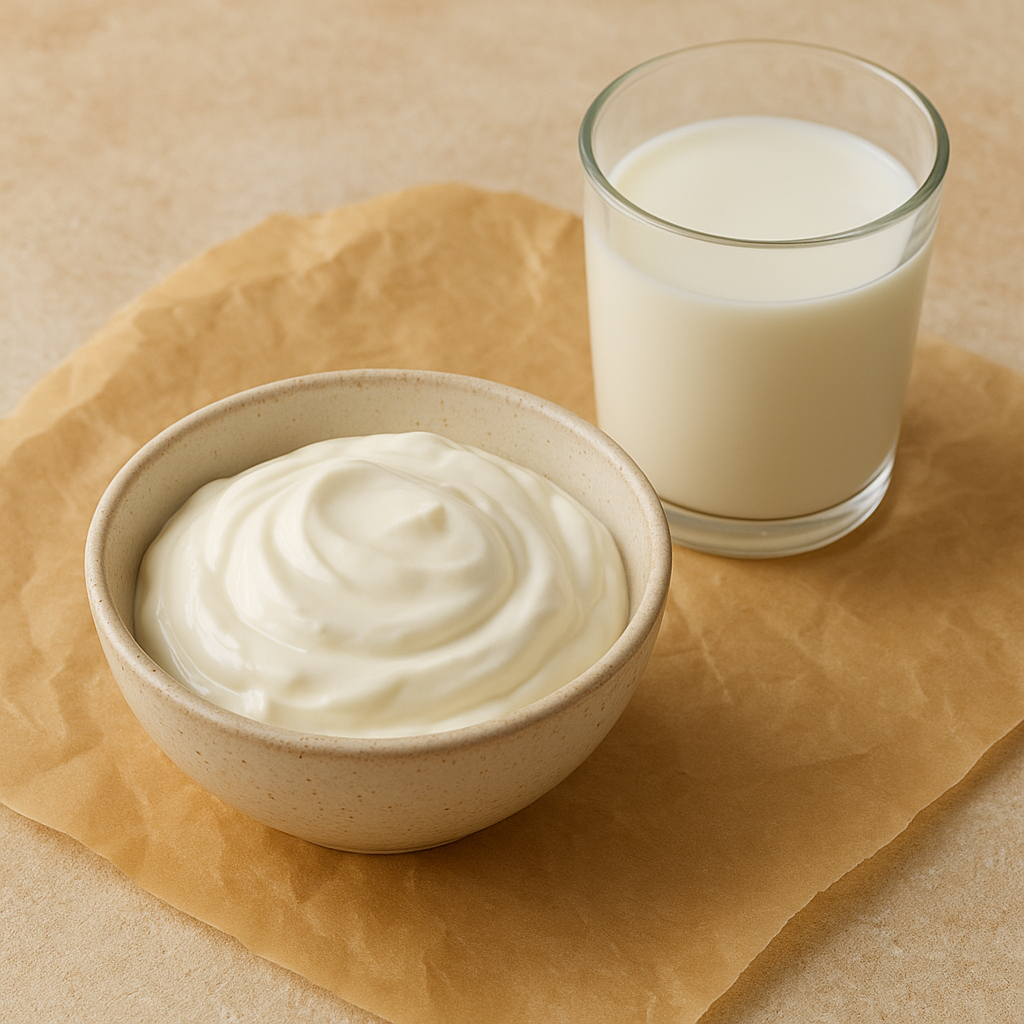
What it is
This is a dairy product made by fermenting regular cream with certain kinds of lactic acid bacteria. The bacteria produce lactic acid, which sours and thickens the cream. It has a tangy flavor and a smooth, rich texture. It is a common ingredient in many cuisines around the world. It is often sold in tubs or containers.
How people cook with it
Sour cream adds a rich flavor and creamy texture to a wide variety of dishes. It can be used as a topping, a base for sauces, or an ingredient in baked goods.
- Topping for baked potatoes
- Base for dips and dressings
- Ingredient in cakes and muffins
- Swirled into soups and stews
Sour cream is incredibly versatile in the kitchen. It can be dolloped directly onto hot dishes like chili or tacos to add a cooling contrast and a touch of richness. When making dips, it forms the creamy foundation for many popular spreads, often blended with herbs, spices, or other flavorings. In baking, it contributes moisture and tenderness to cakes, muffins, and quick breads, resulting in a finer crumb. It can also be whisked into sauces and gravies to enrich their texture and flavor profile, though it is best added towards the end of cooking to prevent curdling.
How it differs from similar foods
Compared to other dairy products like yogurt or crème fraîche, sour cream typically has a milder tang and a thicker consistency. Yogurt often has a more pronounced sourness and can be thinner. Crème fraîche is richer and less acidic, making it ideal for cooking without curdling.
Who it is for
Home cooks and professional chefs alike use sour cream to enhance the flavor and texture of their culinary creations.
How to keep the rest
After opening, keep the remaining sour cream tightly covered in the refrigerator. It is best to consume it within the recommended timeframe on the packaging to ensure freshness and quality. Avoid leaving it at room temperature for extended periods.