
Grocery
Creamy Sour Cream
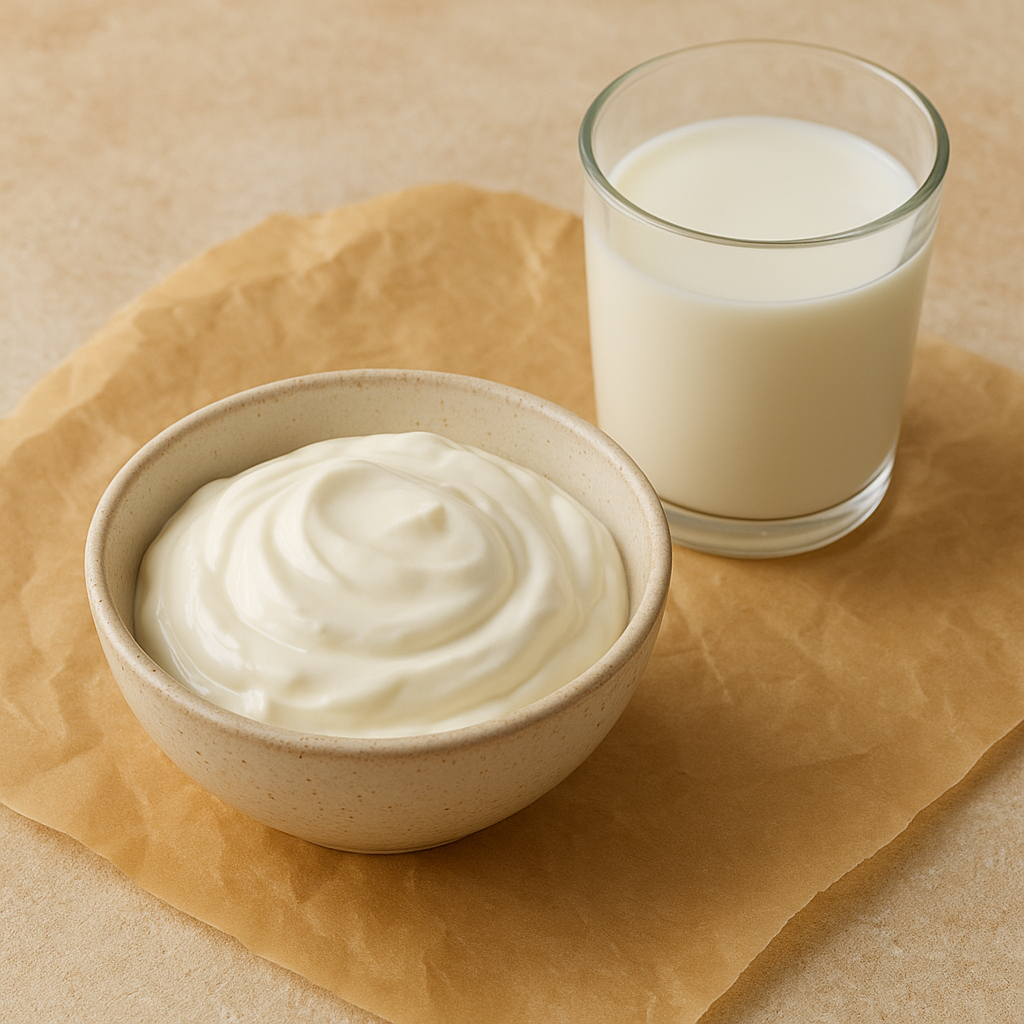
What it is
This is a cultured dairy product made by fermenting regular cream with certain kinds of lactic acid bacteria. The bacteria produce lactic acid, which sours and thickens the cream. It has a smooth texture and a tangy flavor that is characteristic of its fermentation process. This ingredient is a versatile staple in many kitchens, adding richness and depth to a wide range of dishes.
How people cook with it
Sour cream is a popular ingredient for both cooking and baking. It can be used to add moisture and tenderness to baked goods or to create rich sauces and dips.
- Topping for baked potatoes
- Base for creamy dips
- Ingredient in baked goods
- Sauce thickener
Sour cream can be stirred into hot dishes just before serving to add creaminess without curdling, especially if tempered first by mixing a small amount into the sour cream before adding the rest. It is excellent folded into batters for cakes and muffins to create a tender crumb. It also forms the base for many cold dips and salad dressings, where its tanginess complements other flavors. When making casseroles or gratins, it can be incorporated to enrich the sauce.
How it differs from similar foods
Compared to plain yogurt, sour cream has a higher fat content and a less pronounced tangy flavor. It is also thicker than milk or cream. Its cultured nature gives it a distinct taste profile that is different from simply adding heavy cream.
Who it is for
Home cooks and professional chefs alike use sour cream to enhance the flavor and texture of their dishes.
How to keep the rest
After opening, keep the container tightly sealed and refrigerate. It is best to consume the remaining sour cream within the recommended timeframe on the packaging to ensure freshness and quality. Proper storage prevents spoilage and maintains its creamy texture.