
Food Club
Food Club Sour Cream
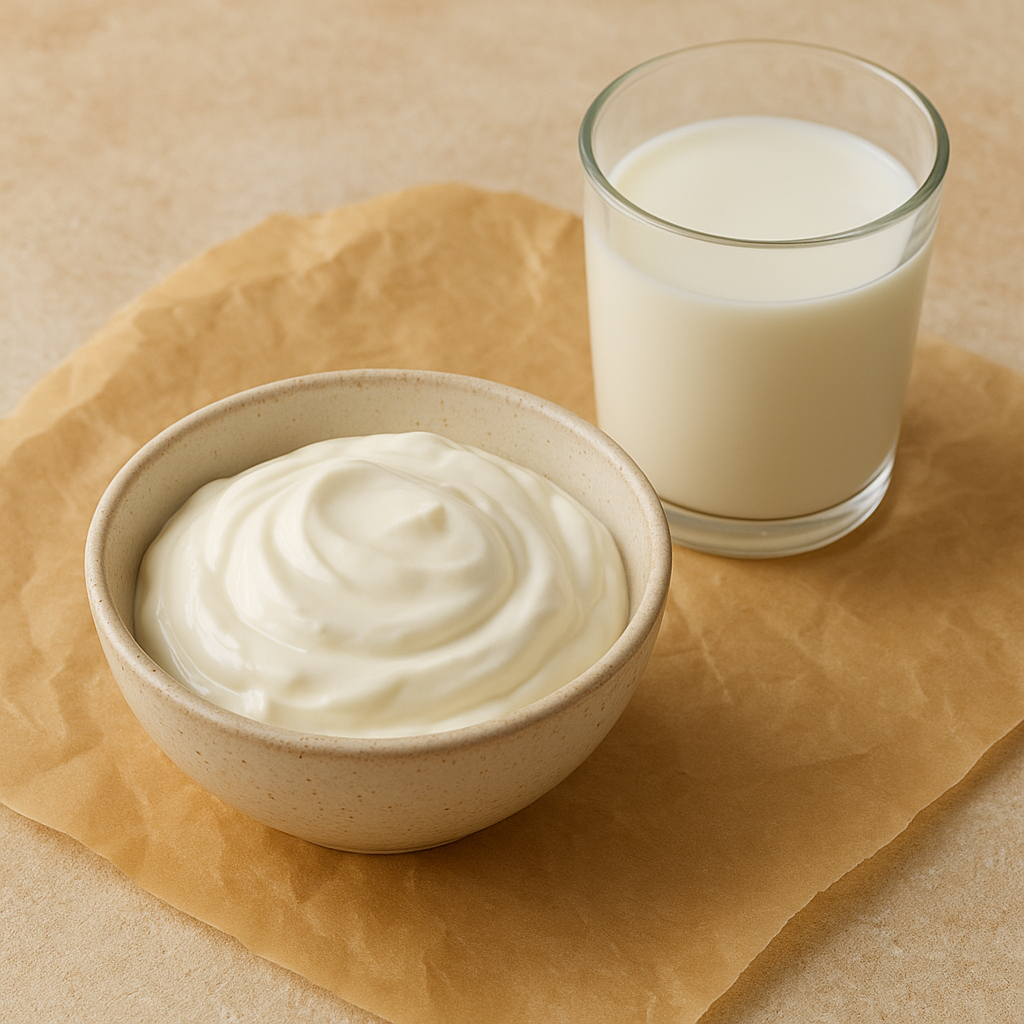
What it is
This is a dairy product made by fermenting regular cream with lactic acid bacteria. The fermentation process gives it a characteristic tangy flavor and thick texture. It is a common ingredient in many recipes and a popular condiment. The fat content can vary, affecting its richness and how it behaves when heated.
How people cook with it
Sour cream is incredibly versatile in the kitchen. It can be used to add richness to savory dishes or a creamy tang to baked goods.
- Topping for baked potatoes
- Ingredient in dips and sauces
- Enriching soups and stews
- Adding moisture to cakes and muffins
When cooking, sour cream can be stirred into hot dishes just before serving to prevent curdling, especially if the dish is acidic. It can also be incorporated into batters for baked goods, where it contributes to a tender crumb and moist texture. For cold applications like dips and dressings, it provides a smooth, creamy base. Its tanginess balances out richer flavors and adds depth to many preparations.
How it differs from similar foods
Compared to plain yogurt, sour cream typically has a higher fat content and a smoother, less acidic taste. Crème fraîche is similar but generally richer and less tangy than sour cream. The specific fat percentage in sour cream can influence its performance in cooking and baking.
Who it is for
Home cooks and professional chefs alike use sour cream for its flavor and texture.
How to keep the rest
Keep refrigerated. Once opened, store the remaining sour cream in its original container, tightly covered, in the refrigerator. It is best used within the recommended timeframe on the packaging to maintain its quality and freshness.