
Grocery · 16 oz
Sour Cream
What it is
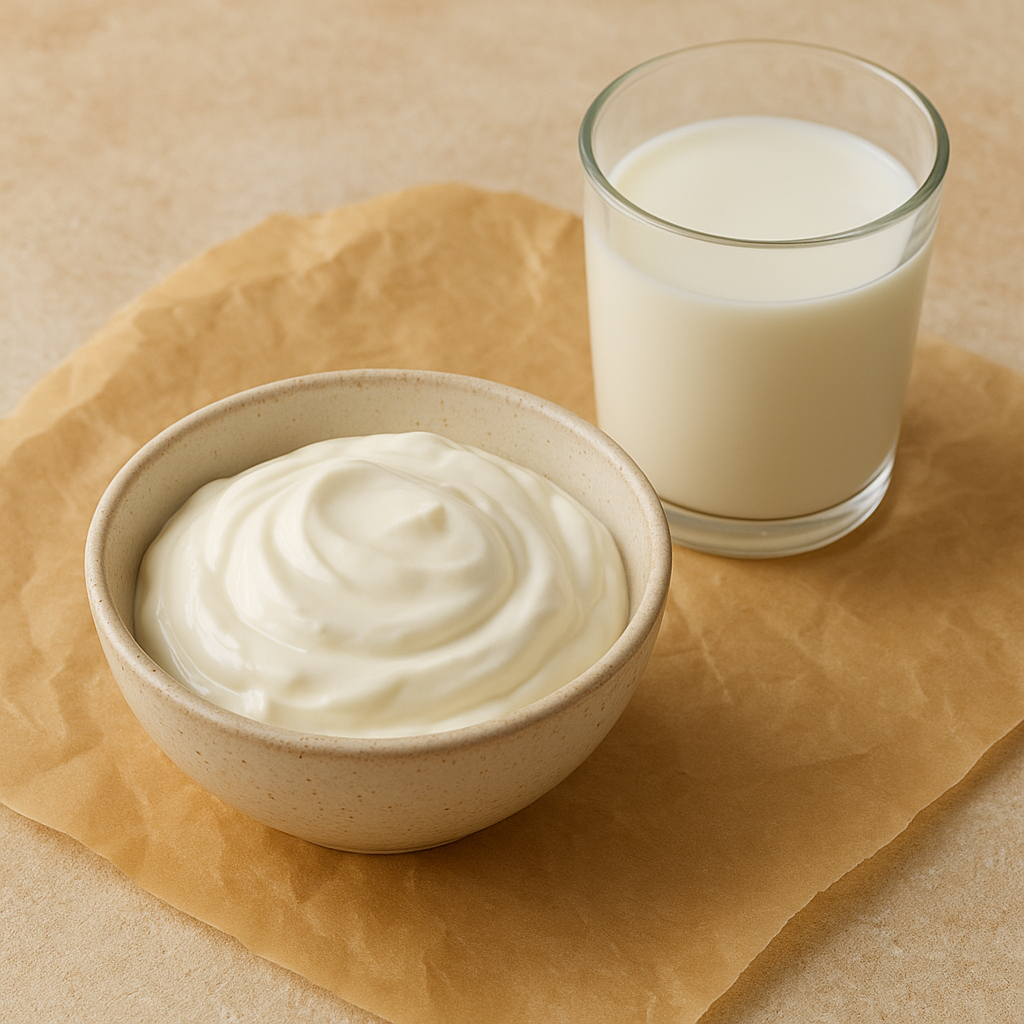
Sour cream is a dairy product made by fermenting regular cream with certain kinds of lactic acid bacteria. This process sours and thickens the cream, giving it a characteristic tangy flavor and a smooth, creamy texture. It is a common ingredient in many cuisines, valued for its rich taste and versatility in both sweet and savory dishes. The fat content can vary, influencing its richness and how it behaves when heated.
How people cook with it
Sour cream is a staple in many kitchens, used to add richness and a touch of tang to a wide range of foods.
- Topping for baked potatoes
- Base for dips and dressings
- Ingredient in baked goods
- Thickener for sauces
Sour cream can be used in numerous ways. It's excellent as a dollop on chili, tacos, or loaded baked potatoes, providing a cool contrast to spicy or hot ingredients. In baking, it adds moisture and tenderness to cakes, muffins, and quick breads. It also forms the foundation for creamy dips and salad dressings, blending well with herbs, spices, and other flavorings. When making sauces, it can be stirred in at the end of cooking to add body and a subtle sour note, though it should not be boiled vigorously as it may curdle.
How it differs from similar foods
Compared to plain yogurt, sour cream typically has a higher fat content, which contributes to its richer mouthfeel and smoother texture. Its tanginess is also generally more pronounced than that of most yogurts. Crème fraîche, another cultured cream product, is similar but usually has an even higher fat content and a milder, less acidic flavor.
Who it is for
Home cooks and professional chefs alike use sour cream to enhance their culinary creations.
How to keep the rest
After opening, keep sour cream refrigerated in its original container. Ensure the lid is tightly sealed to prevent it from absorbing odors from other foods. It is best to consume it within the recommended timeframe after opening to maintain its freshness and quality.